Appliance
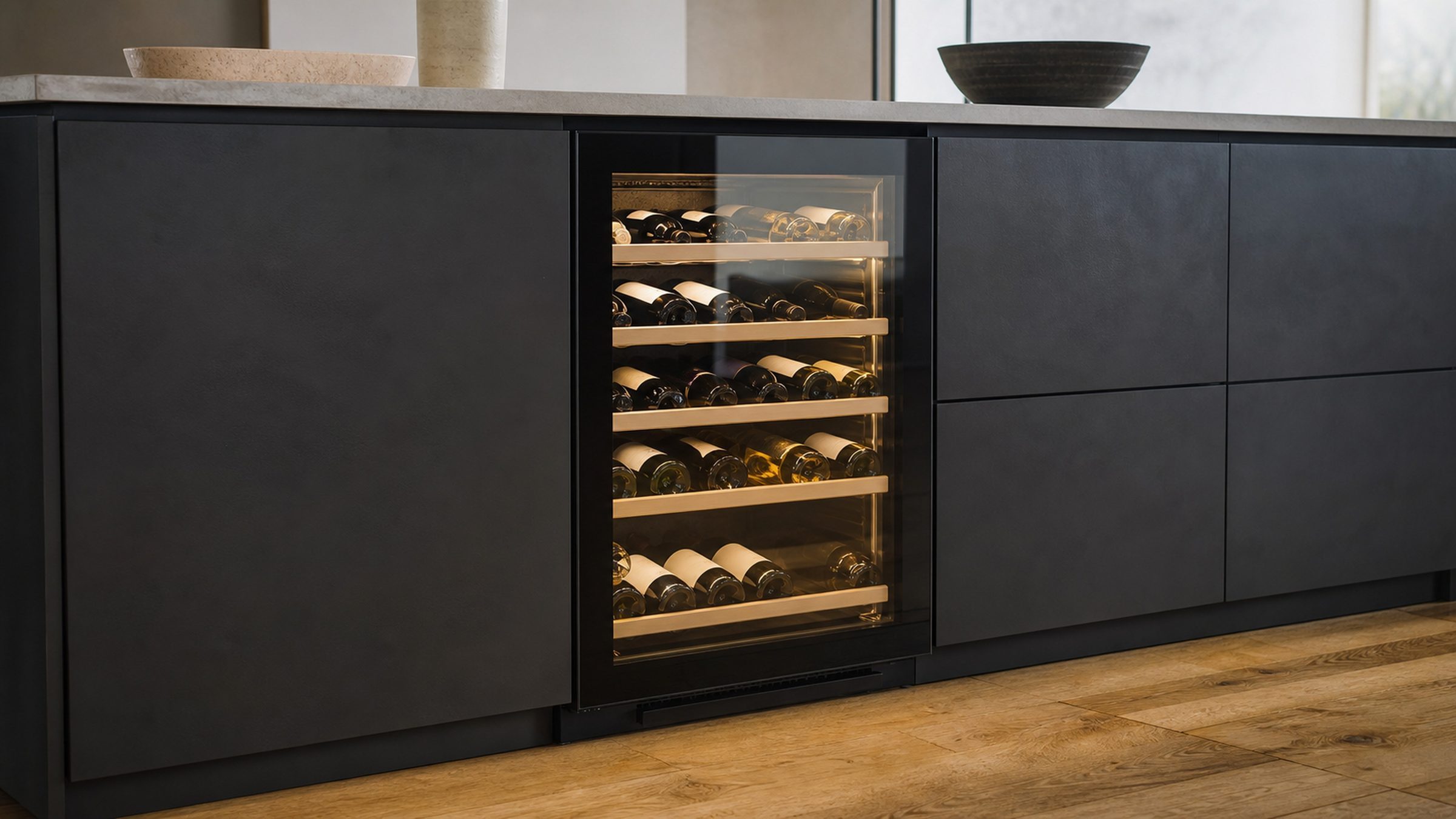
KitchenAid wine cellars and beverage centers
Small cabinets with an expensive job. A wine cellar holds a narrow band of temperature behind a glass door, in a climate that is working against it and often in a cabinet with very little air. When one drifts, what is inside it is usually worth more than the repair.
- 2 symptoms we are called out to
- From $95 diagnostic, credited to the repair
- 59 cities and neighborhoods covered
- OEM parts available on order
The short version
What this equipment is, for a repair
Configurations
Undercounter 15" and 24" · Wine cellars · Beverage centers · Panel-ready · Glass door
Access
Planned before the visit, not discovered on arrival
Parts
OEM, available on order
Diagnostic
From $95, credited to the repair
What goes wrong with it
Symptoms we are called out to on KitchenAid wine cellars and beverage centers
Each one covers the likely causes in the order they are worth checking, and what to do in five minutes before booking anything.
-
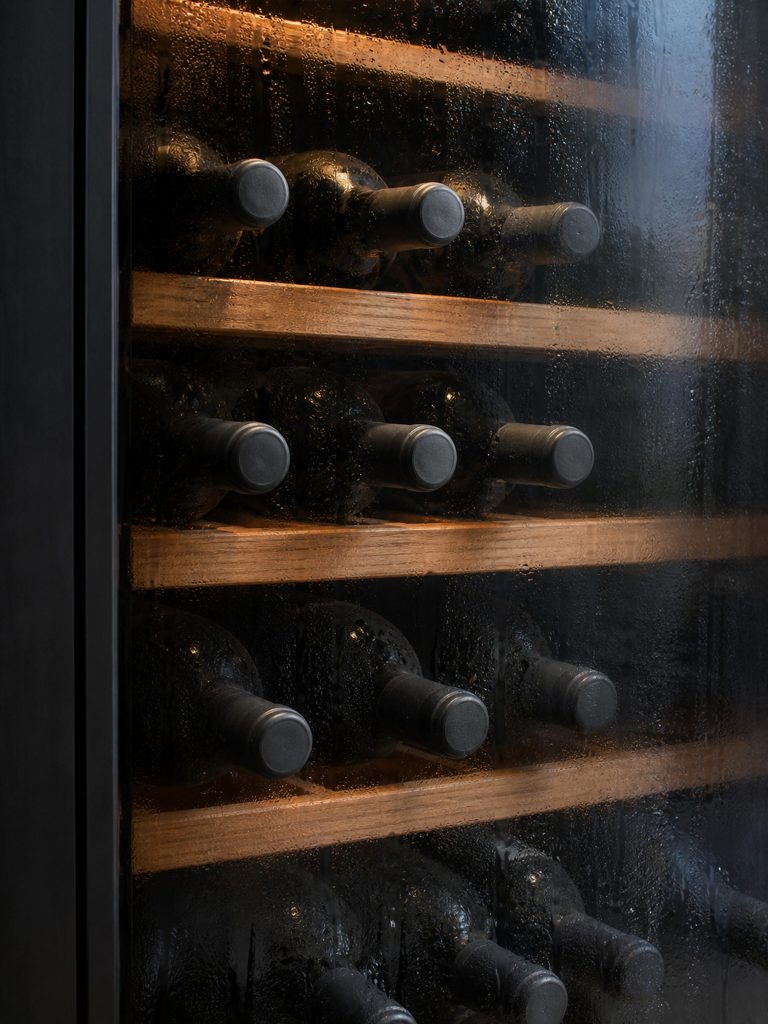
Drifting, or one zone wrong Wine cellar not holding temperature
A small cabinet with an expensive job, usually installed somewhere with very little air. Most of the wine cabinets we are called to in South Florida are not failing so much as losing an argument with where they were fitted.
- One zone right and the other drifting
- Reads correctly on the display and feels wrong inside
- Worse in the afternoon, better overnight
-
What a reset can and cannot do How to reset it
One of the most searched things about this whole make, and one of the most misunderstood. There is no reset button on most of these appliances — what there is is a power cycle, and a set of feature resets that do very specific jobs.
- Looking for a reset button that does not exist
- A filter light that will not go out
- A machine that needs restarting after a storm
What we do on it
Repairs we carry out on KitchenAid wine cellars and beverage centers
Starting figures for this equipment in South Florida. The exact cost is confirmed after an on-site diagnostic — and this is not the whole list of what can go wrong, so call if your problem is not here.
-
from $95 Diagnostic visit
We read what the appliance is reporting — a code on a display, or the flashes on a dishwasher Clean light — then measure before saying anything about the repair. The fee is credited toward the work when you go ahead.
- The code read on site, including blink codes
- Measured rather than guessed
- Credited toward the repair
-
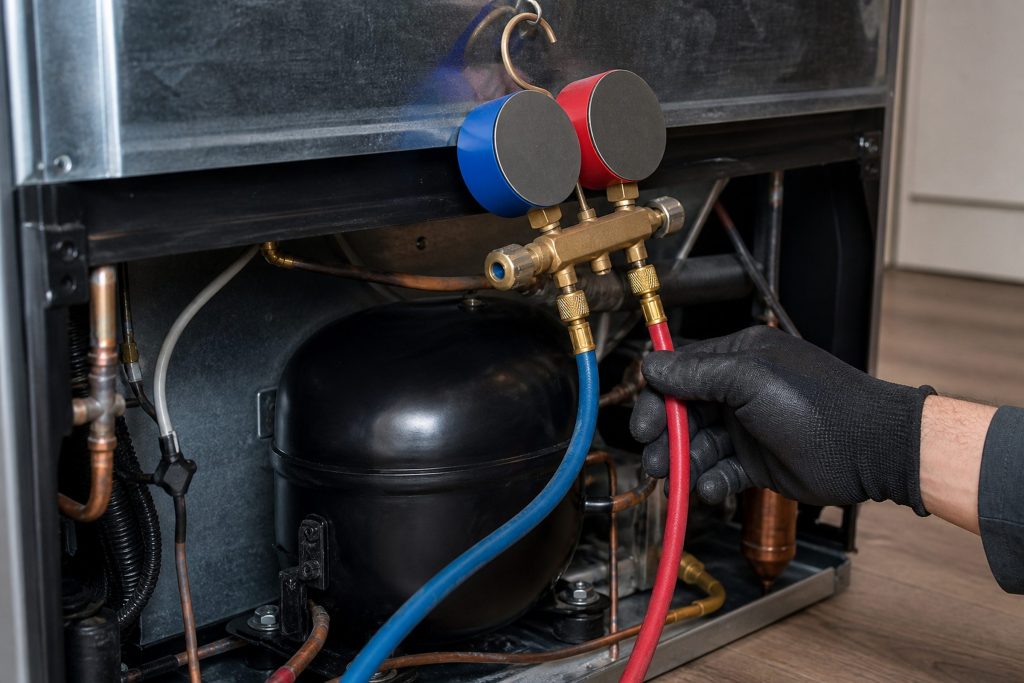
from $650 Sealed system & compressor repair
Refrigerant circuit work — the biggest repair on any cold appliance, and the one where the diagnosis matters more than the part. Everything cheaper is ruled out first, and if the job is not worth doing you will hear that on the visit.
- Everything cheaper ruled out before a circuit is opened
- Leak located and the drier replaced, not just a recharge
- Held at set point under load before we leave
-
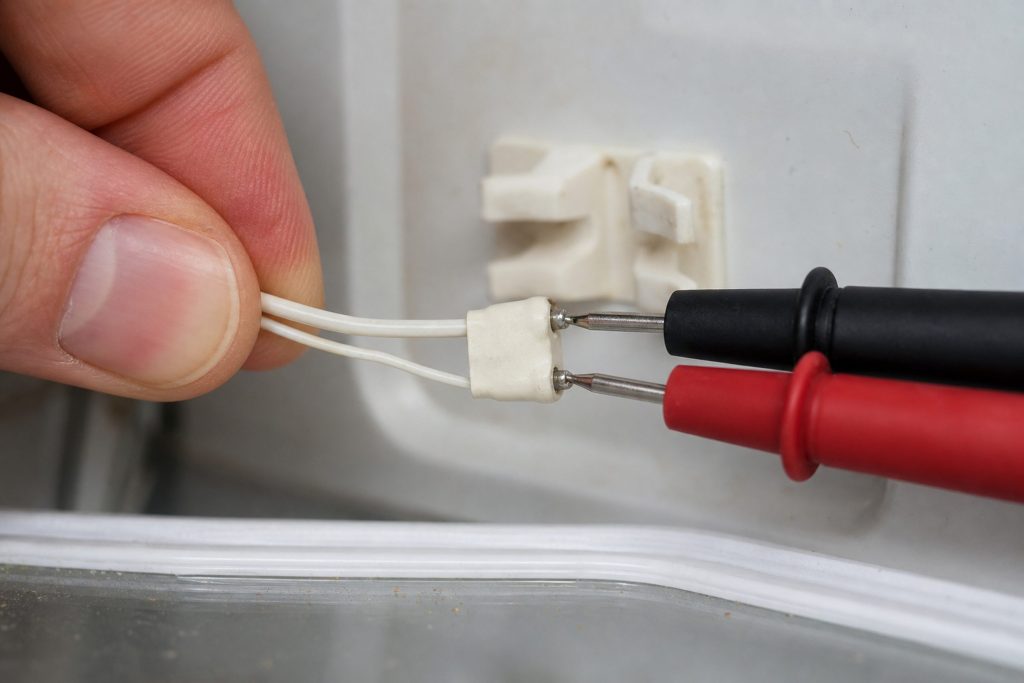
from $225 Refrigeration control & sensor repair
A cabinet that reads right and behaves wrong, one zone warm while the other is perfect, or a panel that has not been the same since the power came back. This is the electronics rather than the cooling.
- Thermistors read against their own curve, not by feel
- Power-outage notices and resets cleared properly first
- Board and panel proved separately before either is ordered
-
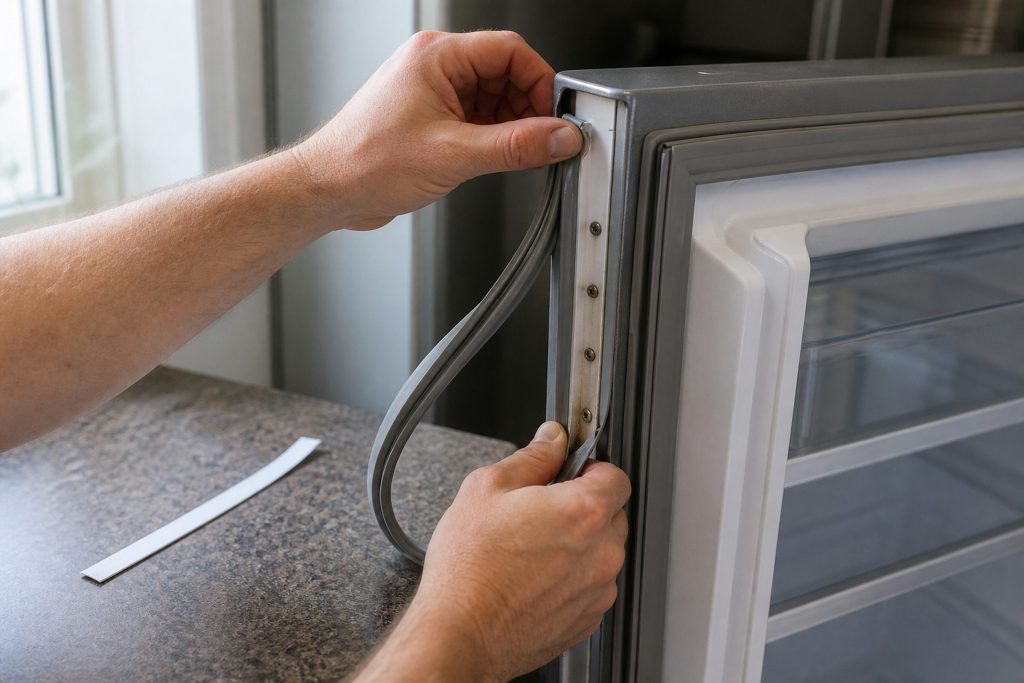
from $155 Door, gasket & alignment repair
A door that does not close square, a seal gone hard, a drawer that no longer runs true, or condensation on the inside of a glass wine cabinet door. The cheapest work on a cold appliance and the thing most often left too long.
- Seals replaced along the whole run and set, not patched
- Hinges, panels and drawer rails aligned with the doors on
- Condensation diagnosed before a gasket is blamed for it
-
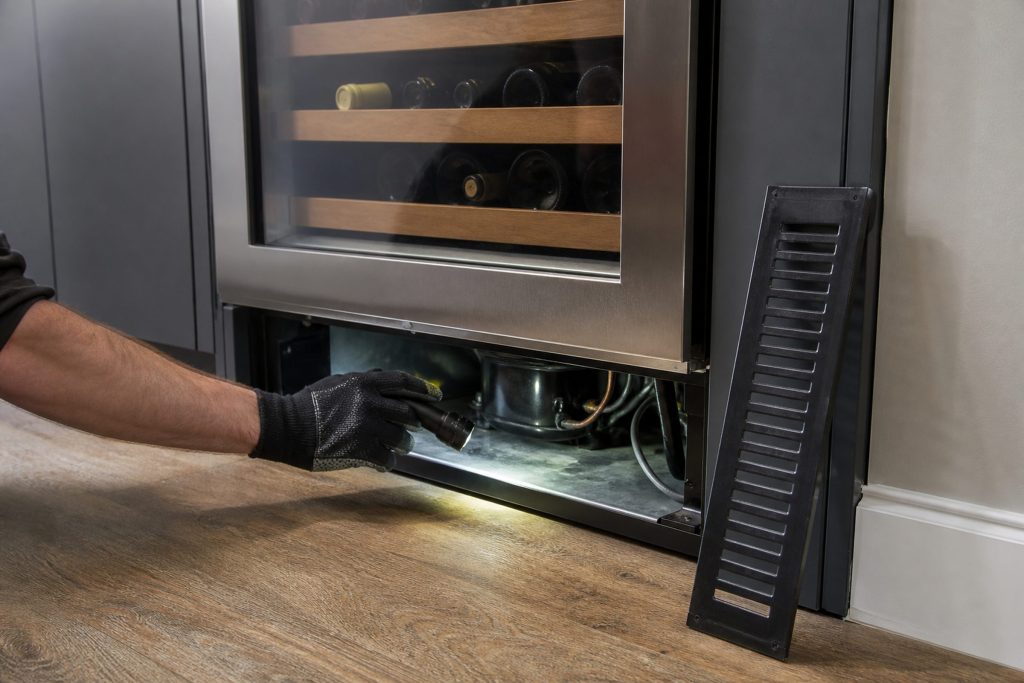
from $235 Wine cellar cooling & airflow repair
A small cabinet with an expensive job, usually installed somewhere that makes it harder. Most of the wine cabinets we are called to in South Florida are not failing so much as losing an argument with where they were fitted.
- Toe-kick airflow and installation checked before any part
- Condenser, fan and zone airflow proved separately
- Never-worked and stopped-working treated as different questions
-
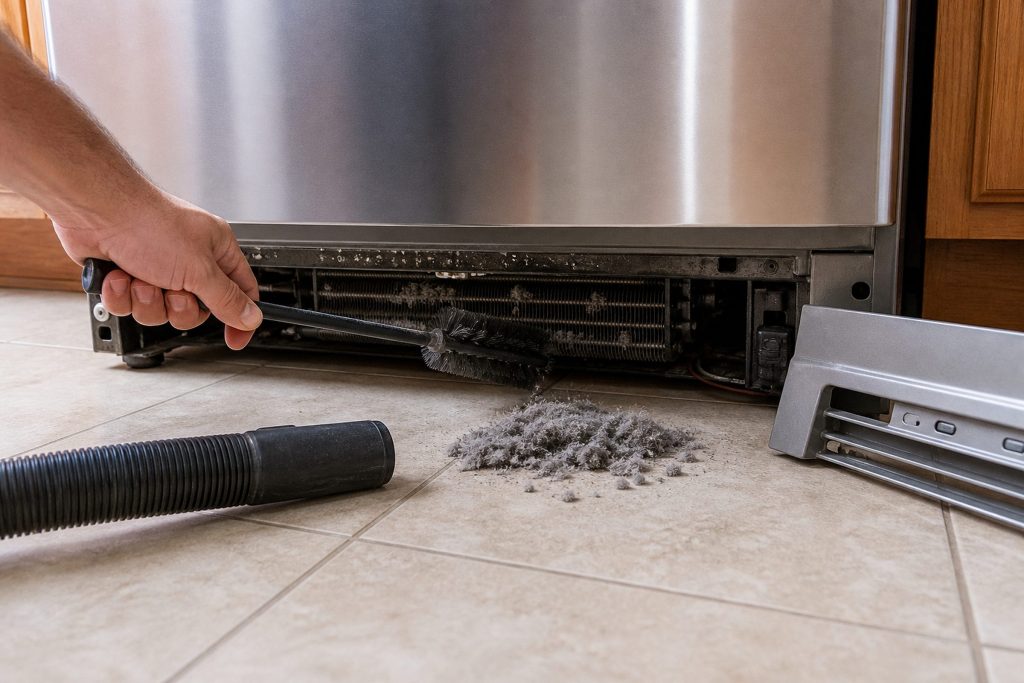
from $165 Appliance maintenance
A planned visit rather than an emergency one: filters, drains, coils, seals and ducts on whichever appliances you want looked at, in one appointment. Most of the expensive repairs on this list are prevented by an hour spent on this.
- Several appliances in one visit rather than one call each
- Filters, drains, coils, seals and ducts
- A written note of anything worth watching
-
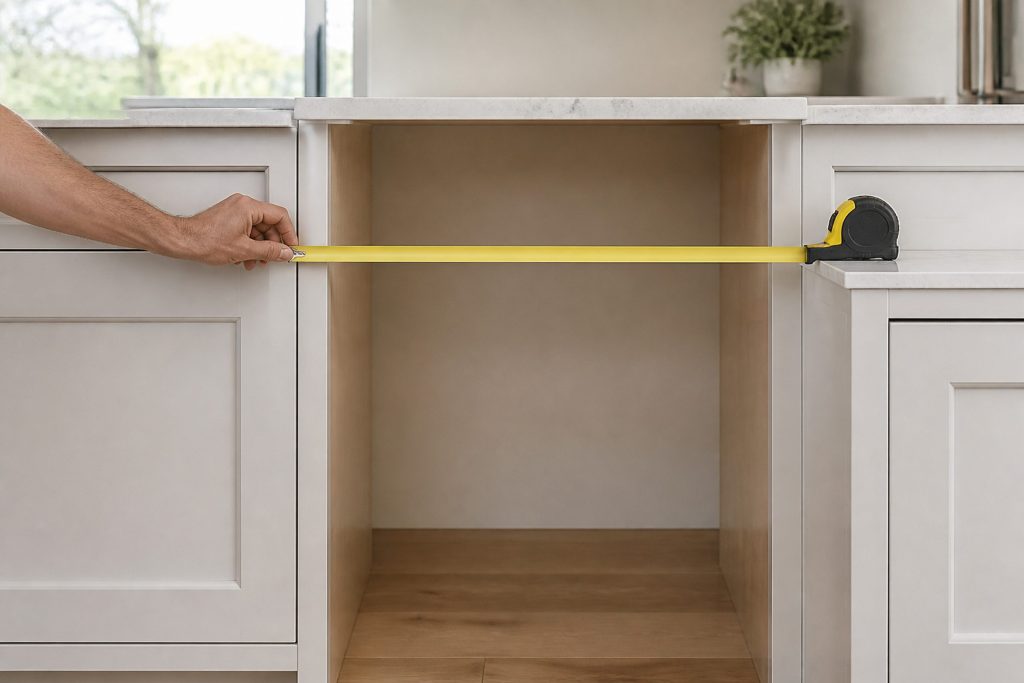
from $185 Appliance installation
Fitting a replacement into an opening that was built for something else — levelling, water, drainage, ventilation and the panel front. Most of what goes wrong in the first year of a new appliance is decided on the day it goes in.
- Levelled, sealed and connected, not just pushed into the gap
- Water, drain and ventilation checked rather than assumed
- The old appliance disconnected safely
In more detail
About KitchenAid wine cellars and beverage centers
What this make builds
Undercounter wine cellars and beverage centers at 15 and 24 inches, in stainless or panel-ready to take your own door front, with glass doors and single or dual zones. They sit in islands, in bar runs and under terraces — which is the part that matters most for how they behave.
What actually goes wrong
- Airflow at the toe kick. The first thing to look at, and the one most often designed out by a cabinetmaker.
- The condenser and its fan, in a cabinet that is already tight for air.
- Thermistors and the control, which is what a cabinet that reads right and behaves wrong comes down to.
- The door: seal, hinge and alignment, all of which matter more on a glass door than on an insulated one.
- The sealed system, last and least often, and worth reaching by elimination on a cabinet this size.
Heat, and where these get installed
An outdoor kitchen on a covered terrace in July is a hard place to be a small refrigeration unit. So is a sealed island cabinet. Most of the wine cabinets we are called to in South Florida are not failing so much as losing an argument with where they were fitted, and that is worth knowing before parts are ordered.
What to have ready when you call
The model number, whether it is one zone or two, which zone is wrong, and whether the cabinet is indoors, in a garage or outside under cover.
This article is based on:
- Official manufacturer documentation
- Internal repair procedures
- Technician repair history
- Company quality standards

Before you book
Questions about KitchenAid wine cellars and beverage centers
What is the difference between a wine cellar and a beverage center?
The temperature range and the shelving. A wine cellar holds a cellar band and is racked for bottles lying down; a beverage center runs colder, for cans and mixers, and has flat shelves. They are built on the same platform and repaired the same way, but a beverage center asked to hold wine temperature is being asked the wrong question, and vice versa.
One zone is right and the other is warm.
On a two-zone cabinet that is genuinely useful information: it points at the damper, the fan or the sensor for that zone rather than at the cooling system, because a failed compressor takes both zones with it. Say which zone when you book.
It is under my counter and it has never really been cold enough.
Then look at the air before the appliance. These cabinets breathe through the toe kick, and a unit fitted into a cabinet with the grille blocked, or with a solid panel across the front, will run permanently and still lose. Never-worked and stopped-working are two different investigations.
There is condensation inside the glass.
Usually the door seal or a door that is not quite closing on a full rack, and in August it can be nothing more than the humidity in the room. A cabinet in a garage or on a covered terrace sees far more of this than one indoors. If it persists with a good seal, the anti-condensation heater in the door frame is worth checking.
Where we do it
Across Miami-Dade, Broward, and Palm Beach
Same terms everywhere we go: an on-site diagnostic first, the price agreed in writing, and the exact figure confirmed once we have seen the unit.
Neighborhoods people ask for by name