Appliance
KitchenAid washing machines
Worth saying in the first line: KitchenAid does not sell washing machines in the United States any more. There is no laundry section in its own catalog and no laundry family in its own support base. The machines are still in South Florida homes and garages, people still search for them by name, and we still repair them — this page is about a machine that is no longer made.
- 4 symptoms we are called out to
- From $95 diagnostic, credited to the repair
- 59 cities and neighborhoods covered
- OEM parts available on order
The short version
What this equipment is, for a repair
Configurations
Superba · Ensemble front-load · Top-load · No longer manufactured · Still repaired
Access
Planned before the visit, not discovered on arrival
Parts
OEM, available on order
Diagnostic
From $95, credited to the repair
What goes wrong with it
Symptoms we are called out to on KitchenAid washing machines
Each one covers the likely causes in the order they are worth checking, and what to do in five minutes before booking anything.
-
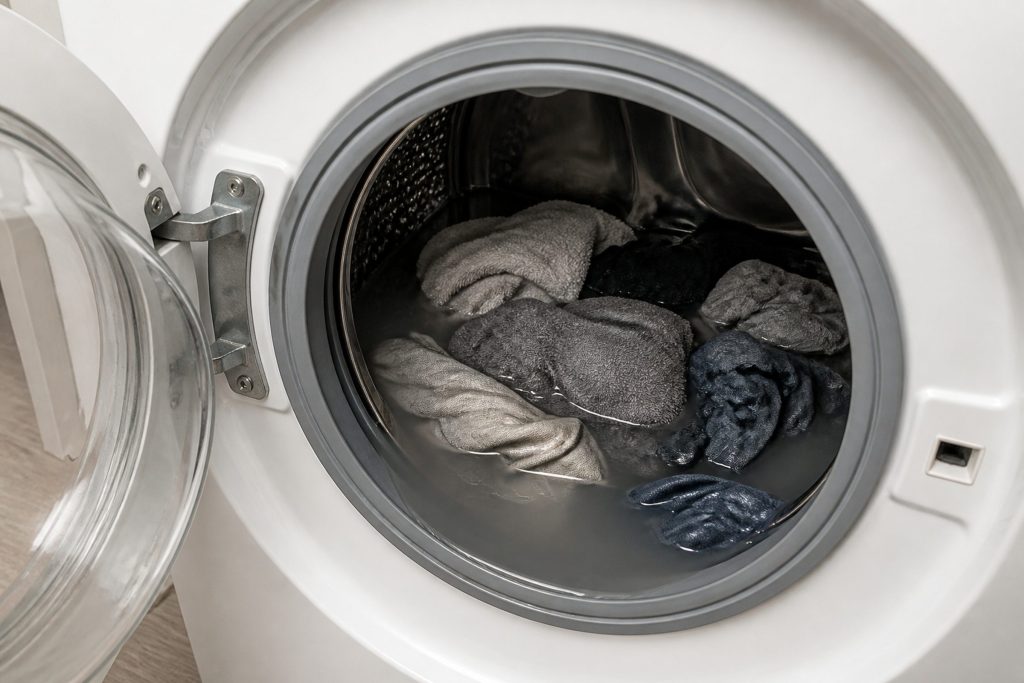
A tub full of water The washer will not spin or drain
Worth saying in the first line, as the appliance page does: KitchenAid no longer sells washing machines in the United States. The ones here still work, they still break, and this is the most common call on them.
- The cycle ends with the tub full
- Clothes soaking wet at the end of the spin
- It drains but never spins
-
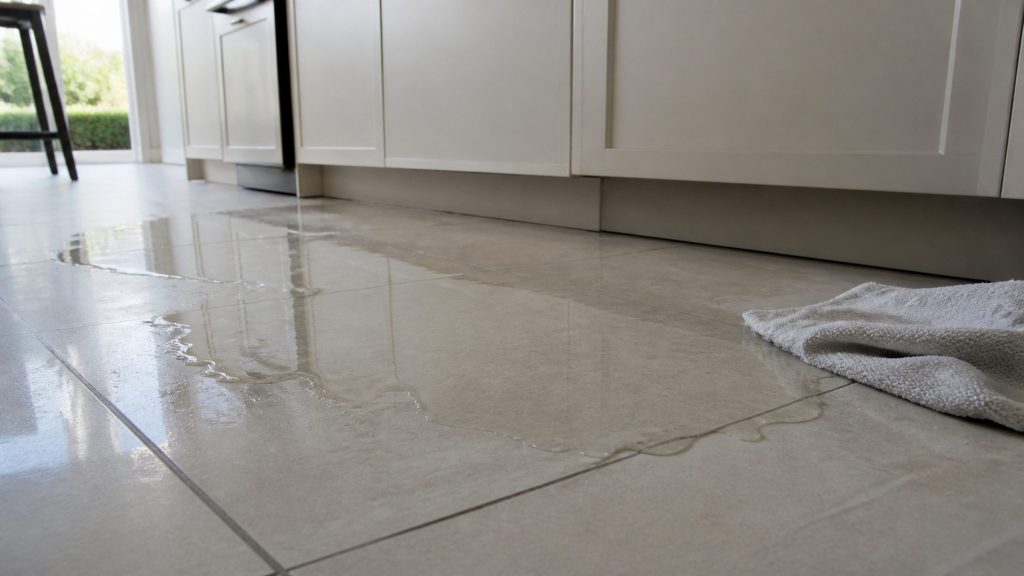
Find the source before the puddle There is water on the floor
Water on a kitchen floor is the one symptom worth acting on the same day, because what it damages is rarely the appliance. A puddle also travels, so where it appears is often nowhere near where it started.
- Water at the front of the dishwasher door
- A puddle under the refrigerator, appearing overnight
- Water inside the cabinet rather than under it
-
Nothing else has changed It has started making a new noise
A new sound is a real signal rather than a nuisance, and it is usually the earliest warning you get. Caught while it is only a noise, most of the causes on this page are small; left until it stops, several of them are not.
- A hum or a buzz that was not there before
- A squeal that comes and goes
- A clicking every few minutes with nothing else wrong
-
No lights, no response The appliance will not turn on at all
Nothing at all is a different problem from a machine that starts and stops, and it has a much shorter list behind it. More than half of that list is outside the appliance, which is why it is worth ten minutes before it is worth a visit.
- A completely dark panel
- It worked yesterday and is dead this morning
- It came back once and then went again
What we do on it
Repairs we carry out on KitchenAid washing machines
Starting figures for this equipment in South Florida. The exact cost is confirmed after an on-site diagnostic — and this is not the whole list of what can go wrong, so call if your problem is not here.
-
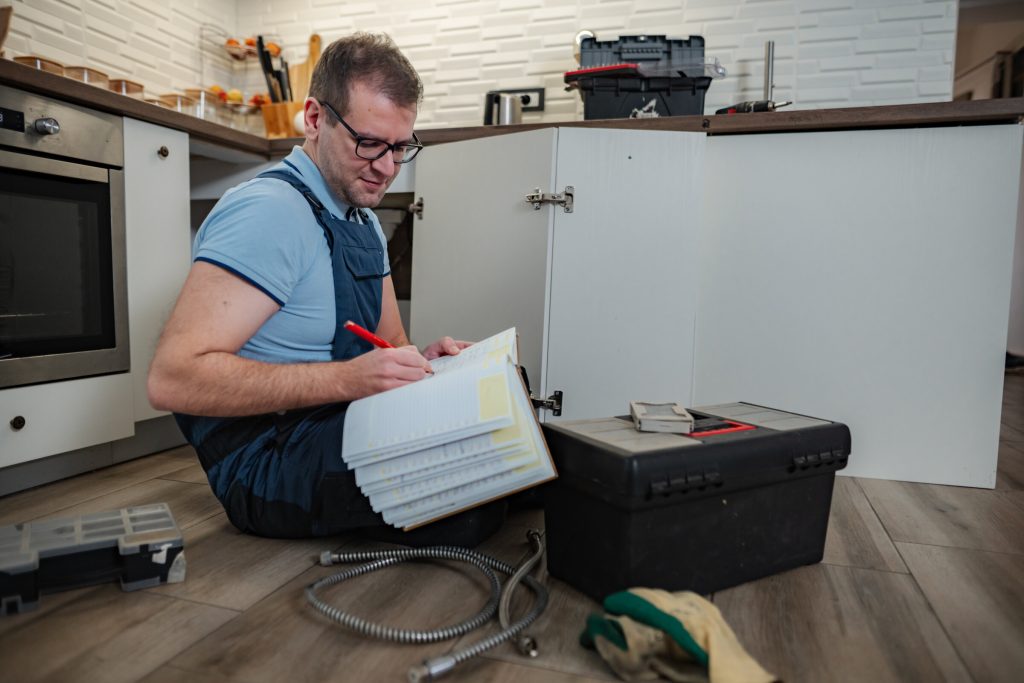
from $95 Diagnostic visit
We read what the appliance is reporting — a code on a display, or the flashes on a dishwasher Clean light — then measure before saying anything about the repair. The fee is credited toward the work when you go ahead.
- The code read on site, including blink codes
- Measured rather than guessed
- Credited toward the repair
-
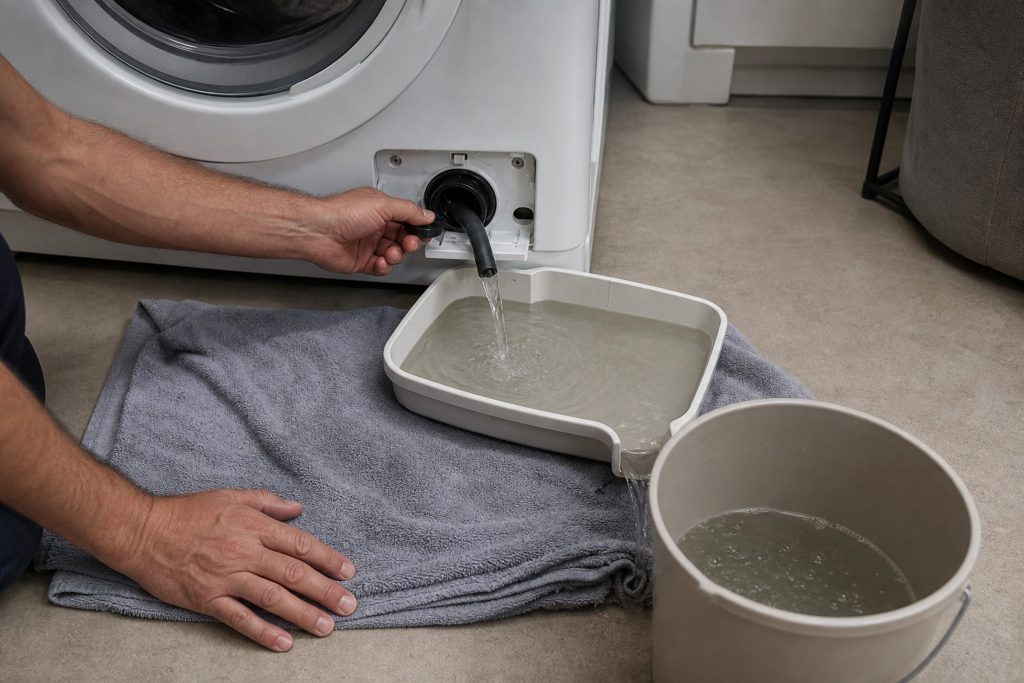
from $185 Washing machine drain & pump repair
A machine that fills, washes and then sits there full. On laundry this maker stopped building in the second half of the 2000s, it is also the repair most worth doing — a pump is a normal thing to have replaced once on a machine of this age.
- Drain path worked from the filter outward to the standpipe
- Pump tested under load, not by continuity
- Parts availability checked before anything is promised
-
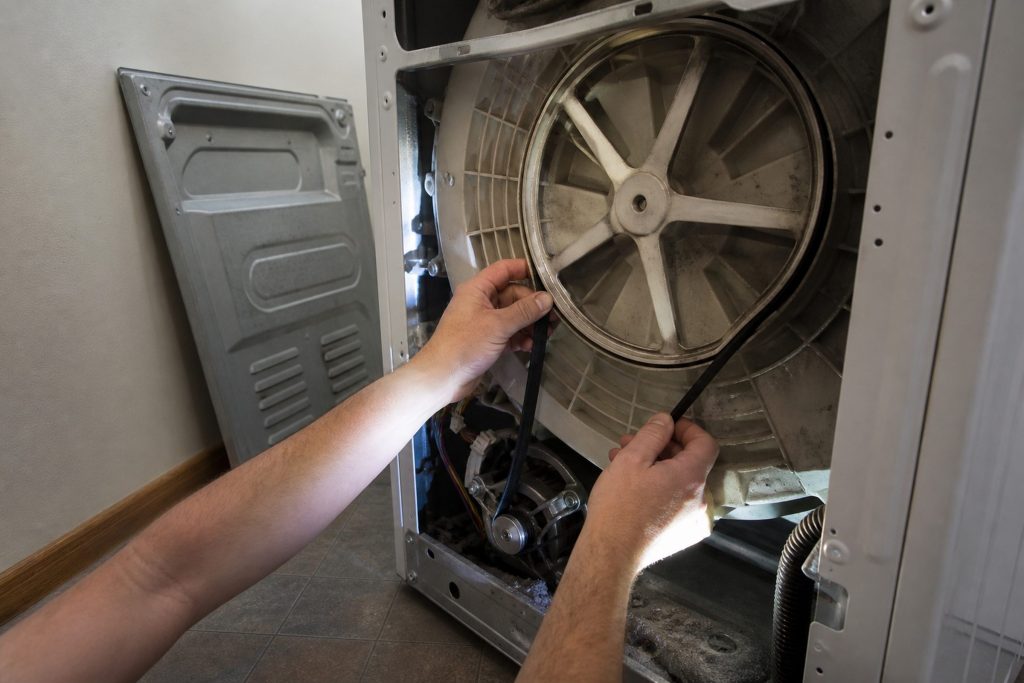
from $265 Washing machine drive & spin repair
A drum that fills and will not turn, a machine that washes and will not spin, or noise on the spin that has been getting worse for months. On a legacy machine this is the repair where age genuinely matters to the decision.
- Lid switch and door lock ruled out before any drive part
- Belt, coupler and motor tested in order of cost
- Honest advice on bearings, said before the work
-
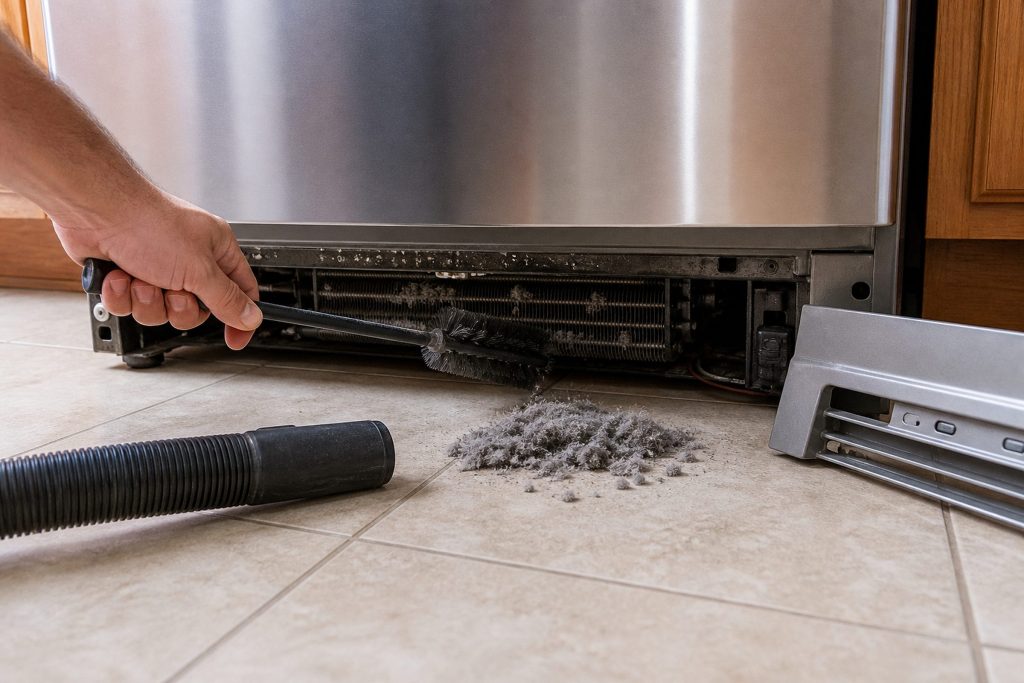
from $165 Appliance maintenance
A planned visit rather than an emergency one: filters, drains, coils, seals and ducts on whichever appliances you want looked at, in one appointment. Most of the expensive repairs on this list are prevented by an hour spent on this.
- Several appliances in one visit rather than one call each
- Filters, drains, coils, seals and ducts
- A written note of anything worth watching
-
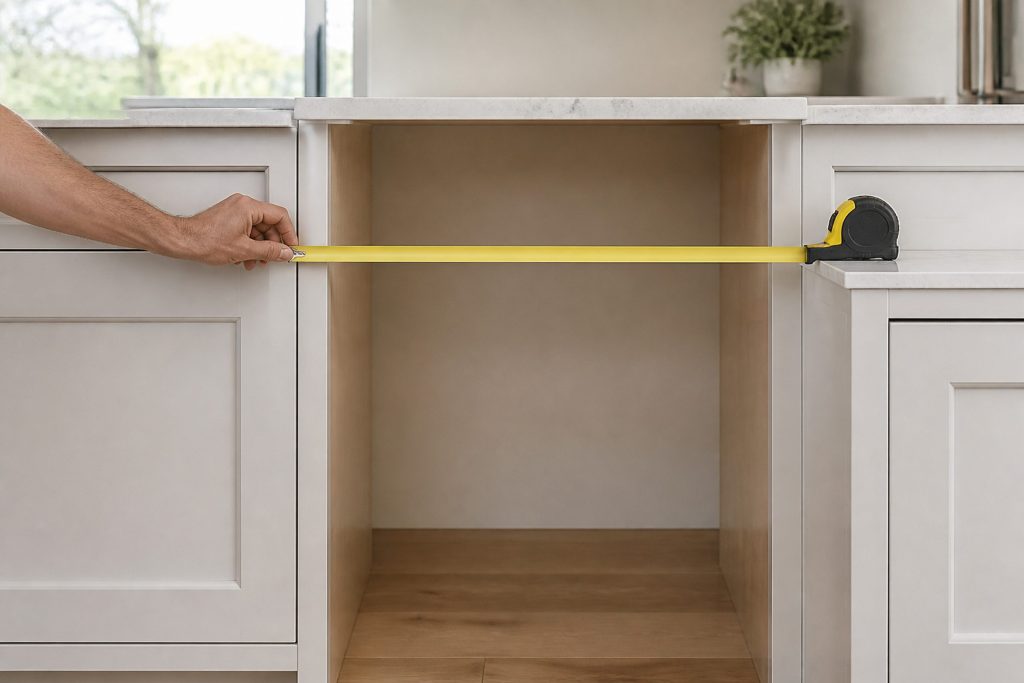
from $185 Appliance installation
Fitting a replacement into an opening that was built for something else — leveling, water, drainage, ventilation and the panel front. Most of what goes wrong in the first year of a new appliance is decided on the day it goes in.
- Leveled, sealed and connected, not just pushed into the gap
- Water, drain and ventilation checked rather than assumed
- The old appliance disconnected safely
In more detail
About KitchenAid washing machines
What is actually in South Florida homes
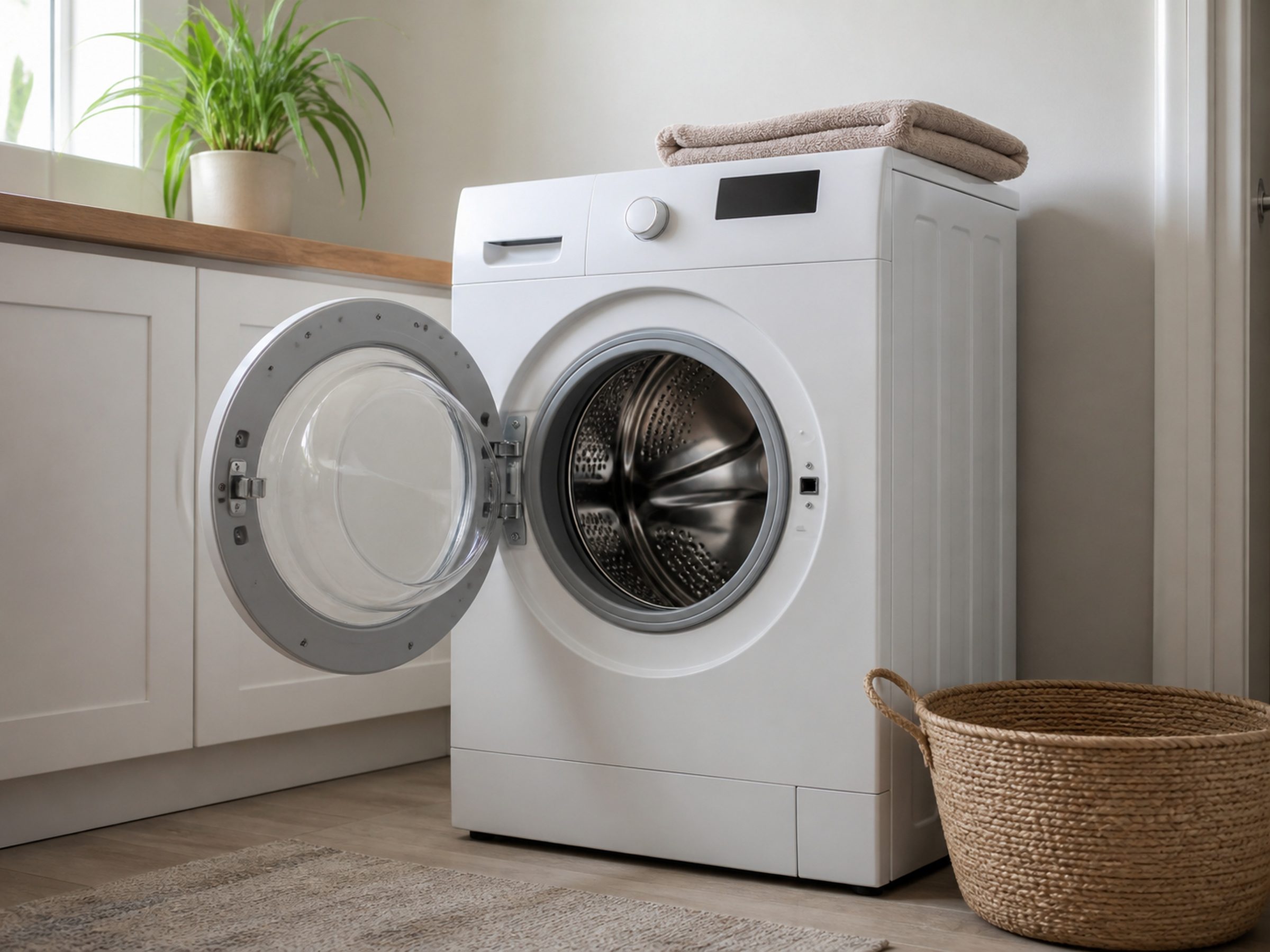
Top-loading machines and the front-loading Ensemble pairs, in laundry rooms, closets and garages across the three counties. The name people give us most often on the phone is Superba. None of them are current products, all of them are repairable, and the model number on the plate is what decides the parts.
What actually goes wrong
- The drain path — hose, trap, pump. The most common call on a machine of this age.
- The lid switch or door lock, without which the machine will not spin and often will not start.
- Belts and couplers on the older top-loaders, which is the fills-but-does-not-agitate complaint.
- Bearings and the tub seal, announced by noise on the spin months in advance, and the repair where age matters most to the decision.
- The timer or control board, and the water inlet valve.
Garages, closets and standing water
Most of these machines in this market are in a garage or a closet rather than a laundry room, and both change the appointment. A closet with no gap around the machine holds heat and humidity against it. And a machine that has ever stood in water after a storm deserves telling us about before it is switched on again — that is a real safety question and not a formality.
What to have ready when you call
The full model number from inside the lid or the door frame, whether it is a top-loader or a front-loader, and whether there is water in it right now.
This article is based on:
- Official manufacturer documentation
- Internal repair procedures
- Technician repair history
- Company quality standards

Before you book
Questions about KitchenAid washing machines
KitchenAid still makes washers, doesn't it?
Not in the United States. Its own site has no laundry category, its own Product Help base has no laundry family at all, and searching the store for "washer" returns plumbing parts. That is not a reason to replace yours — plenty of these machines are still working — but it does change two practical things: parts availability, and who to trust about your model.
Can parts still be found?
For most of what fails, yes. These machines share their platforms with other badges from the same corporate group, so pumps, lid switches, belts, valves and control boards are frequently still available even when the KitchenAid part number is gone. What is genuinely hard to find is cosmetic — panels, consoles, trim. We will tell you which side of that line your repair sits on before ordering anything.
Mine is a Superba. Does the name mean anything for the repair?
It tells us roughly how old the machine is and which platform to expect, which helps. What it will not do is get you a manual on the manufacturer's current site, because the name returns nothing there now. The full model number from inside the lid or door frame is what actually settles it.
It fills, washes, and then just sits there full.
That is the drain, and in that order: the filter or coin trap if the machine has one, the drain hose and where it goes into the standpipe, the pump, and then the control that runs it. On a machine of this age a pump is a normal thing to have replaced once.
Is it worth repairing something this old?
Sometimes genuinely yes, and we will say when it is not. A pump, a lid switch or a valve on an otherwise sound machine is a sensible repair. A transmission, a bearing or a board on a machine of this age usually is not, and that is the conversation to have before parts are ordered rather than after.
Where we do it
Across Miami-Dade, Broward, and Palm Beach
Same terms everywhere we go: an on-site diagnostic first, the price agreed in writing, and the exact figure confirmed once we have seen the unit.
Neighborhoods people ask for by name