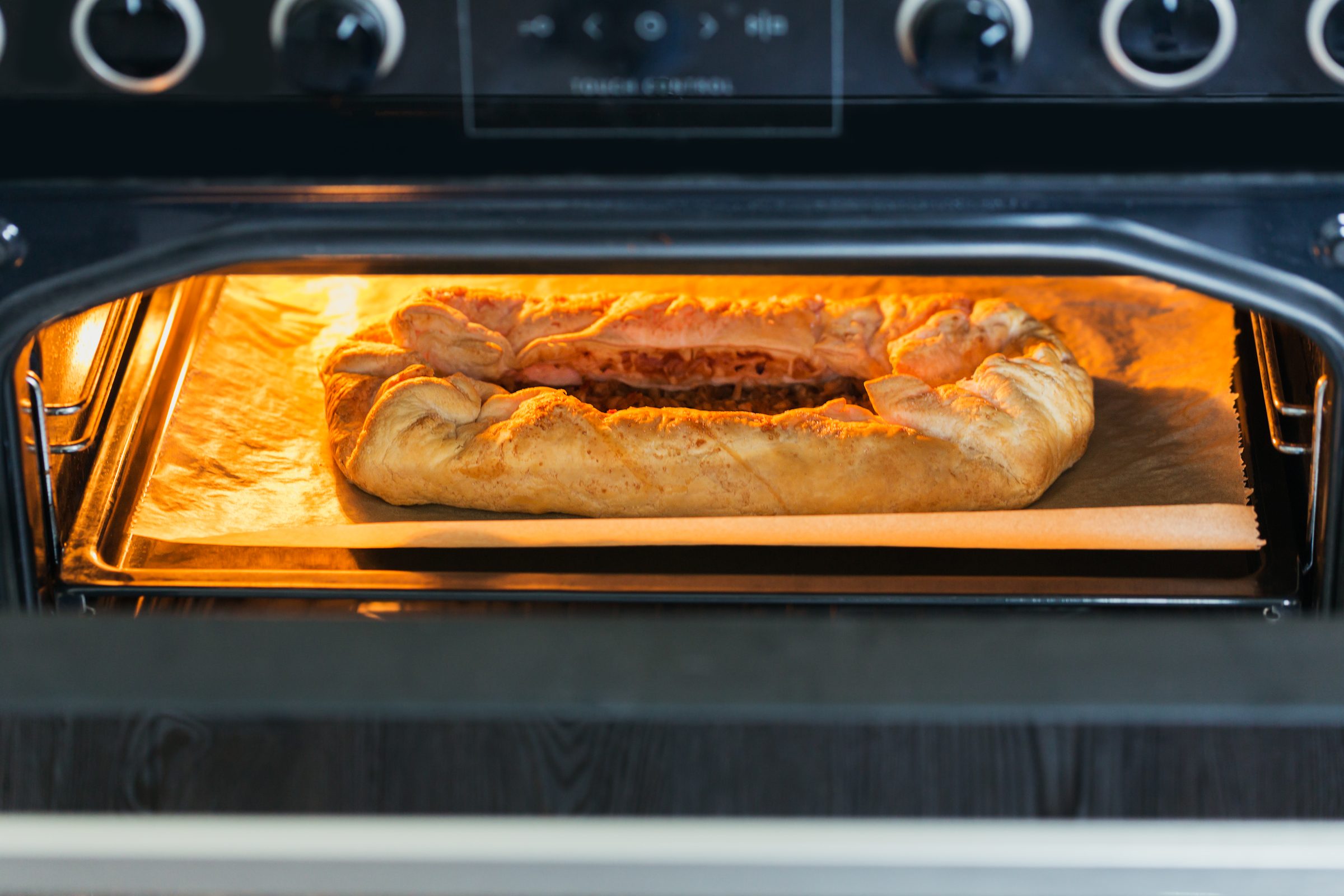
Appliance
KitchenAid wall ovens
Built into a tall housing, surrounded by cabinetry, and heavy. A wall oven is the appliance where the access is a real part of the job — and the combination units, with a microwave above the oven, are two appliances in one opening that report separately and fail separately.
- 9 symptoms we are called out to
- From $95 diagnostic, credited to the repair
- 59 cities and neighborhoods covered
- OEM parts available on order
The short version
What this equipment is, for a repair
Configurations
Single · Double · Combination microwave-oven · 24", 27", 30" · True Convection · Self-clean
Access
Planned before the visit, not discovered on arrival
Parts
OEM, available on order
Diagnostic
From $95, credited to the repair
What goes wrong with it
Symptoms we are called out to on KitchenAid wall ovens
Each one covers the likely causes in the order they are worth checking, and what to do in five minutes before booking anything.
-
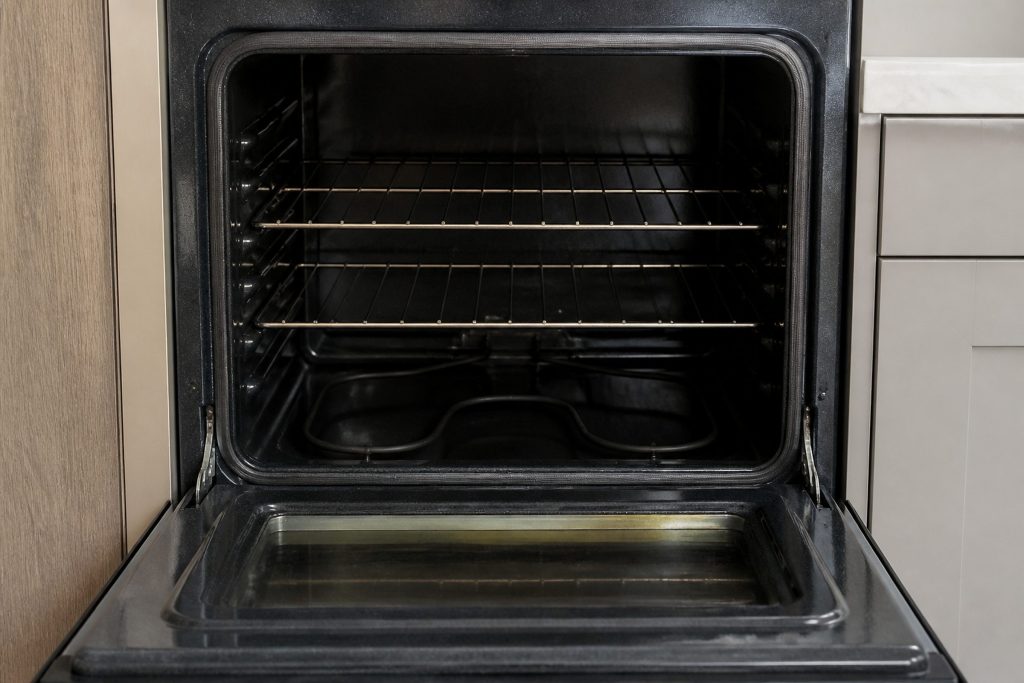
Panel lights, cavity cold The oven will not heat
A control panel that works normally and a cavity that stays cold. On electric ovens this is a short list of two or three parts; on a gas cavity it is a different short list, and knowing which you have halves the diagnosis.
- It preheats forever and never gets there
- The broiler works and the bake does not
- It heats sometimes and not others
-
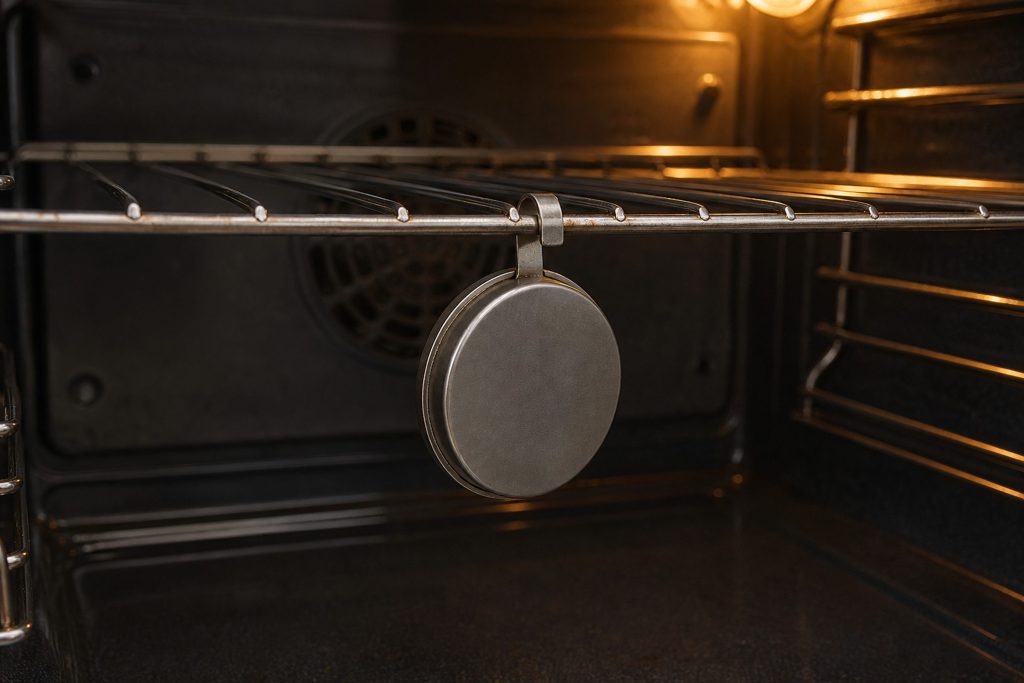
Everything bakes badly The oven runs hot, cold, or will not hold
An oven that heats but not to the number on the display. Cakes that sink, cookies that burn on one tray and not the next, a machine that will not go past a certain temperature at all. This is measurement rather than heat.
- It will not go past a certain temperature
- Everything browns on one side
- Recipes that used to work no longer do
-
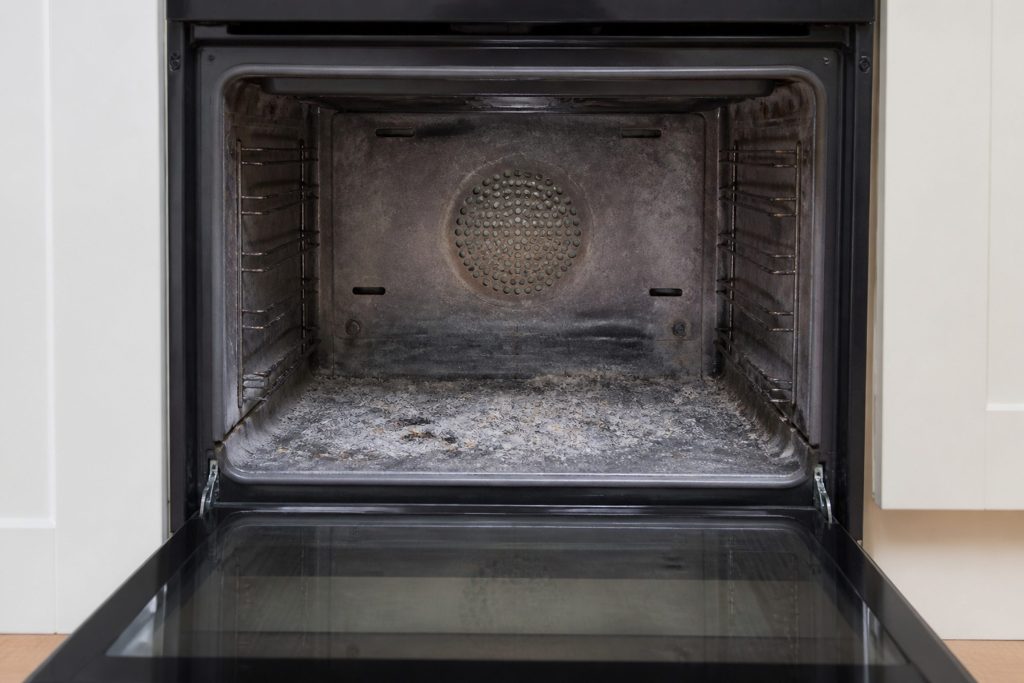
Or the door is still locked The oven stopped working after a self-clean
A specific and very common call: the self-clean cycle finished, and now the oven does not heat, or the door will not unlock, or both. Self-clean is the hottest thing this appliance ever does, and it finds anything marginal.
- Dead oven the moment the clean cycle ended
- The door still locked hours later
- It blew the same part once before
-
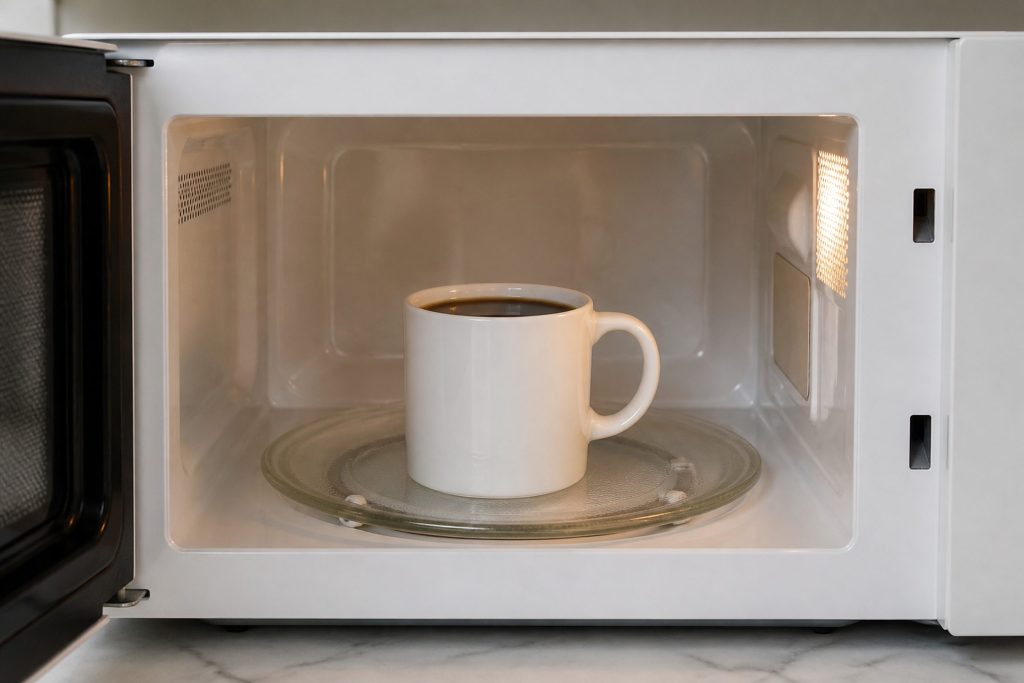
Never an owner repair The microwave runs but nothing gets hot
The turntable turns, the light is on, the fan runs, the timer counts down, and the food comes out cold. It is a clear symptom with a clear meaning, and it is the one appliance on this site we ask you not to open.
- Everything runs and the food stays cold
- A loud hum that was not there before
- It heats weakly, and worse each week
-
Or says to close the door The microwave will not start
A machine that lights up and refuses to run, or one that insists the door is open when it plainly is not. This is nearly always the door interlocks, and there is a reason the appliance is so uncompromising about them.
- A message asking you to open and close the door
- You press start and nothing happens
- The turntable turns and the timer does not count
-
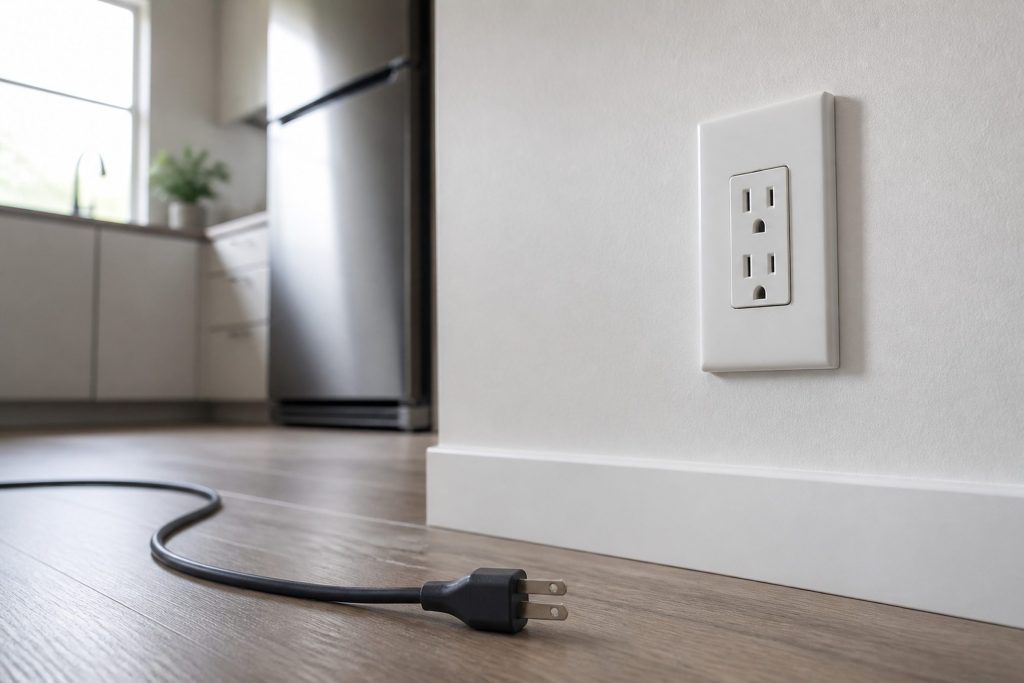
No lights, no response The appliance will not turn on at all
Nothing at all is a different problem from a machine that starts and stops, and it has a much shorter list behind it. More than half of that list is outside the appliance, which is why it is worth ten minutes before it is worth a visit.
- A completely dark panel
- It worked yesterday and is dead this morning
- It came back once and then went again
What we do on it
Repairs we carry out on KitchenAid wall ovens
Starting figures for this equipment in South Florida. The exact cost is confirmed after an on-site diagnostic — and this is not the whole list of what can go wrong, so call if your problem is not here.
-
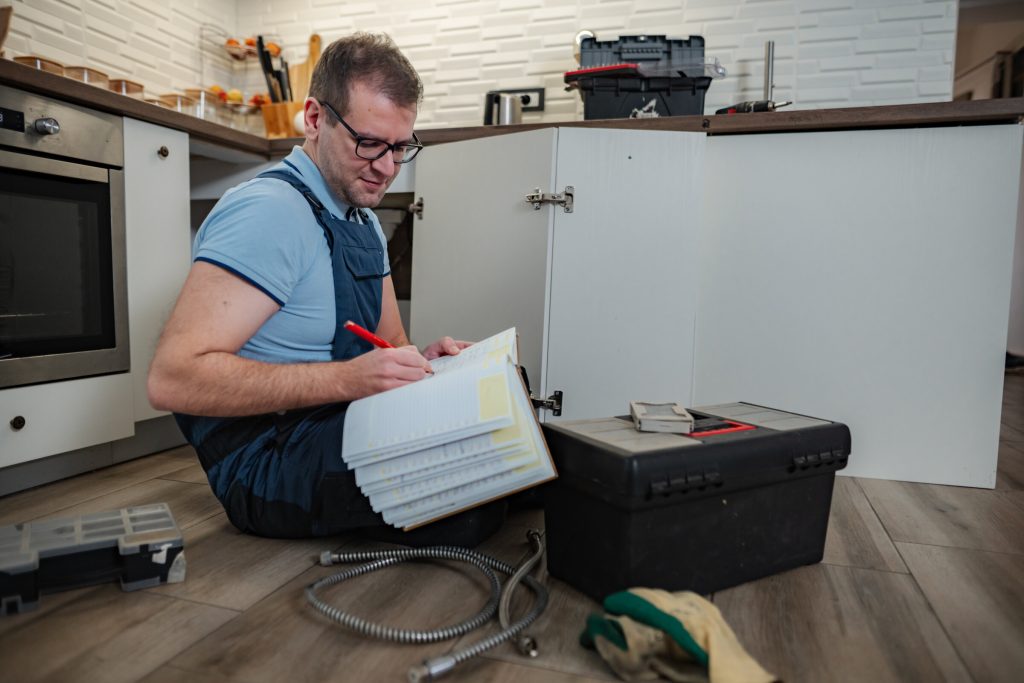
from $95 Diagnostic visit
We read what the appliance is reporting — a code on a display, or the flashes on a dishwasher Clean light — then measure before saying anything about the repair. The fee is credited toward the work when you go ahead.
- The code read on site, including blink codes
- Measured rather than guessed
- Credited toward the repair
-
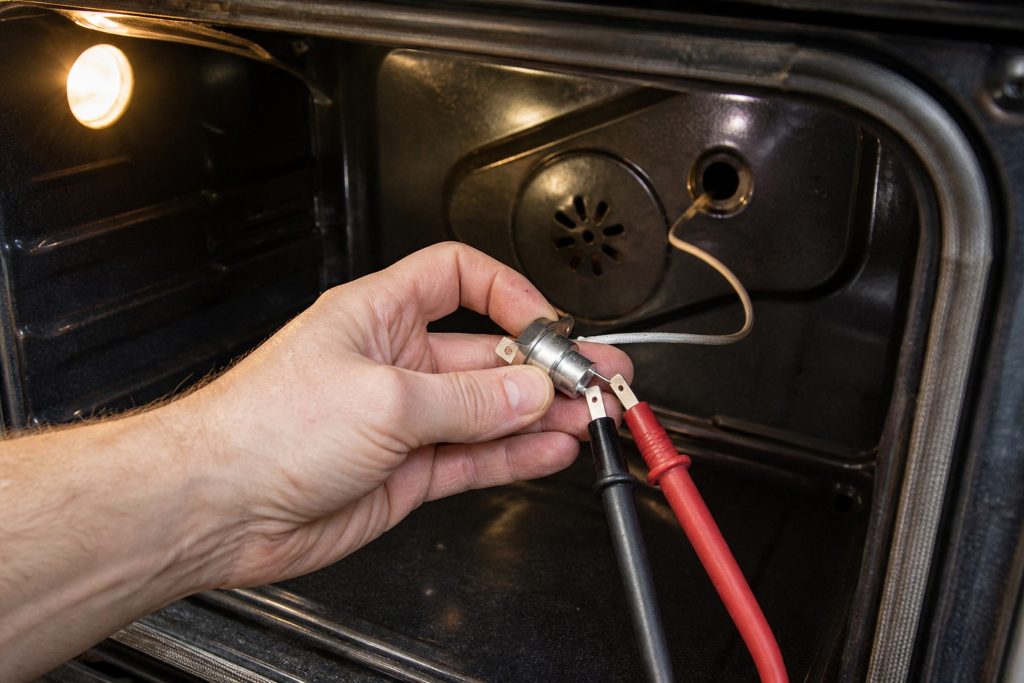
from $195 Oven heat & sensor repair
An oven that will not heat, one that preheats forever and never arrives, or one that runs thirty degrees away from what you set. Three different repairs that feel identical standing in the kitchen, and they are told apart by measuring.
- Temperature measured at the shelf over a full cycle
- Sensor read as a resistance, elements tested under load
- Convection element and fan checked with the bake circuit
-
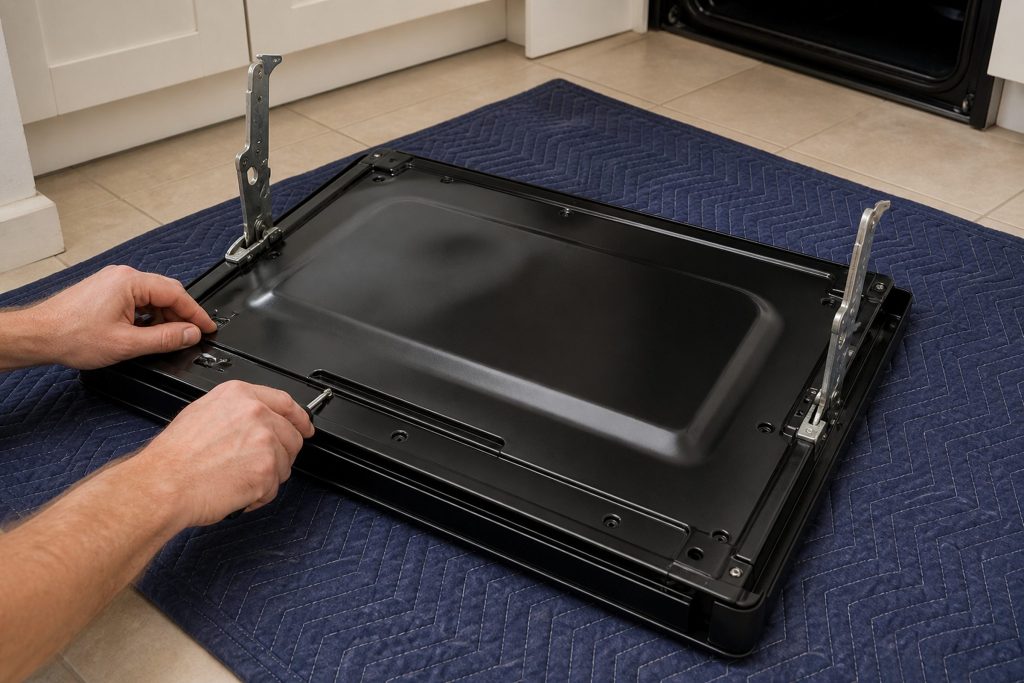
from $215 Oven door & latch repair
A door still locked hours after a self-clean, a door that will not close square, or hinges that have given up under a door heavier than it looks. Nearly every one of these calls starts with the same cycle.
- Locked doors released without damaging the door
- The reason the cycle stopped found, not just the latch
- Hinges, springs and glass set as one assembly
-
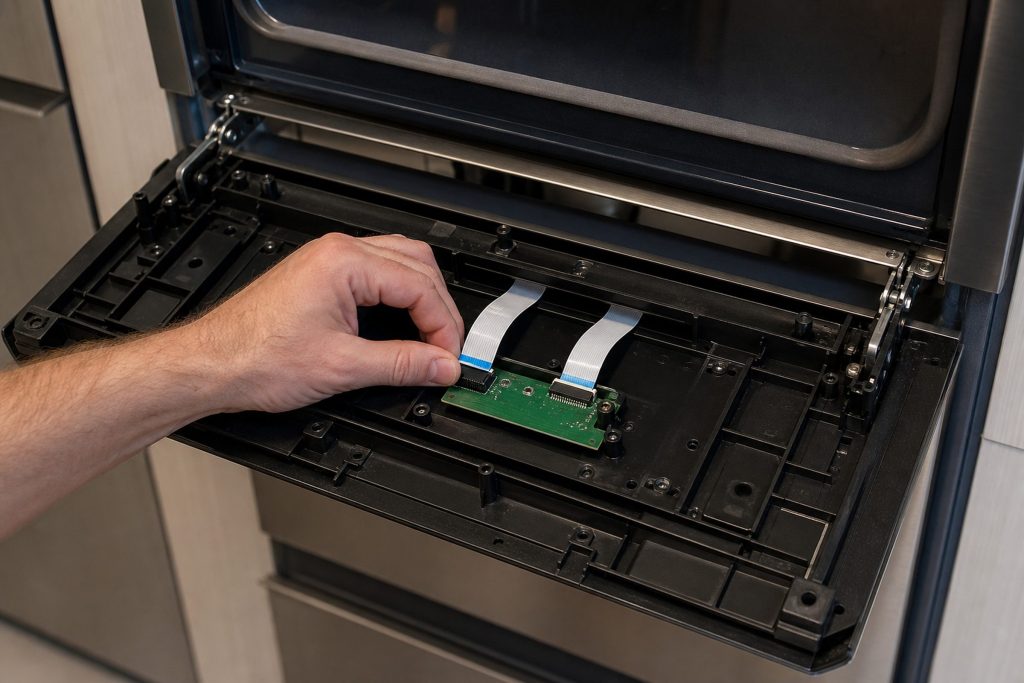
from $265 Cooking control & display repair
A code on the display, a keypad that does not answer, or an appliance that has not been the same since the power came back. On cooking appliances this maker shows plain words as well as codes — and several of them mean nothing is wrong at all.
- Codes and display words read before anything is cleared
- Documented resets tried before any part is proposed
- Keypad and control board proved as separate parts
-
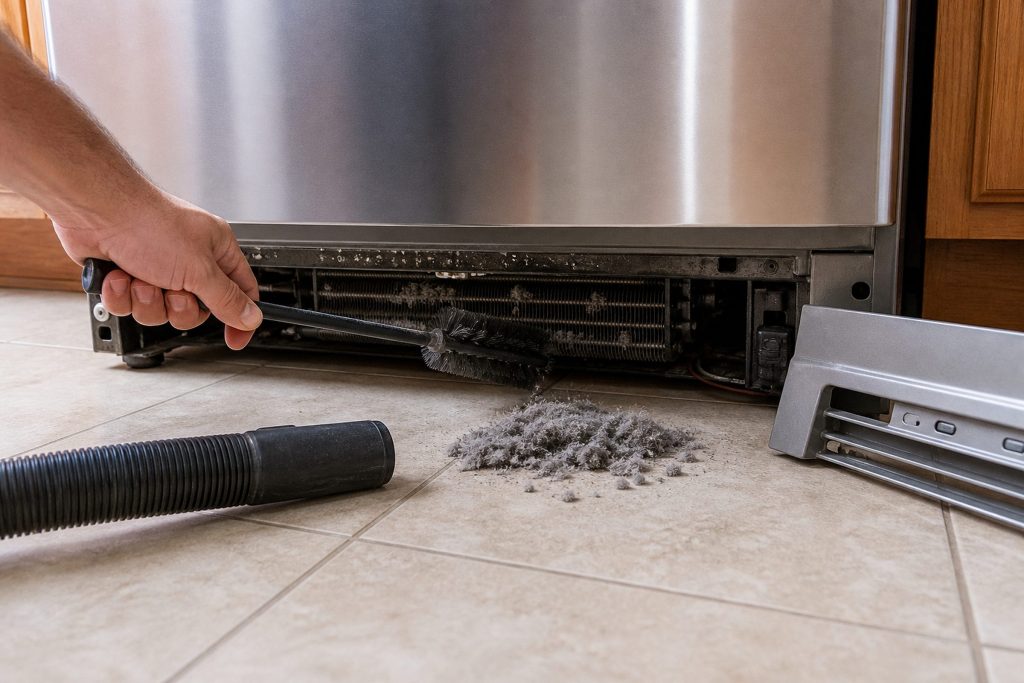
from $165 Appliance maintenance
A planned visit rather than an emergency one: filters, drains, coils, seals and ducts on whichever appliances you want looked at, in one appointment. Most of the expensive repairs on this list are prevented by an hour spent on this.
- Several appliances in one visit rather than one call each
- Filters, drains, coils, seals and ducts
- A written note of anything worth watching
-
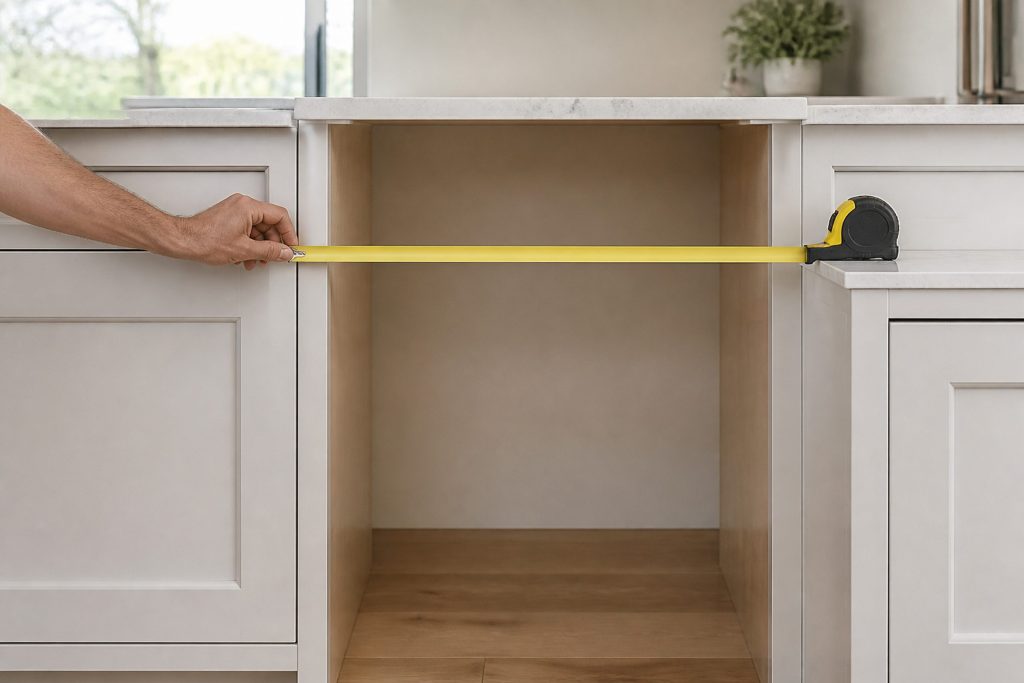
from $185 Appliance installation
Fitting a replacement into an opening that was built for something else — leveling, water, drainage, ventilation and the panel front. Most of what goes wrong in the first year of a new appliance is decided on the day it goes in.
- Leveled, sealed and connected, not just pushed into the gap
- Water, drain and ventilation checked rather than assumed
- The old appliance disconnected safely
In more detail
About KitchenAid wall ovens
Three kinds, in three widths
Single ovens, double ovens, and combination units with a microwave above the oven cavity, at 24, 27 and 30 inches. The maker's own feature names on the current line are True Convection and the assisted cooking modes; what matters to a repair is the width, whether there are two cavities, and whether there is a microwave in the stack.
What actually goes wrong
- The oven temperature sensor, drifting rather than failing.
- Bake and broil elements, and on a convection oven the third element around the fan.
- The door latch, which is a self-clean casualty far more often than anything else.
- The control board and the keypad, which is what most F#E# codes on this appliance point toward.
- The cooling fan, which runs on after the oven is off and which people often mistake for a problem when it is doing exactly its job.
- The door hinges and glass, on a door that is heavier than it looks.
Built in, and what that means
A wall oven lives in a cabinet opening with its wiring behind it. Anything at the back means the appliance comes out, and on a double or a combination unit that is two people and planned time. It is also why the model number is usually on the frame behind the door rather than anywhere convenient — and why a photograph of it saves a phone call.
What to have ready when you call
The model number from the frame inside the door, the full code on the display including both letters, and whether it is a single, a double or a combination unit.
This article is based on:
- Official manufacturer documentation
- Internal repair procedures
- Technician repair history
- Company quality standards
Before you book
Questions about KitchenAid wall ovens
The display shows something like F2E1. What does that mean?
It is a two-part code, and both halves matter. The F names the system that reported and the E names what it reported — so F2E1 and F2E0 are related but different, and F1E1 has nothing to do with either. Write down the whole thing, both letters and both digits, before you cut the power: clearing it is easy and it is the only evidence the oven has produced.
It preheats forever and never gets there.
Two candidates and they are told apart by measuring. If the element is only partly working — or one of two elements is dead on a convection oven — the cavity climbs slowly and stalls. If the sensor is reading high, the oven thinks it has arrived and stops heating early. Both feel identical from the kitchen.
My combination unit: the microwave works and the oven does not.
That is normal in the sense that they are two appliances sharing a trim kit. They have separate controls and separate parts, and a dead oven cavity does not implicate the microwave above it. It does mean the whole unit usually has to come out of the housing to work on either, which is the part worth knowing.
Should I use self-clean?
Sparingly, and never the night before you need the oven. The cycle takes the cavity far hotter than cooking ever does, and it is the single most common reason a door latch, an element or a control fails — not because the cycle is dangerous, but because it is the hardest hour the oven will ever have. Wipe out the worst first, run it when you can spare the oven for a day, and do not interrupt it.
How do I reset it after a power cut?
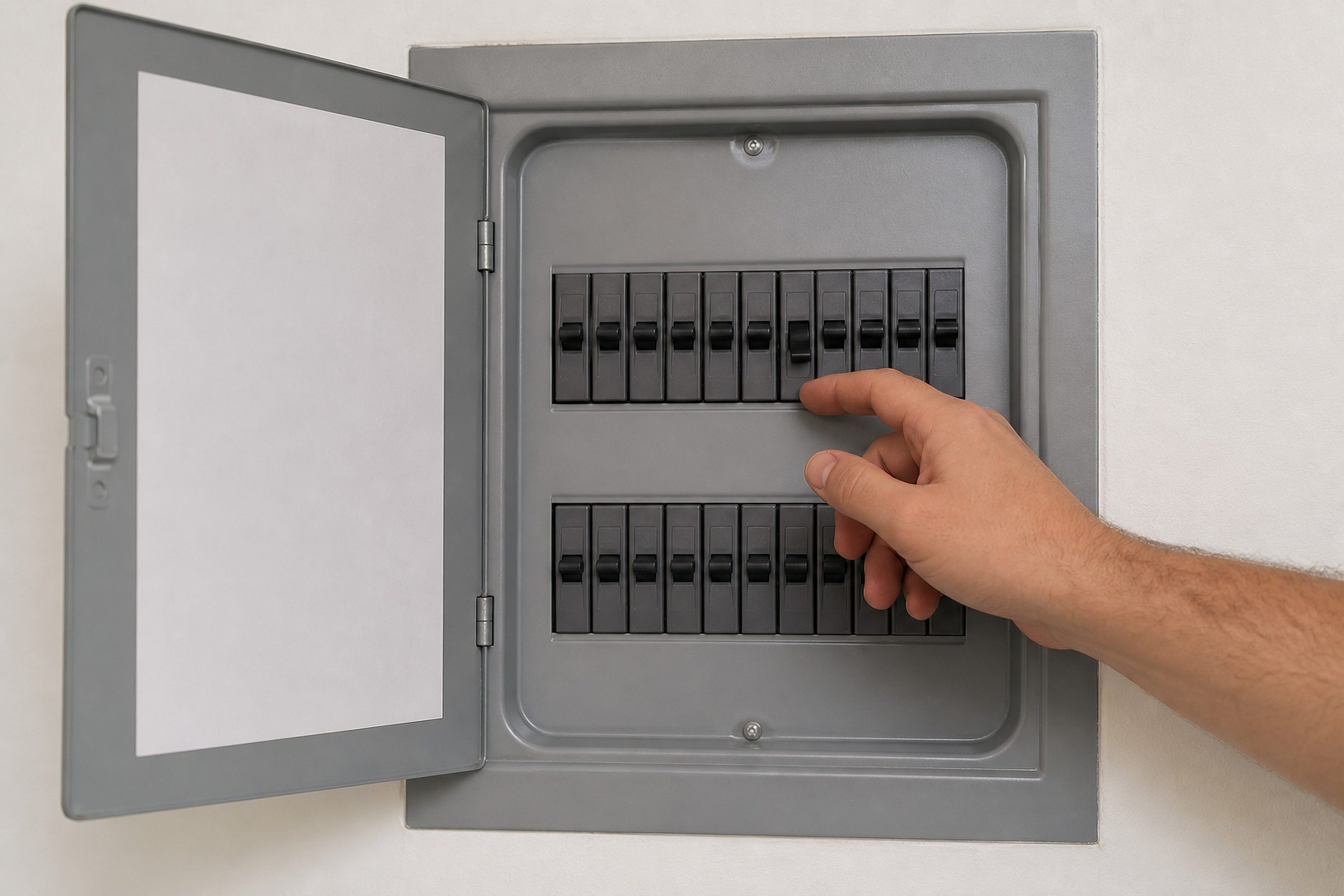
Set the clock first — most of these will not run a timed function until the time of day is set, which is why an oven can look dead after an outage and be perfectly well. If it still will not respond, switch it off at the breaker for five full minutes rather than a few seconds, and then try again.
Where we do it
Across Miami-Dade, Broward, and Palm Beach
Same terms everywhere we go: an on-site diagnostic first, the price agreed in writing, and the exact figure confirmed once we have seen the unit.
Neighborhoods people ask for by name