KitchenAidRepair Miami

Twelve appliance types, and two of them are no longer made

KitchenAid appliance repair in Miami, appliance by appliance.

This maker builds most of a kitchen: dishwashers, refrigeration, ice, wine, ranges, cooktops, wall ovens, microwaves and hoods. It also built washers and dryers for years and stopped, and those machines are still in South Florida laundry rooms. Tell us which one you have and what it is doing.

  • 12 appliance types we repair
  • 3 counties covered end to end
  • OEM parts available on order
  • from $95 diagnostic, credited to the repair

Book a visit

Book a diagnostic visit

Your model number and a line about what it is doing is enough to get started. We will confirm the earliest slot we can genuinely keep.

  • Diagnostic from $95, credited toward the repair when you go ahead
  • The work and the price in writing before anything is opened
  • A warranty on our workmanship
  • Miami-Dade, Broward and Palm Beach counties
  1. 01 You tell us the model and what the unit is doing. A photo of the display helps.
  2. 02 We come back with the earliest slot we can genuinely keep, not the earliest one that sounds good.
  3. 03 Diagnosis on site, then the scope and the price in writing before anything is opened.

Your details stay private. No spam, ever.

Loading the booking form…

The booking form is taking longer than it should. Call (305) 306-1328 and we will book the visit with you.

By appliance

What we repair, and what usually goes wrong with it

Each card lists what we are called out for most often on that appliance. Start with the one that matches yours — the page behind it covers what the appliance reports, the parts and what the work costs.

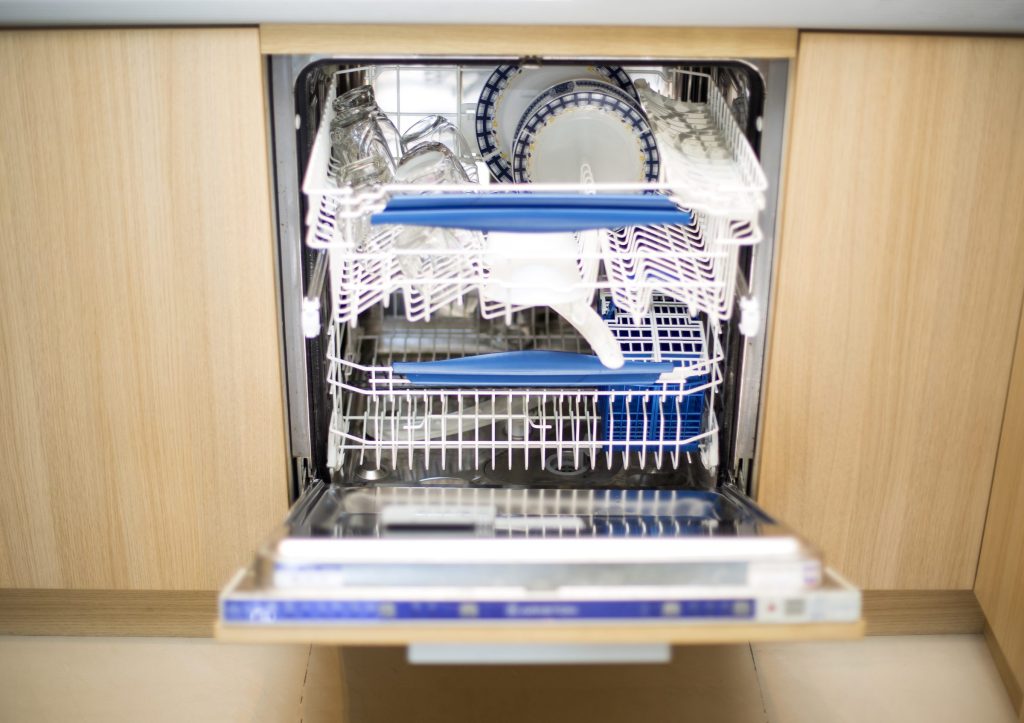
  • An integrated dishwasher standing open behind a light wood panel, both racks out, a cutlery basket in the lower one, the control strip along the top edge of the door
    Integrated control · Front control · Third rack · ProDry · 24" · 39–44 dBA

    Dishwashers

    The appliance this name means in a kitchen, and the one that tells you the most before anybody arrives. A KitchenAid dishwasher with no display still reports its code — it flashes it on the Clean light, in two bursts, and those two numbers are a diagnosis you can read from across the room before anybody opens anything.

    • The Clean light blinking a set number of times, over and over
    • A cycle that finishes with water still standing in the tub
    • Dishes coming out gritty, or coming out wet
    Dishwasher repair
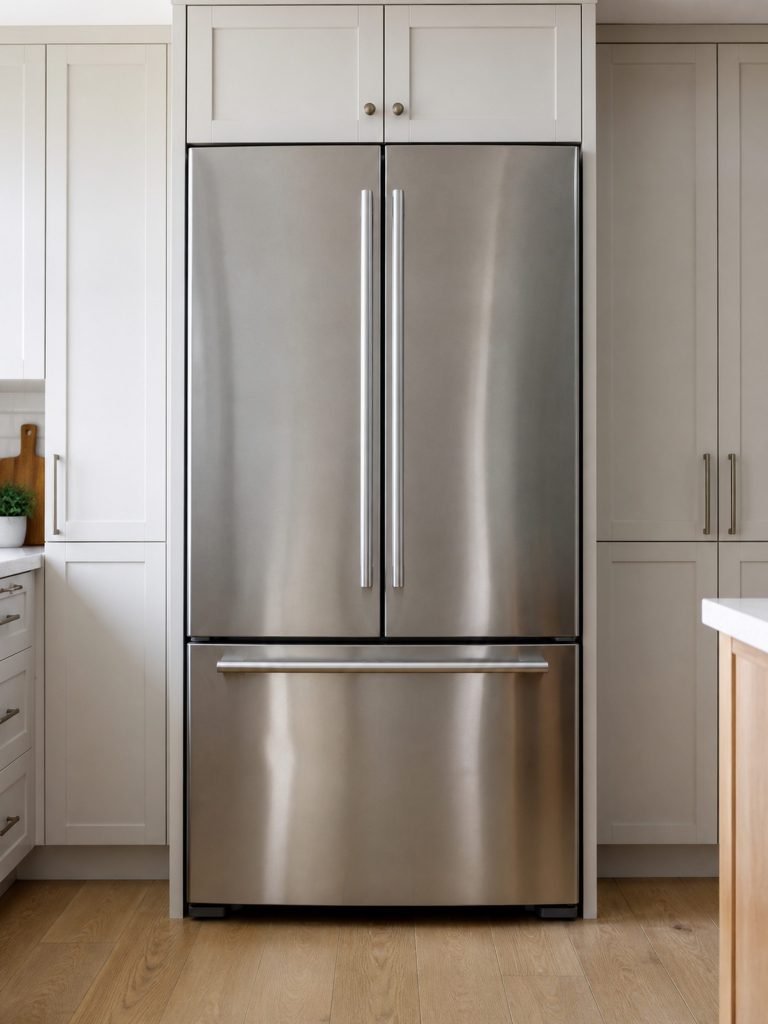
  • A tall stainless French door refrigerator filling the frame, both upper doors closed and the freezer drawer below shut, standing between cabinets in a bright kitchen, shot straight on from a few steps away.
    French door · Side-by-side · Bottom mount · Built-in · Counter-depth · 30"–48"

    Refrigerators

    The largest part of this maker's line and the largest part of our phone. French door and side-by-side, freestanding and built into cabinetry, counter-depth and full depth — and one code that South Florida sees more than anywhere else, because it is the one a cabinet shows after the power has been off.

    • PO flashing on the display after an outage
    • The refrigerator warm while the freezer is still cold
    • Water on the floor, or ice on the freezer floor
    Refrigerator repair
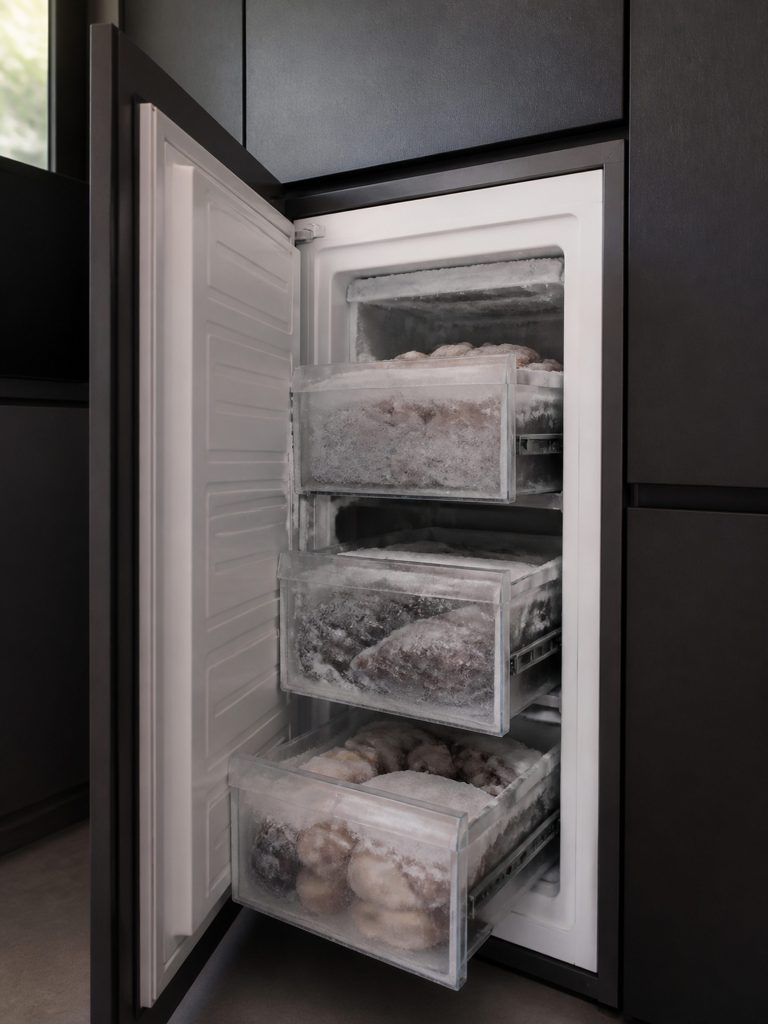
  • A freezer compartment with its drawers pulled out, clear boxes of frozen food stacked in them
    Freezer drawers · Bottom mount · Side-by-side · Ice build-up · Frost

    Freezers

    This make does not sell a standalone freezer, and that is worth saying plainly: the freezer here is the bottom drawer of a French-door cabinet, one column of a side-by-side, or a refrigerated drawer set to freeze. It is still the half people call about, because a freezer that stops is a freezer full of food.

    • Frost building on the walls or under the drawer
    • Cold, but not frozen — ice cream soft and meat soft
    • A drawer that will not close because ice is holding it
    Freezer repair
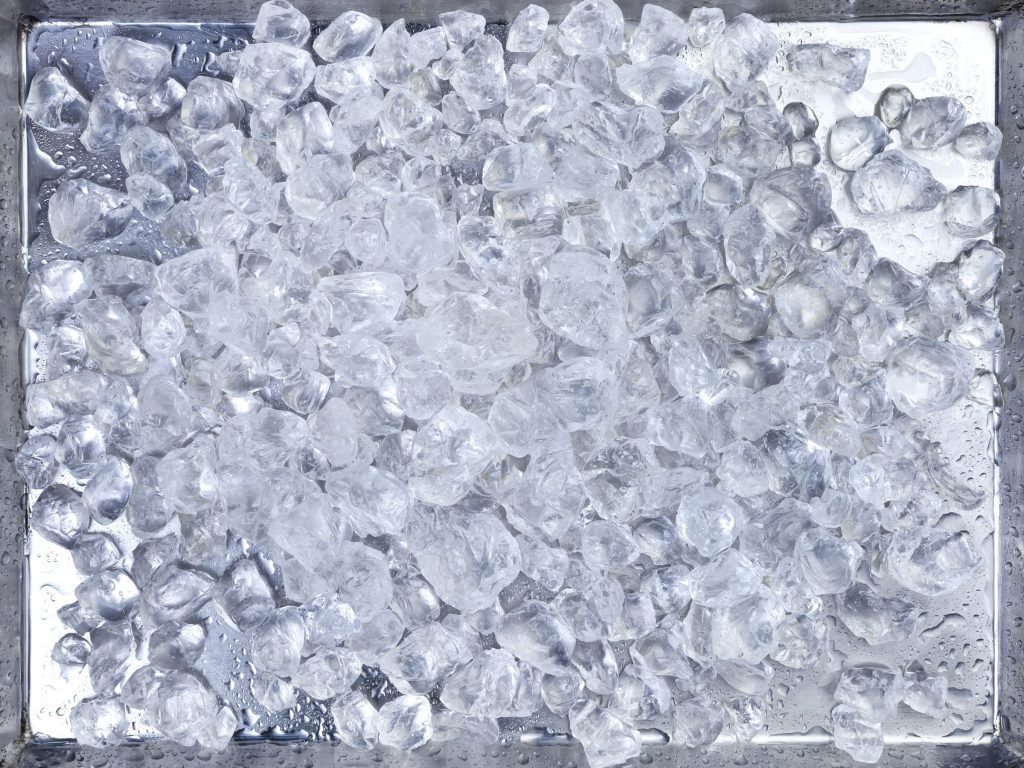
  • An ice bin filled to the top with clear cubes, seen straight down
    Undercounter 15" and 18" · 25 lb and 35 lb · Clear Ice · Panel-ready · In-door

    Ice makers

    Two different appliances share this card, and knowing which one you have changes everything. There is the ice maker inside the refrigerator, and there is the undercounter machine that does nothing else — a real ice maker with its own drain, its own water line and its own cleaning cycle. In this climate the second one earns its keep and asks for attention.

    • No ice at all, with water reaching the machine
    • Cubes coming out small, cloudy or hollow
    • A cleaning message, or a machine that will not restart after cleaning
    Ice maker repair
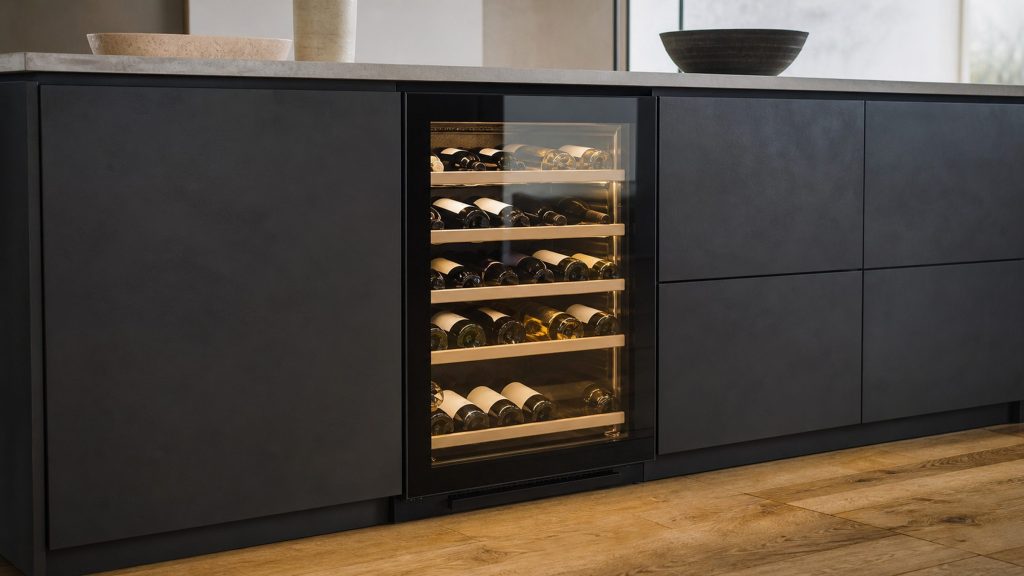
  • An undercounter wine cabinet built into dark cabinetry, bottles lying on wooden shelves behind a glass door, lit warm inside
    Undercounter 15" and 24" · Wine cellars · Beverage centers · Panel-ready · Glass door

    Wine cellars and beverage centers

    Small cabinets with an expensive job. A wine cellar holds a narrow band of temperature behind a glass door, in a climate that is working against it and often in a cabinet with very little air. When one drifts, what is inside it is usually worth more than the repair.

    • A cabinet running warm, or one zone warm and the other right
    • Condensation on the inside of the glass
    • A compressor that runs constantly and never satisfies
    Wine cellar repair
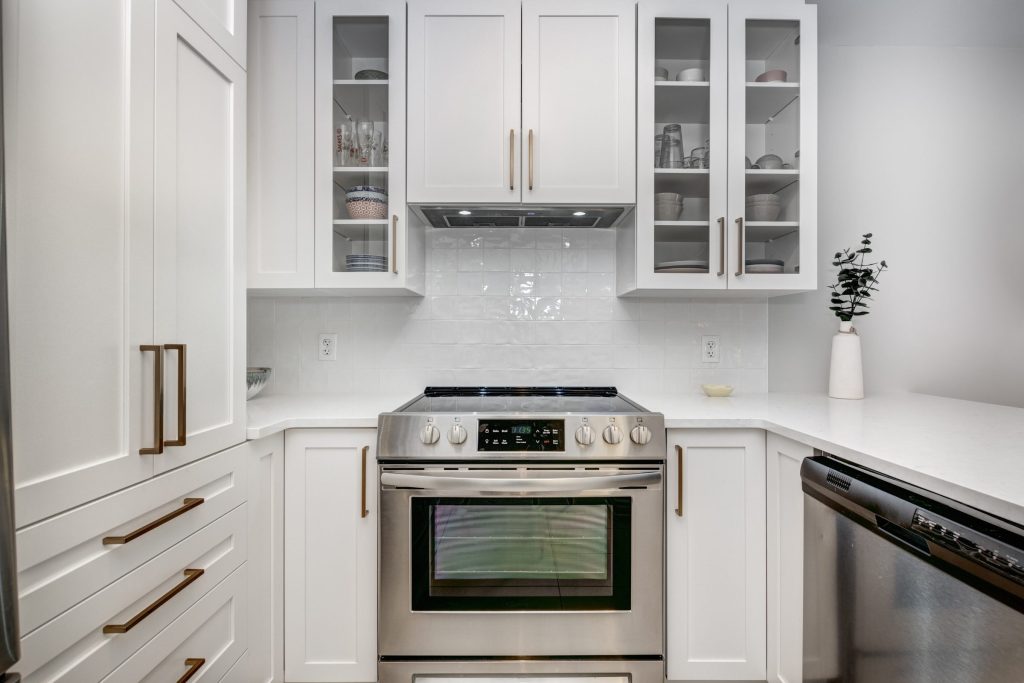
  • A stainless slide-in range set between white shaker cabinets under a hood, a dishwasher at the right, bright daylight
    Commercial-Style · Slide-in · Freestanding · Double oven · Downdraft · Gas, electric, dual fuel, induction

    Ranges

    One appliance and two systems that fail independently. More than half of this maker's current ranges are the Commercial-Style machines — heavy, knob-controlled, gas or dual fuel or induction — and the rest are slide-ins and freestanding ranges, including a downdraft model with the ventilation built into the appliance itself.

    • The oven not reaching temperature, or running far out
    • A surface burner that clicks and never lights
    • A door still locked hours after a self-clean
    Range repair
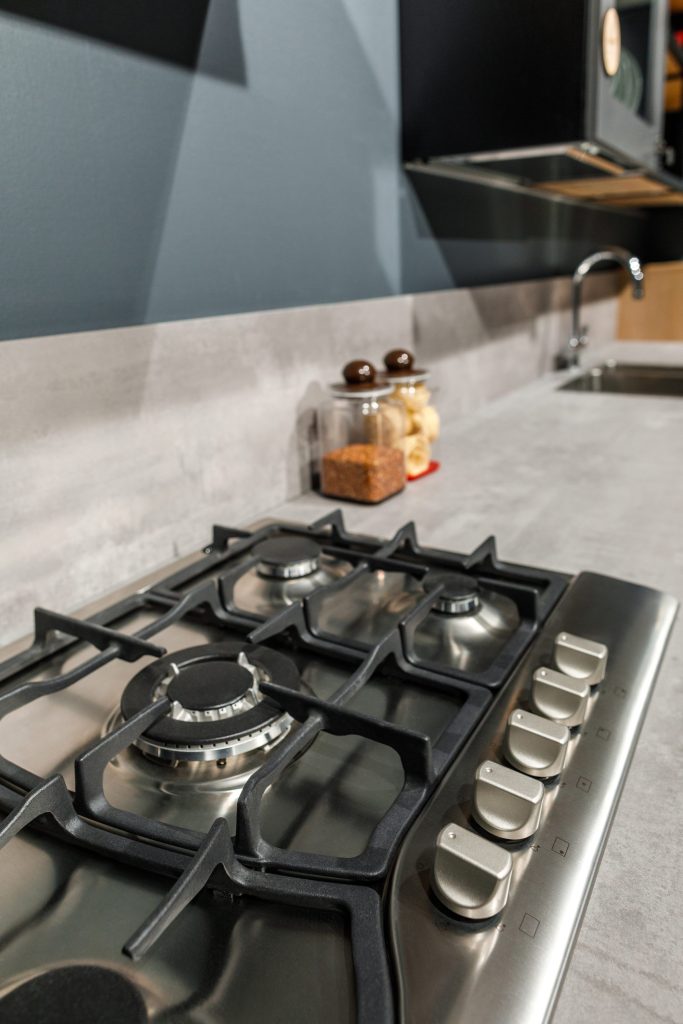
  • A stainless gas cooktop seen close from one side, four sealed burners with cast grates and a row of knobs along the front edge
    Gas · Gas-on-glass · Electric radiant · Induction · Downdraft · 15", 30", 36"

    Cooktops

    Four different appliances under one word. Gas with sealed burners, gas on a glass surface, electric radiant under ceramic, and induction — plus the downdraft versions of two of them, with a blower built into the counter. What has gone wrong is usually obvious once you know which one you are standing in front of.

    • One zone or one burner dead while the rest work
    • A surface that beeps or shuts a zone down on its own
    • A cracked or chipped glass top
    Cooktop repair
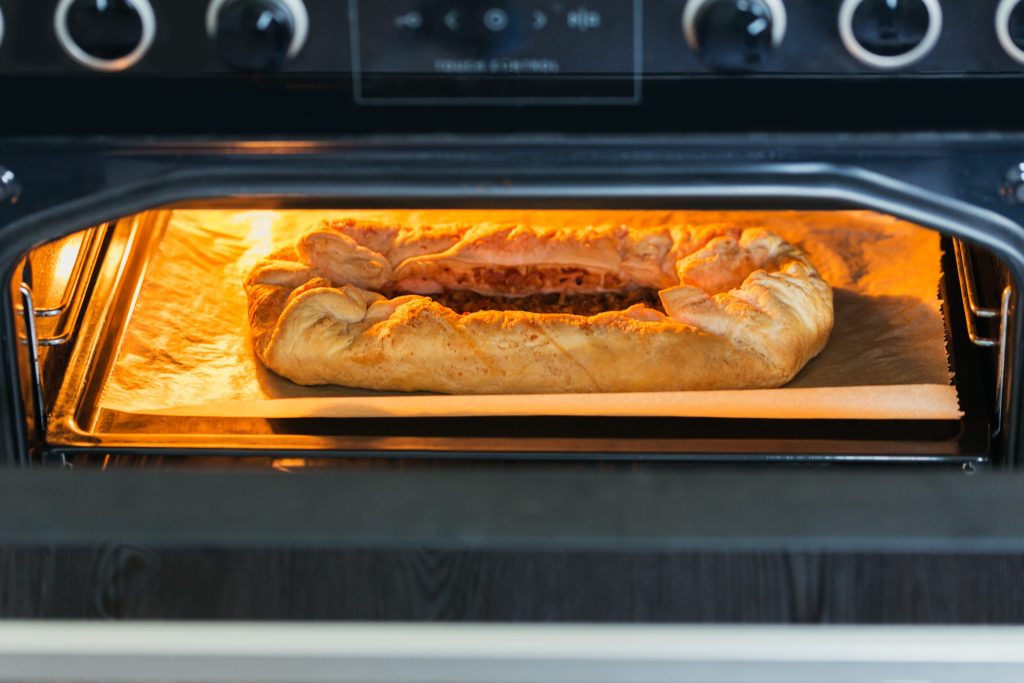
  • A built-in oven with the door open and a tart baking on the shelf, the cavity lit warm, knobs and a touch control panel above the door
    Single · Double · Combination microwave-oven · 24", 27", 30" · True Convection · Self-clean

    Wall ovens

    Built into a tall housing, surrounded by cabinetry, and heavy. A wall oven is the appliance where the access is a real part of the job — and the combination units, with a microwave above the oven, are two appliances in one opening that report separately and fail separately.

    • An F code and a letter E on the display, with the oven refusing to start
    • An oven that heats but never reaches the temperature it is set to
    • A door locked after a self-clean, hours after it cooled
    Wall oven repair
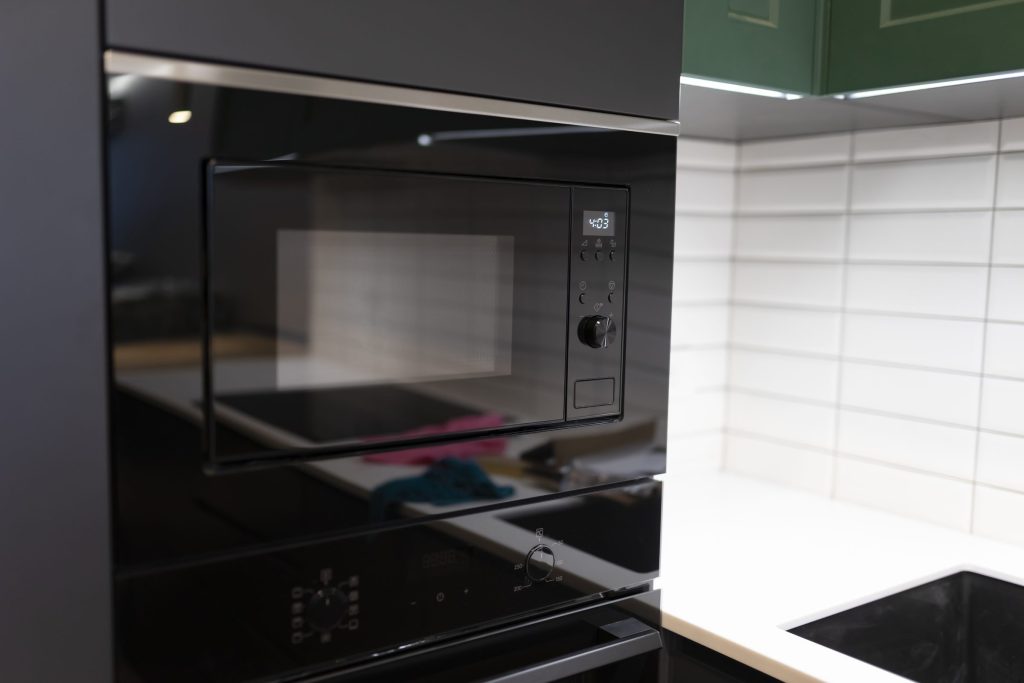
  • A black built-in microwave set into a run of dark cabinetry above a cooktop, its door closed
    Over-the-range · Built-in · Low profile · Microwave-hood combination · Countertop · Air Fry

    Microwaves

    The appliance nobody thinks about until the light is on and nothing is hot. Over-the-range, built into a cabinet with a trim kit, or the microwave-hood combination that also ventilates your cooktop — and on that last one, a dead microwave means a dead hood as well.

    • It runs, the plate turns, and the food stays cold
    • Buttons that do nothing, or a panel that has gone dark
    • The fan or the light staying on and not switching off
    Microwave repair
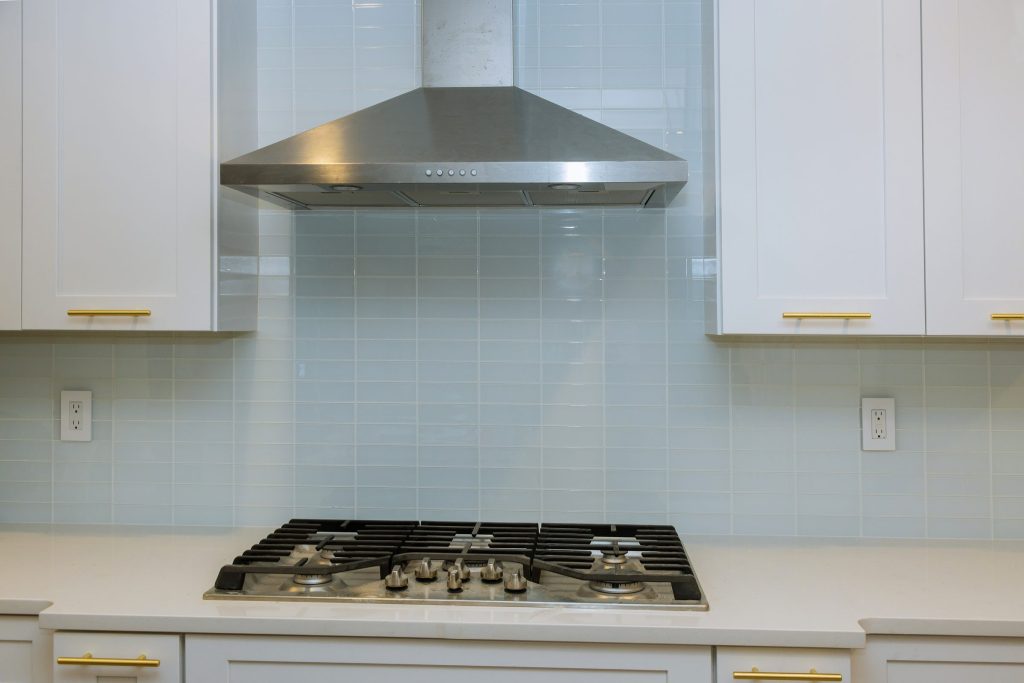
  • A stainless chimney hood mounted on a tiled wall above a gas cooktop in a white kitchen
    Wall-mount · Under-cabinet · Island · Commercial-Style · Custom liners · Retractable downdraft

    Range hoods and vents

    The appliance that gets attention only when it is silent, and the one whose maintenance is genuinely all an owner needs to do. Wall-mounted canopies, under-cabinet hoods, island hoods, insert liners for custom millwork, and the retractable downdraft that rises out of the counter.

    • A fan that does nothing on any speed
    • Lights working but no extraction, or the other way round
    • A downdraft that will not rise, or will not go back down
    Range hood repair
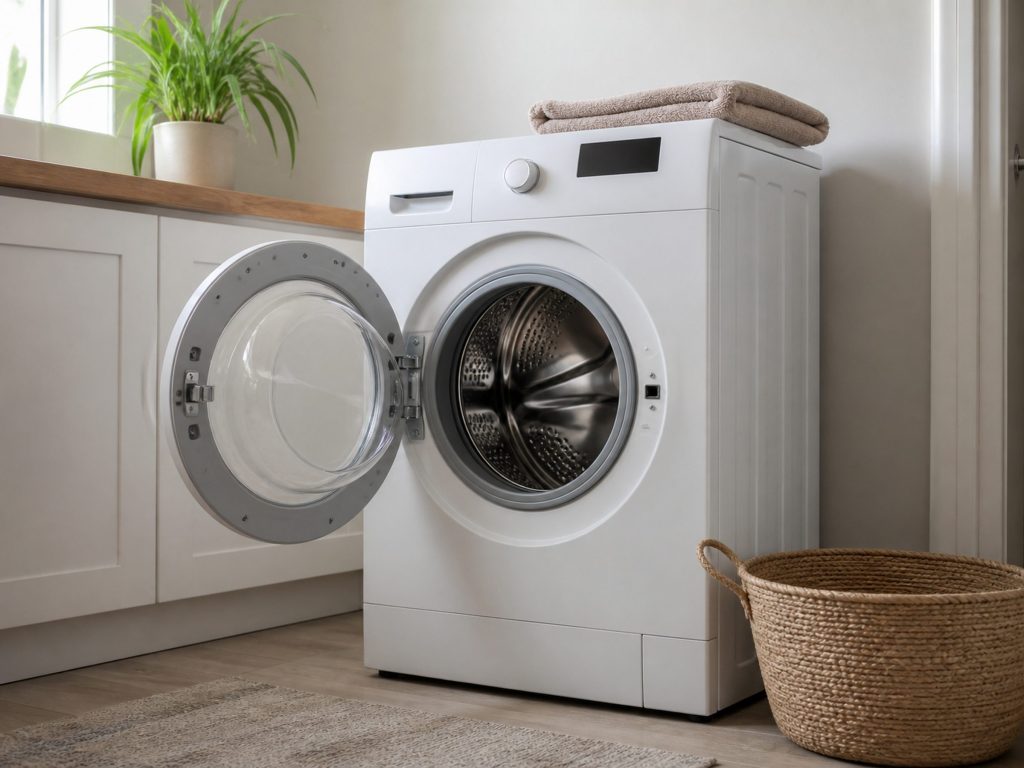
  • A front-loading washing machine standing in a domestic laundry room with its door open on the empty stainless drum, a folded towel on the machine beside it and a basket on the floor, no person in the frame.
    Superba · Ensemble front-load · Top-load · No longer manufactured · Still repaired

    Washing machines

    Worth saying in the first line: KitchenAid does not sell washing machines in the United States any more. There is no laundry section in its own catalog and no laundry family in its own support base. The machines are still in South Florida homes and garages, people still search for them by name, and we still repair them — this page is about a machine that is no longer made.

    • A drum that fills and will not spin
    • A machine that stops with water in it and will not drain
    • A lid or door that will not unlock at the end of a cycle
    Washing machine repair
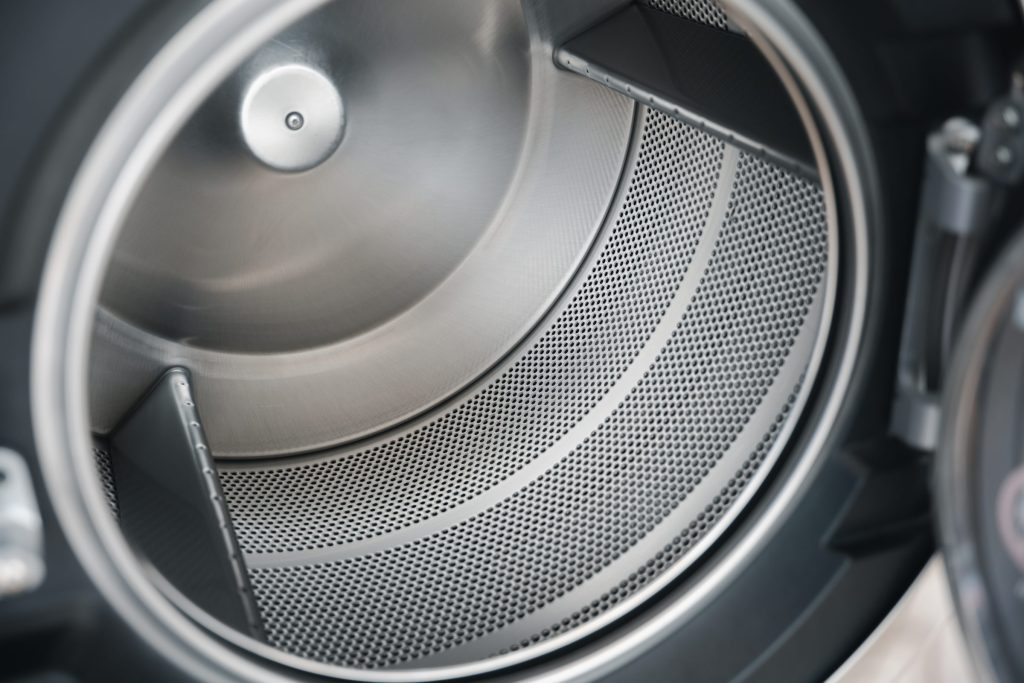
  • The inside of a dryer drum seen through the open door, the perforated stainless wall and the lifting vanes
    Electric and gas · Vented · Ensemble front-load · No longer manufactured · Still repaired

    Dryers

    The same situation as the washer next to it, and usually the same laundry room. KitchenAid stopped selling dryers in the United States, and the ones still working here are vented electric and gas machines that people search for by model number to this day. A vented dryer is a simple appliance, which is why so many of these calls end well.

    • A drum that turns with no heat at all
    • A cycle that runs and runs and the clothes stay damp
    • A machine that will not start, or stops the moment the button is released
    Dryer repair

Read the flashes before you cancel

A blinking Clean light is not a machine complaining. It is a code.

Most of the dishwashers this maker sells have no numbers on the front, so when something stops them they say it in flashes on the Clean light — and it is the same code a machine with a display would print.

It arrives in two bursts. The first burst is the F number, the second is the E number, and then a long pause before it repeats. Seven flashes, pause, one flash means F7 E1. Count both, write both down, and only then cancel the cycle — because cancelling clears it and the machine has no way to tell you again.

Look up a code
A tall run of pale kitchen cabinetry with a stainless appliance column built into it, seen from below at an angle so the cabinetry dominates and the appliance front is foreshortened.

Two of these twelve are no longer built

KitchenAid stopped selling washers and dryers. Yours still works, and we still repair it.

There is no laundry section on the maker’s site and no laundry family in its own support base — search its store for “washer” and you get a rubber washer in a plumbing fitting. What that means for you is not that your machine is finished. It means parts, and who to trust about your model.

Most of what fails on these is shared with other badges from the same corporate group, so pumps, lid switches, belts, valves, elements and thermostats are commonly still available. What is genuinely hard to find is cosmetic — panels, consoles, trim. We will tell you which side of that line your repair is on before anything is ordered.

What each repair costs
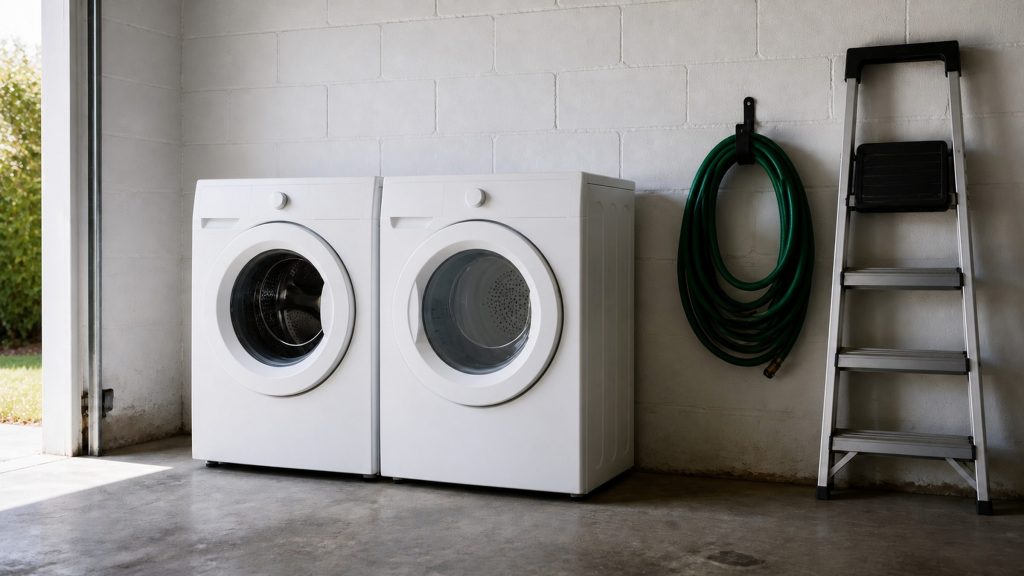
Inside a residential garage: a white washing machine and a white dryer standing together against a painted block wall, a coiled garden hose on a hook beside them and a folded stepladder leaning nearby.

By job

The repairs behind those symptoms

If you already know what the appliance needs, these are the pages with the starting figures on them.

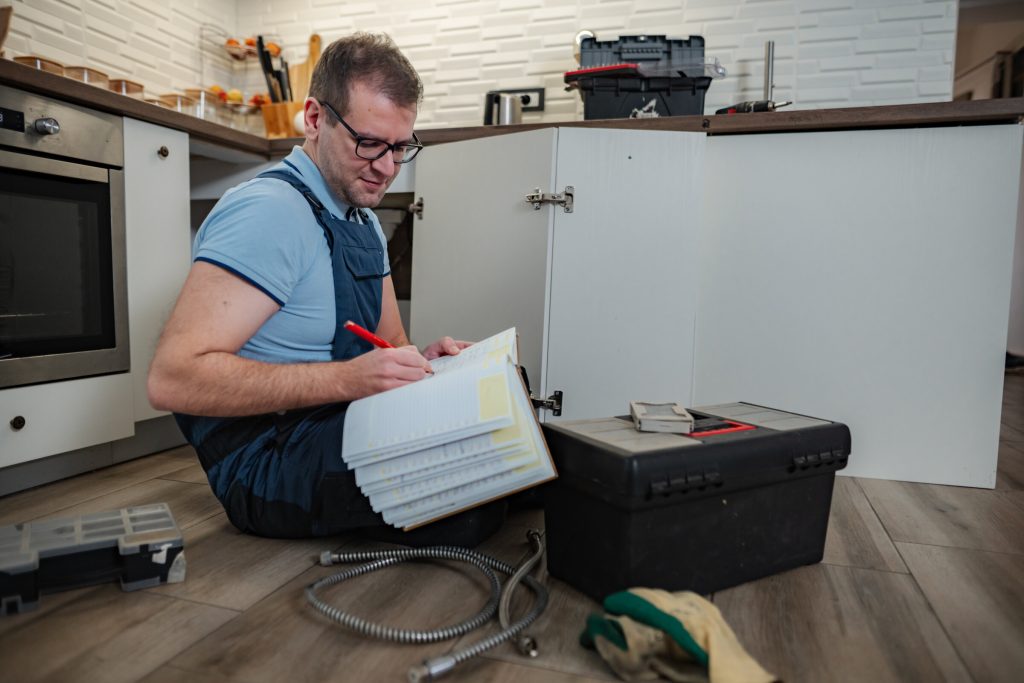
  • An appliance technician kneeling on a kitchen floor, writing up a job on a clipboard beside an open cabinet and a tool box
    from $95

    Diagnostic visit

    We read what the appliance is reporting — a code on a display, or the flashes on a dishwasher Clean light — then measure before saying anything about the repair. The fee is credited toward the work when you go ahead.

    What this involves
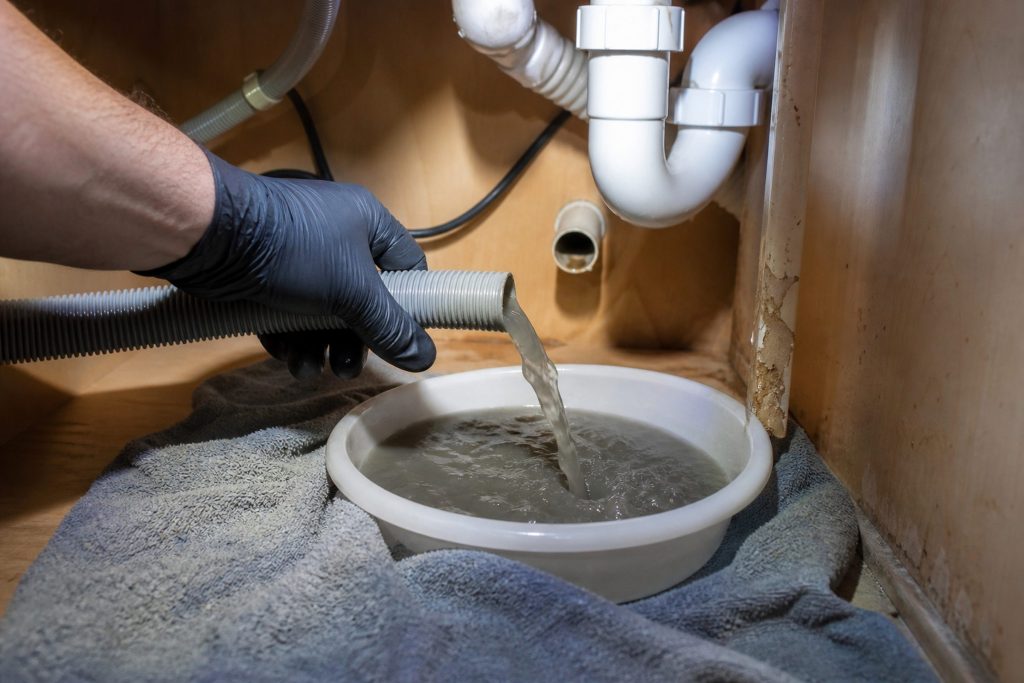
  • A corrugated dishwasher drain hose disconnected from its spigot inside a base cabinet under a kitchen sink and held down over a shallow plastic bowl, grey water running out of the end of it, one gloved hand steadying the hose and a folded towel spread under the bowl.
    from $165

    Dishwasher drain & pump repair

    Water standing in the tub at the end of a cycle, or a machine that reports and stops. Three of the four usual causes are outside the appliance, which is why this visit starts at the sink rather than under the machine.

    What this involves
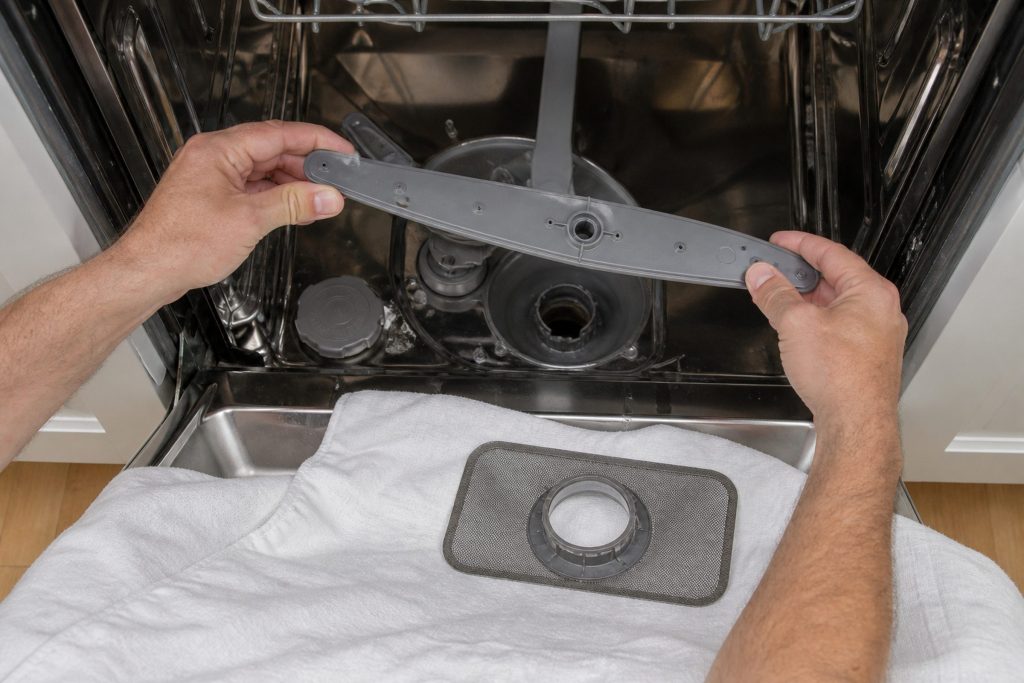
  • The lower spray arm of a dishwasher unclipped and lifted a few inches clear of its hub by two hands, the fine mesh screen already lying on a cloth on the open door beside it, the empty sump visible below.
    from $145

    Dishwasher wash & filter service

    Dishes coming out gritty, filmed or still dirty on one rack. This is the repair that most often ends without a part — and the one where South Florida water is doing more of the work than anything mechanical.

    What this involves
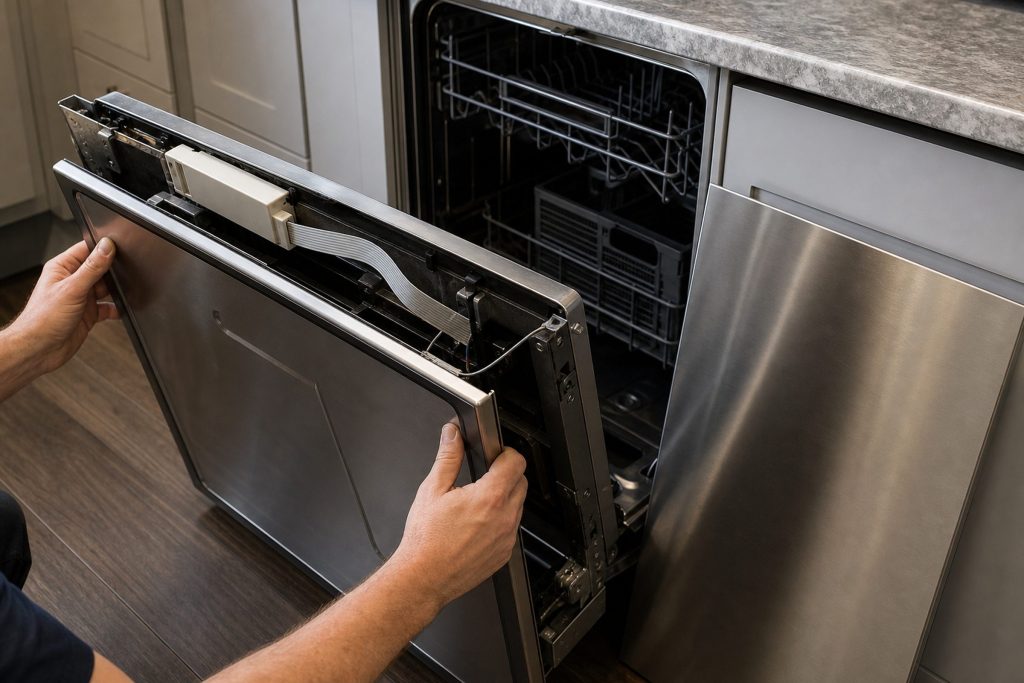
  • The inner skin of a dishwasher door lifted away and held back on its hinges with the outer panel resting against the cabinet, exposing the flat ribbon cable and the control module in the top rail.
    from $185

    Dishwasher control & door repair

    A panel that will not respond, a machine that will not start, or a door that drops open instead of staying where you put it. On an integrated machine you cannot see any of it from the front, which is where the diagnosis begins.

    What this involves
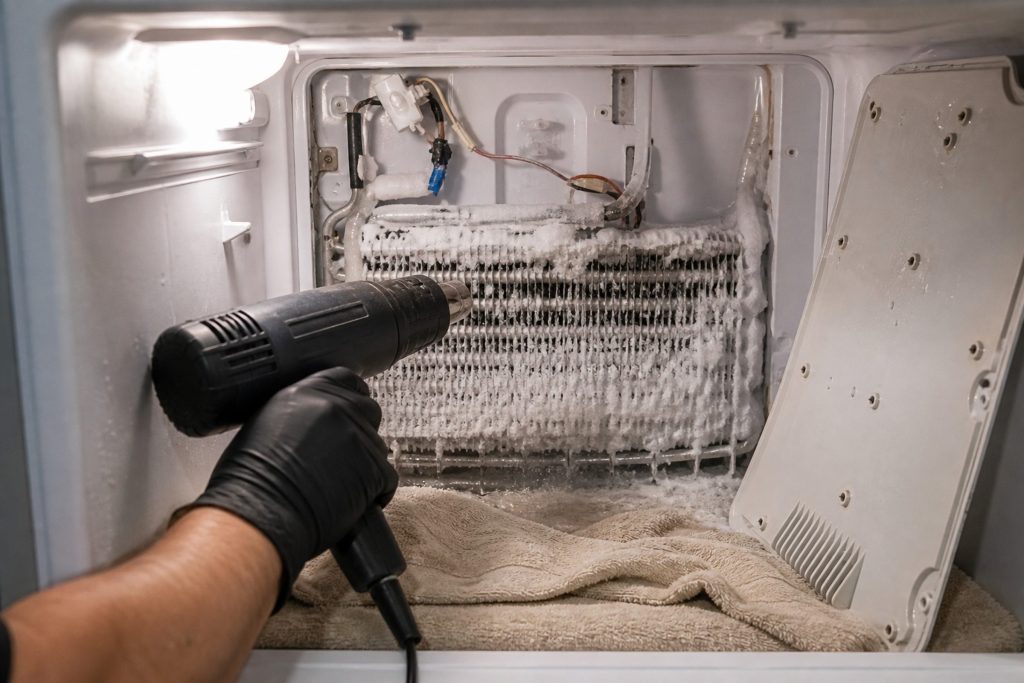
  • The rear cover of a freezer compartment unscrewed and set aside, the evaporator coil behind it thick with white ice, a gloved hand playing a heat gun across the fins at an angle with a towel packed along the bottom of the compartment to catch the melt.
    from $245

    Refrigerator defrost & cooling repair

    The fresh food side warm while the freezer is still cold. It is the most diagnostic sentence a caller can say, and it very rarely means what people fear it means.

    What this involves
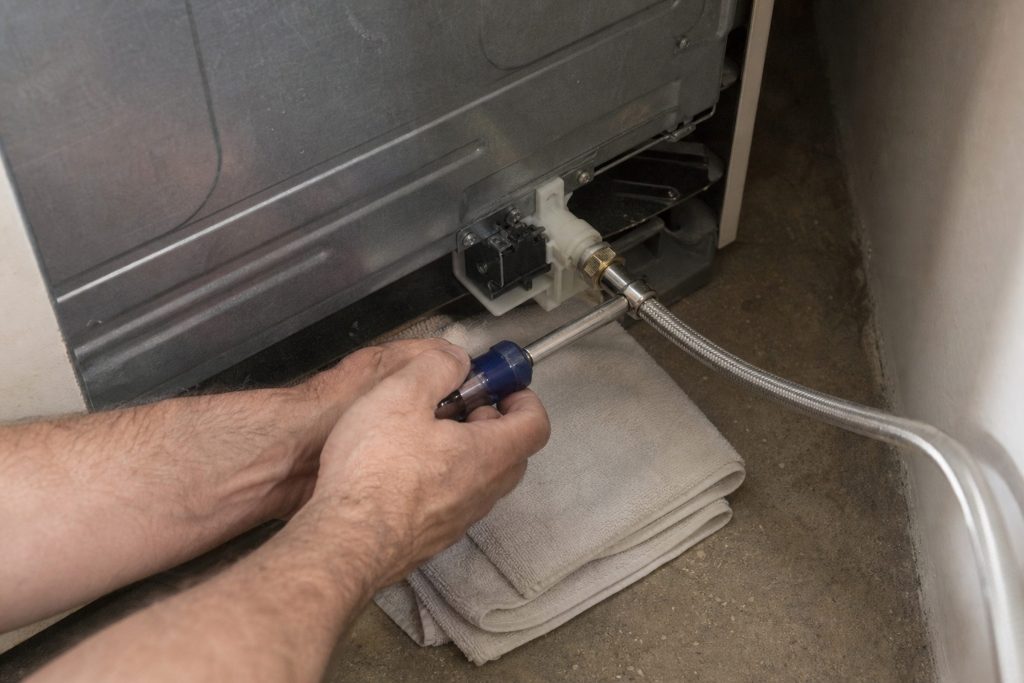
  • Hands with a nut driver working on the water inlet valve on the lower back of a refrigerator that has been pulled out from the wall, the braided supply line arriving from the right and a folded towel under the fitting.
    from $175

    Refrigerator water & dispenser repair

    No water at the door, a dispenser that drips, or water arriving on the floor instead of in the glass. Most of it starts at the inlet valve, the filter head or a defrost drain, and almost none of it starts where the puddle is.

    What this involves
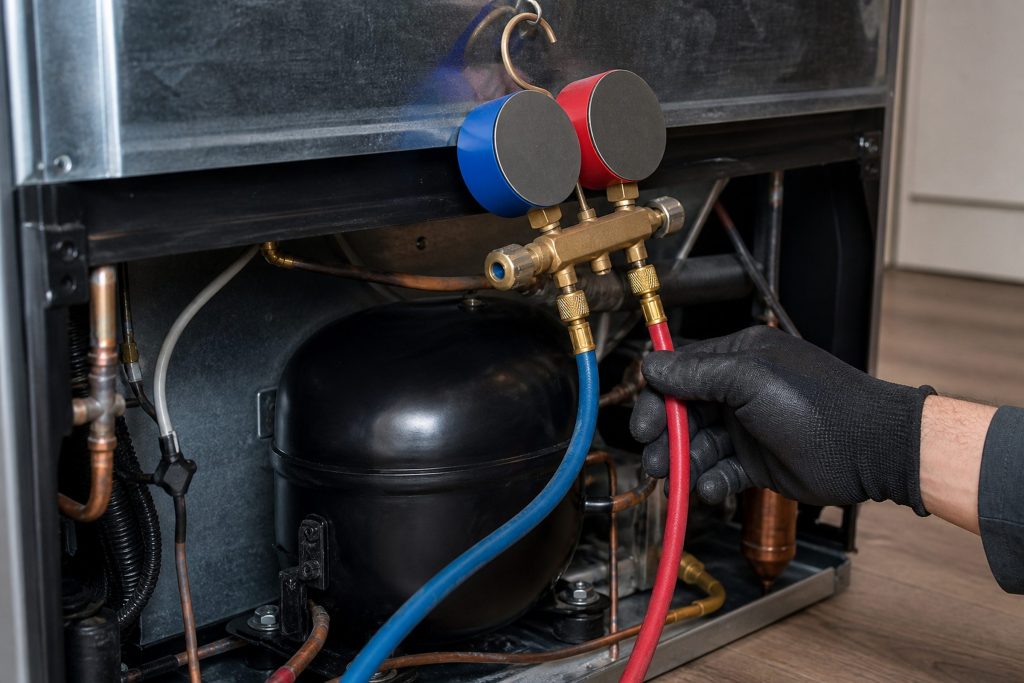
  • A refrigeration gauge manifold with its two hoses clipped onto the process ports of a compressor in the machine compartment at the back of a refrigerator, the black compressor dome and its copper lines filling the lower frame, a gloved hand on one hose.
    from $650

    Sealed system & compressor repair

    Refrigerant circuit work — the biggest repair on any cold appliance, and the one where the diagnosis matters more than the part. Everything cheaper is ruled out first, and if the job is not worth doing you will hear that on the visit.

    What this involves
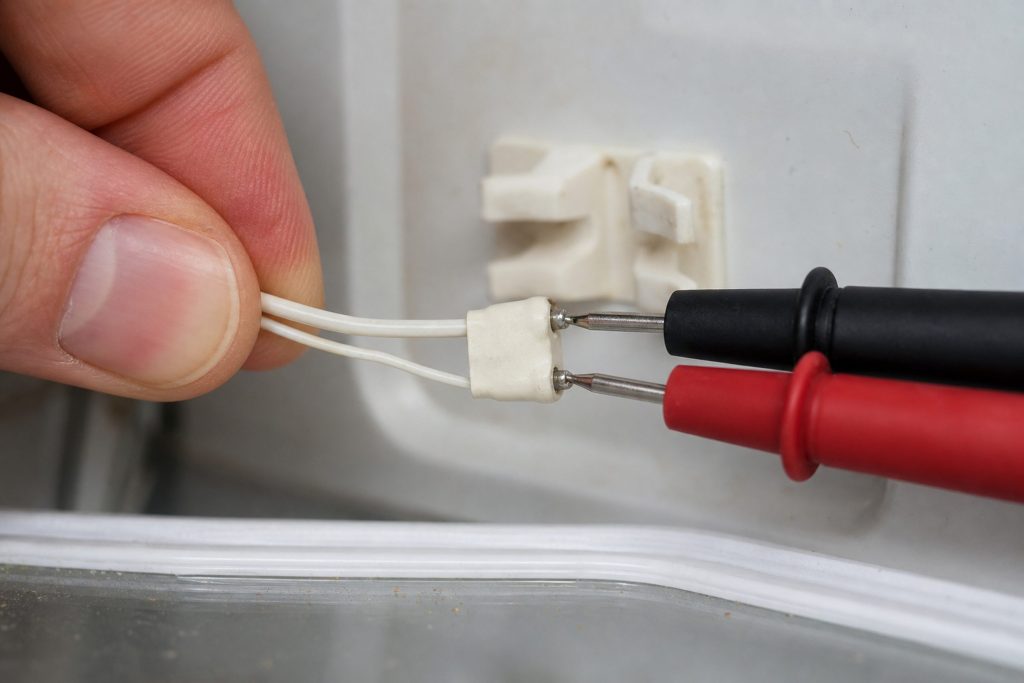
  • A small thermistor unclipped from its bracket on an interior refrigerator wall and drawn out on its two-wire lead into the cabinet, held between finger and thumb, with a pair of meter probes touching its terminals from the other side of the frame.
    from $225

    Refrigeration control & sensor repair

    A cabinet that reads right and behaves wrong, one zone warm while the other is perfect, or a panel that has not been the same since the power came back. This is the electronics rather than the cooling.

    What this involves
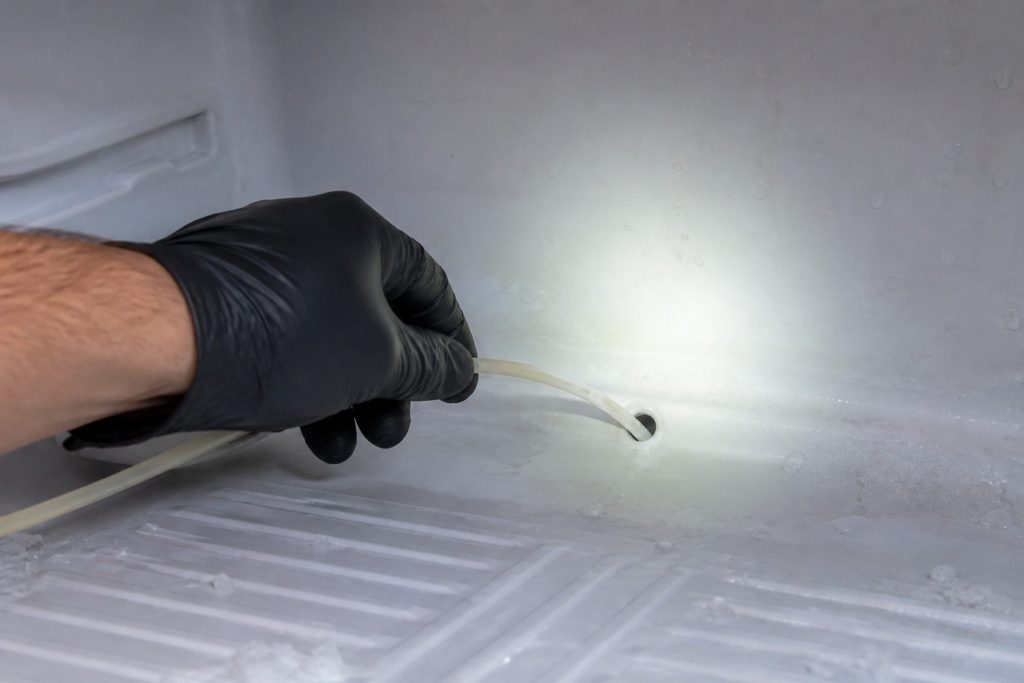
  • A gloved hand feeding a slim flexible tube into a small drain hole at the back of a freezer compartment, ice cleared away around it.
    from $155

    Freezer frost & drain service

    Frost building on the walls, a sheet of ice under the drawer, or a drawer that will not close because something has frozen in its way. In a climate this humid it is the most common thing a freezer does, and it is nearly always fixable in one visit.

    What this involves
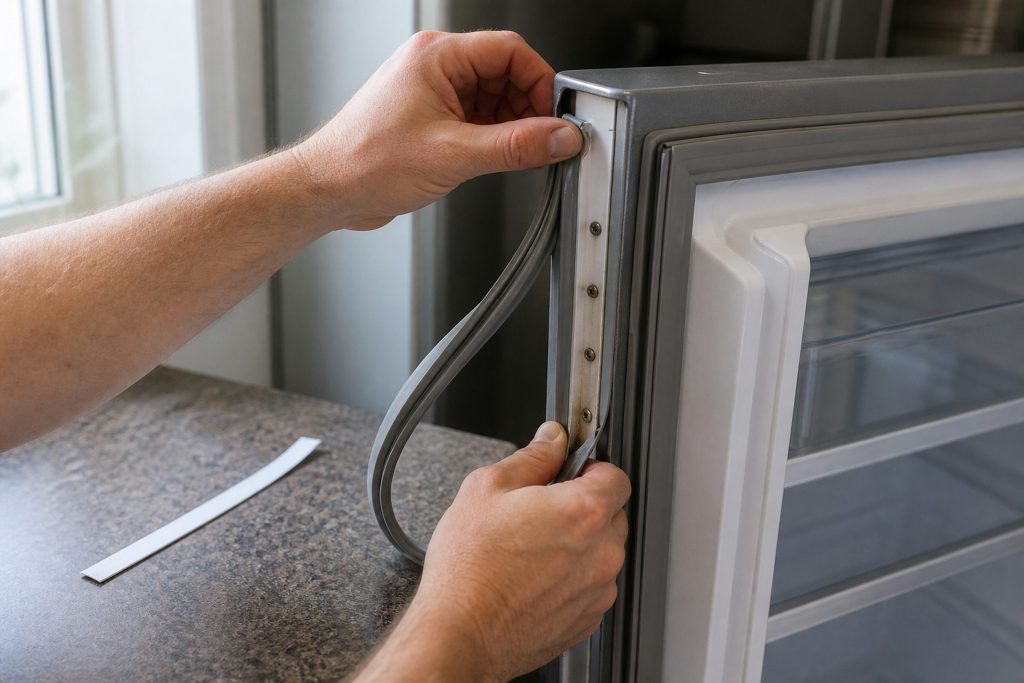
  • A refrigerator door gasket being peeled out of its retaining channel by two hands, a foot of it already free and hanging, the bare channel and the screw heads behind it visible.
    from $155

    Door, gasket & alignment repair

    A door that does not close square, a seal gone hard, a drawer that no longer runs true, or condensation on the inside of a glass wine cabinet door. The cheapest work on a cold appliance and the thing most often left too long.

    What this involves
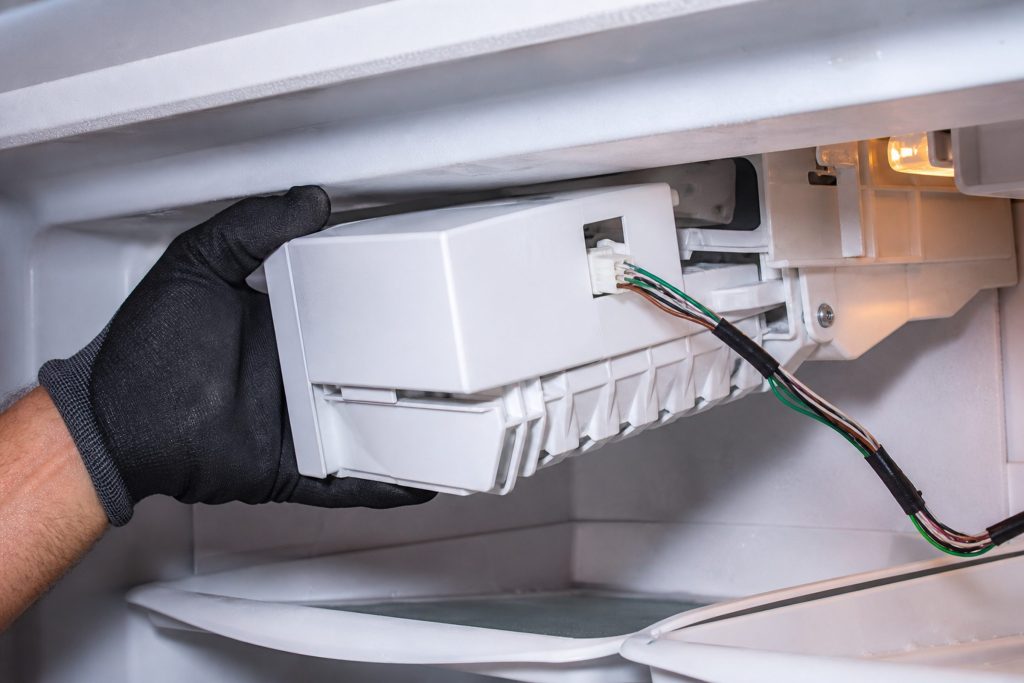
  • A gloved hand easing an ice maker module out of the top of a freezer compartment, its wiring harness still attached.
    from $185

    Ice maker fill & harvest repair

    No ice, small ice, or cubes that form and refuse to let go. Two different appliances share this repair — the module inside a refrigerator and the undercounter machine that does nothing else — and knowing which one you have changes the visit.

    What this involves
  • A close heap of cylindrical ice cubes, frosted and beaded with meltwater
    from $145

    Ice machine cleaning & descaling

    The maintenance that keeps an undercounter ice machine out of the repair pages. In this water it wants doing more often than the manual assumes, and it is the difference between cloudy cubes and a stopped machine.

    What this involves

What this climate does to them

Three things South Florida is hard on

None of them are unusual here, and all three are cheaper to prevent than to repair.

Hard water

  • Film on glassware that reads as a wash failure and is water hardness
  • Scale on a dishwasher heater and in an ice maker's water path
  • Both counties soften at the plant, and the maker still recommends a softener at 15 grains

Humidity

  • Moisture down the mullion of a French door, which the maker calls normal
  • Frost that outruns a defrost cycle, on a seal sitting a fraction proud
  • A vented dryer duct that packs with damp lint instead of blowing clear

Outages and heat

  • A range showing PF, or a clock flashing, after the power came back
  • A refrigerator asking to be acknowledged before it goes back to normal
  • Induction and downdraft electronics reaching their limit in a sealed island

Not seeing your appliance?

Twelve cards is not the whole list of what we will look at.

The twelve above are the appliance types this site publishes. What the list does not name is every variant: a warming drawer under a wall oven, a refrigerated drawer in an island, a beverage center in a bar run, a trash compactor, a downdraft that rises out of the counter, a custom hood liner inside your own millwork, a microwave-hood combination that is two appliances in one. All of them are in scope even where no card names them.

If you are not sure which of them yours is, the model plate settles it — on the edge of the door on a dishwasher, on the frame inside the door on a wall oven, on the upper left wall inside a refrigerator, behind a filter on a hood, inside the door frame on a washer or dryer. Call (305) 306-1328, or use the form above and describe it in your own words.

Before you book

Questions we get about the equipment

Where is the model number on a KitchenAid?

It depends on the machine. On a dishwasher it is on the edge of the door, visible only when the door is open. On a wall oven or a range it is on the frame inside the door, sometimes behind the storage drawer. On a refrigerator it is on the upper left wall inside the fresh-food side. On a hood it is behind a filter. On a washer or dryer it is inside the door frame. It is worth a photograph rather than a transcription — the letters and digits run together and a single character changes which part fits.

Do you repair KitchenAid washers and dryers? I read they are discontinued.

We do, and they are. There is no laundry family in this maker's own support base any more, which changes two practical things and only two: parts, and who to trust about your model. Most of what fails is shared with other badges from the same corporate group, so pumps, lid switches, belts, valves, elements and thermostats are commonly still available. What is genuinely hard to find is cosmetic — panels, consoles, trim. We tell you which side of that line your repair sits on before anything is ordered.

My dishwasher has no display. How would it show a code?

By blinking the Clean light in two bursts. The first burst is the F number and the second is the E number: seven flashes, a short pause, one flash is F7 E1. Counted straight through, that reads as eight — a code that does not exist. Watch a complete repeat before touching anything, write both numbers down, and remember that Cancel erases them and so does the breaker.

Is a KitchenAid the same machine as a Whirlpool underneath?

They share a corporate group and, on the cooking side, a control platform: the same error codes sit at identical paths on all three support sites, and one range service manual is titled for three badges at once. That is useful rather than damning — it means the code names the subsystem and the model number names the machine. What it does mean is that a code alone never identifies your appliance, which is why the machine is in the title of every code page on this site.

Do you work on the stand mixers and the countertop machines?

No. This site covers the built-in and major appliances only — the twelve above. The mixers, blenders, coffee makers and food processors that carry the same name are a different kind of repair with a different parts supply, and we would rather say so than take the call. For those, the manufacturer's own service network is the right first stop. Call (305) 306-1328 if you are not sure which of the two yours is.

How KitchenAid appliances are repaired, and what decides the figure

What we are called out for, appliance by appliance

  • Dishwashers. Draining, the tub filter, the control panel, the door and its latch, the heater circuit
  • Refrigerators. Defrost, the evaporator fan, thermistors, the water path, and the board after a brownout
  • Freezers. The defrost system and a blocked defrost drain, long before anything more serious
  • Ice makers. Water in, water out, scale in the water path, and the harvest that will not release
  • Wine cellars. Airflow at the toe kick first, then the condenser, the sensors and the door
  • Ranges and cooktops. Ignition, the oven sensor, elements, the latch after a self-clean, and induction electronics that are too hot
  • Wall ovens. Sensors, elements, latches and the control — with the appliance out of its housing to reach any of it
  • Microwaves. The high-voltage side, the door interlocks, and the vent fan on the units that also ventilate a cooktop
  • Range hoods. Blower motors, switches, dampers, and filters that are maintenance rather than failure
  • Washers and dryers. Drain paths, lid switches, belts and rollers — and on a dryer, the duct, which is not the appliance at all

One code table, five badges

KitchenAid belongs to a corporate group that runs the same control platforms across several of its names, and the maker’s own support pages prove it: the same code sits at the same address under three different brands, and one range service manual carries three logos on its cover. So the code is rarely what tells you whose machine it is. What does is the appliance, the configuration and the model number — which is why every code page on this site names the appliance rather than publishing a bare table.

What an owner can genuinely do first

More than on most makes, and the pages here say which. Counting the flashes on a Clean light. Pulling and rinsing a dishwasher filter. Clearing a defrost drain. Cleaning a hood filter, or a whole dryer duct. Setting the clock on an oven after an outage, which is why an oven can look dead and be perfectly well. Where the maker itself says a condition is not an owner’s job, we repeat that instead of inventing a checklist.

Model numbers

On the edge of the door on a dishwasher, on the frame inside the door on a wall oven, on the upper left interior wall of a refrigerator, underneath a cooktop, behind a filter on a hood, inside the door opening on a washer or dryer. A photograph of the plate is enough — it gives us the configuration and which parts fit before anybody drives anywhere.
Tell us which appliance it is, and what it is doing.

We will bring the parts that problem usually needs, and you will have a firm price before we start.

This article is based on:

  • Official manufacturer documentation
  • Internal repair procedures
  • Technician repair history
  • Company quality standards
Call (305) 306-1328