Appliance
KitchenAid freezers
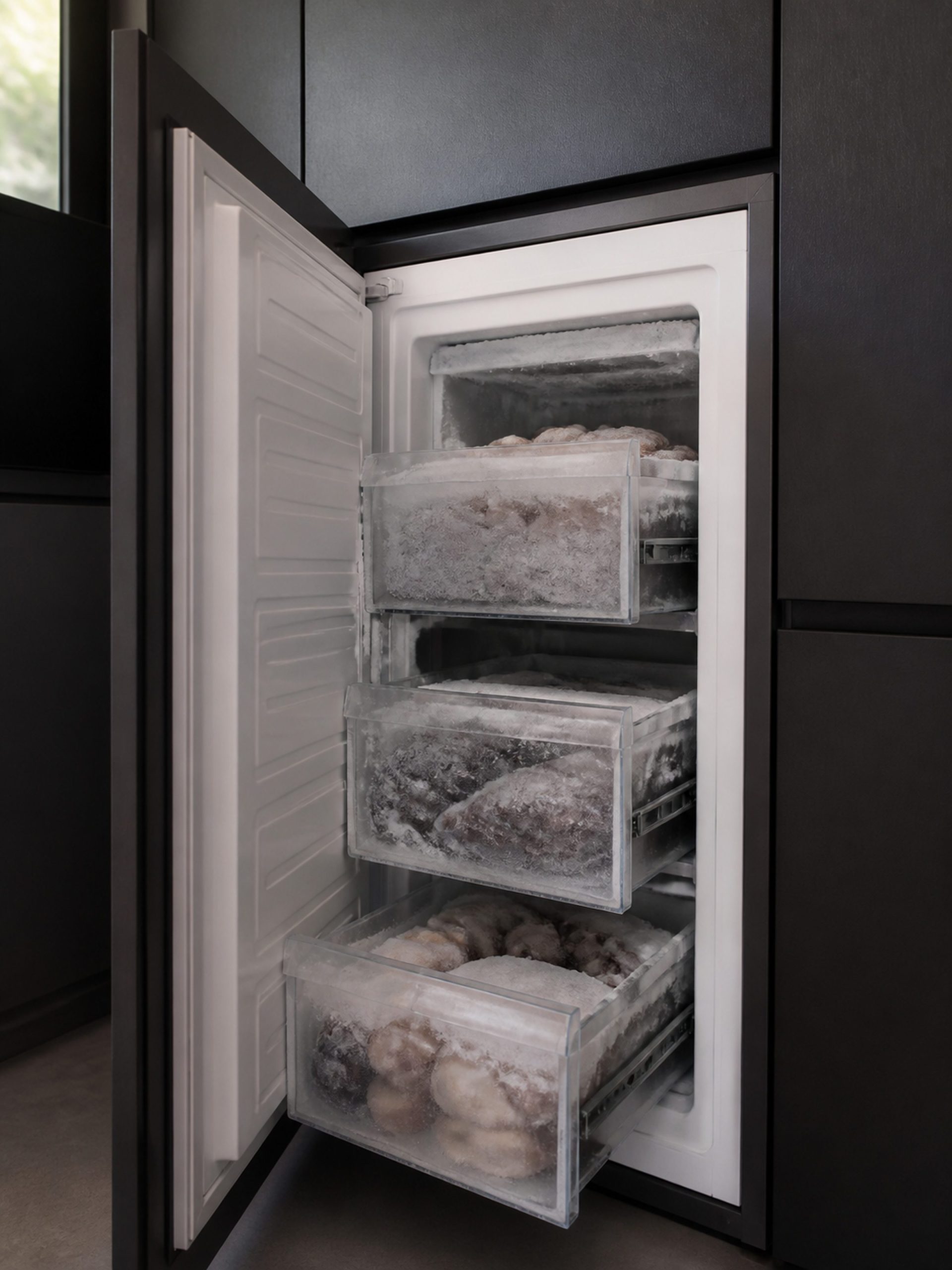
This make does not sell a standalone freezer, and that is worth saying plainly: the freezer here is the bottom drawer of a French-door cabinet, one column of a side-by-side, or a refrigerated drawer set to freeze. It is still the half people call about, because a freezer that stops is a freezer full of food.
- 12 symptoms we are called out to
- From $95 diagnostic, credited to the repair
- 59 cities and neighborhoods covered
- OEM parts available on order
The short version
What this equipment is, for a repair
Configurations
Freezer drawers · Bottom mount · Side-by-side · Ice build-up · Frost
Access
Planned before the visit, not discovered on arrival
Parts
OEM, available on order
Diagnostic
From $95, credited to the repair
What goes wrong with it
Symptoms we are called out to on KitchenAid freezers
Each one covers the likely causes in the order they are worth checking, and what to do in five minutes before booking anything.
-
A power outage message The display is showing PO
The message South Florida sees in waves, always a day or two after a storm. PO is not a failure and not a broken part — it is the cabinet telling you it lost power for long enough to get warm inside, and asking somebody to acknowledge that.
- PO flashing on the display after an outage
- An alarm tone you cannot silence
- Everything else looks and sounds normal
-
And the freezer is still cold Refrigerator not cooling
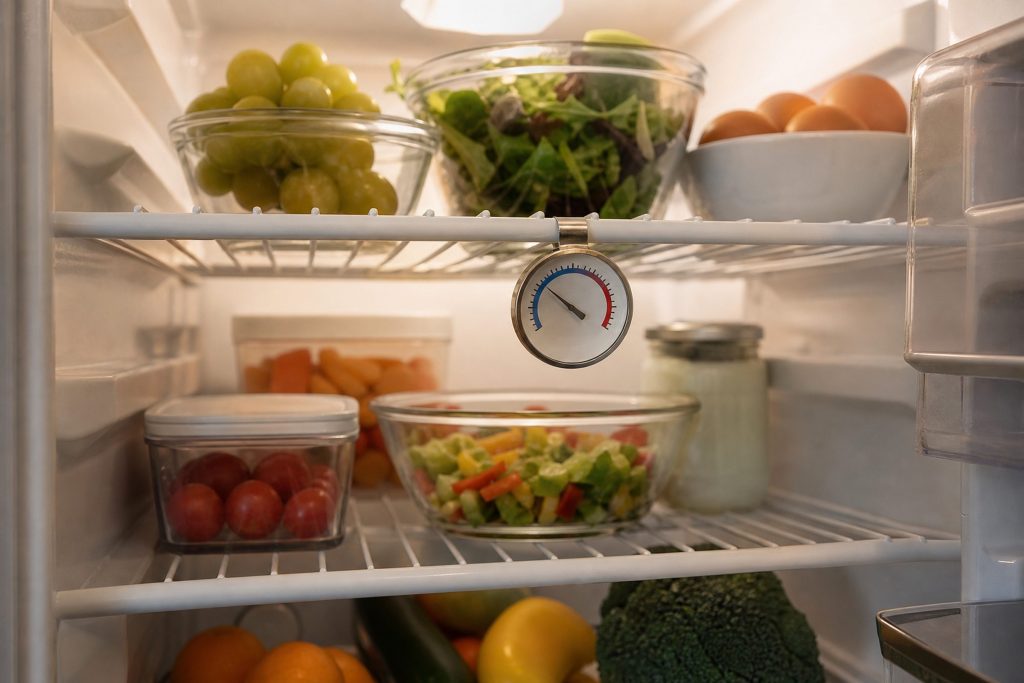
The most diagnostic sentence in this whole catalog is "the fridge is warm and the freezer is fine". In these cabinets the freezer does the cooling and air is moved into the fresh food side, so that combination almost always means air, not refrigerant.
- Fresh food side warm, freezer normal
- Both sides warm and the compressor running
- It got worse over a week rather than overnight
-
Too cold, not too warm The refrigerator is freezing everything
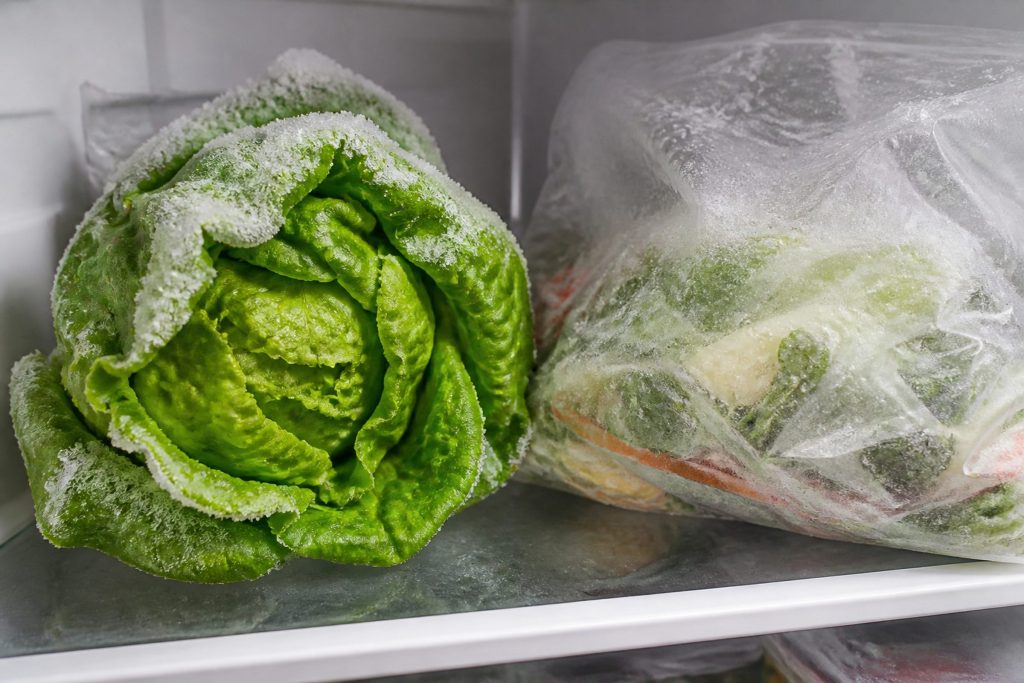
Lettuce with ice crystals in it and milk with a slush layer on top. Running too cold is a real complaint with its own short list of causes, and it is nearly always about where the air is going rather than about the setting on the panel.
- Ice crystals on food at the back of the shelf
- Drinks freezing in the fresh food section
- The freezer is over-freezing too
-
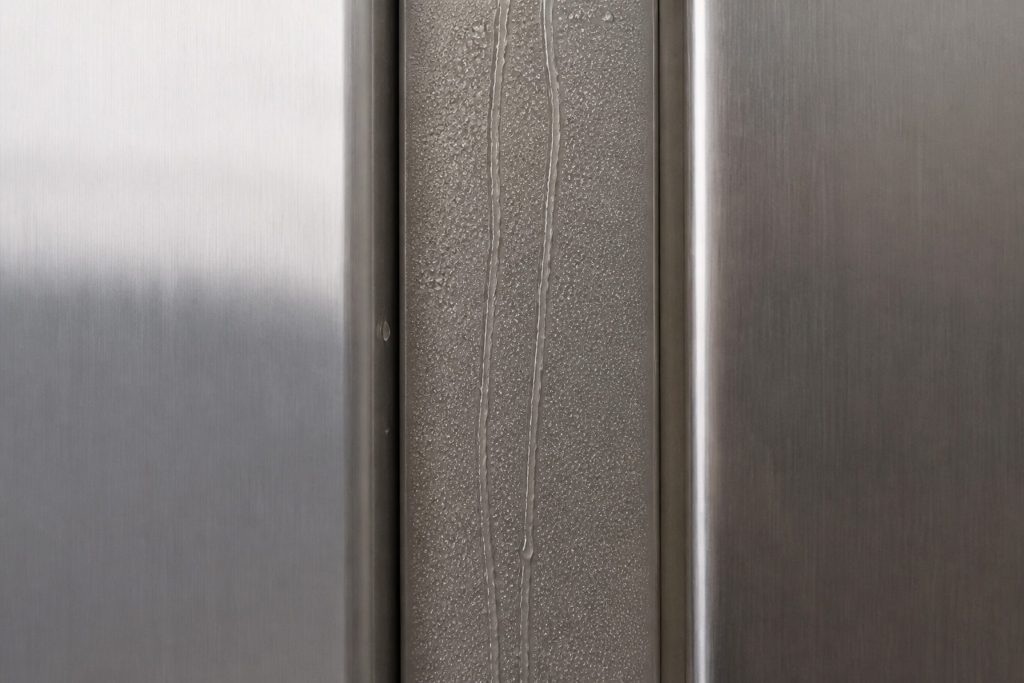
Often normal here in August The refrigerator is sweating
Moisture down the strip between the two doors of a French-door cabinet, or on the interior walls and food packages. In a South Florida summer the manufacturer itself calls a minimal amount of this normal — and names a switch to try before anybody replaces a gasket.
- A wet strip down the middle between the doors
- Condensation on interior walls or on packages
- Worst in August, and worse without air conditioning
-
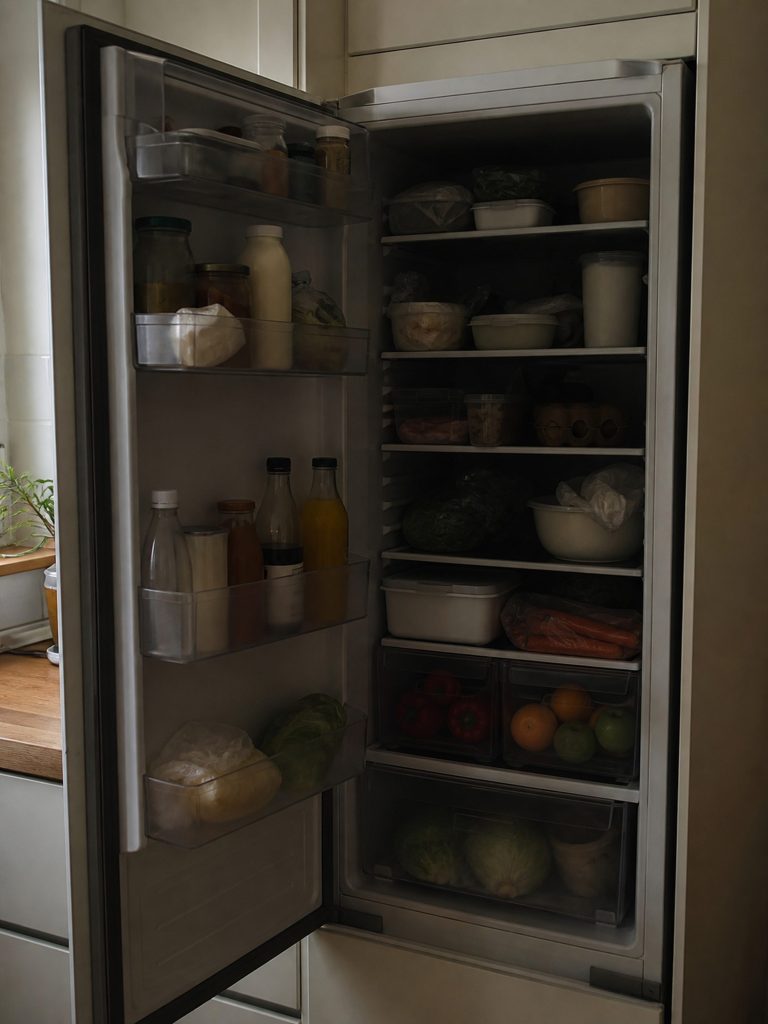
Dark cabinet, cold contents The lights inside have stopped
A cabinet that is cooling perfectly and is dark inside. It is a small complaint with a couple of large possibilities behind it, and the one thing worth knowing is that on these cabinets the light is not a bulb you change.
- The upper lights out, the lower ones fine
- All lights out and the cabinet still cold
- Lights out and the dispenser dead as well
-
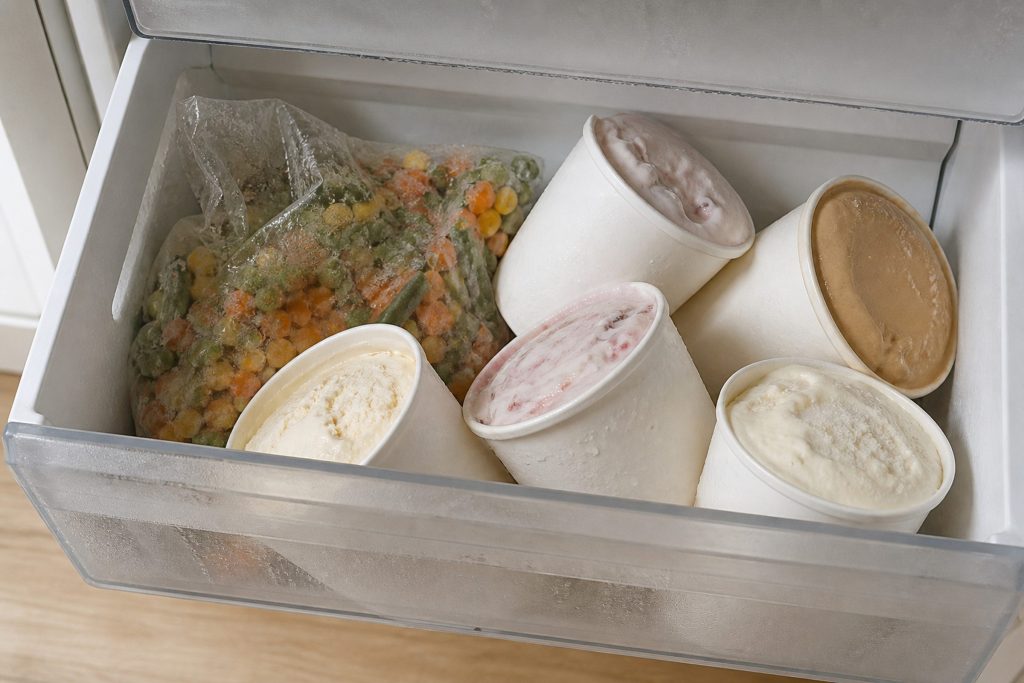
Soft ice cream, soft meat Freezer is cold but not freezing
A freezer holding somewhere around twenty degrees instead of zero is a different problem from one at room temperature, and usually a better one. It is still cooling and failing to keep up, and that narrows the list considerably.
- Ice cream soft, everything else borderline
- Frost on the walls and a compartment that will not hold
- The refrigerator side is fine
What we do on it
Repairs we carry out on KitchenAid freezers
Starting figures for this equipment in South Florida. The exact cost is confirmed after an on-site diagnostic — and this is not the whole list of what can go wrong, so call if your problem is not here.
-
from $95 Diagnostic visit
We read what the appliance is reporting — a code on a display, or the flashes on a dishwasher Clean light — then measure before saying anything about the repair. The fee is credited toward the work when you go ahead.
- The code read on site, including blink codes
- Measured rather than guessed
- Credited toward the repair
-
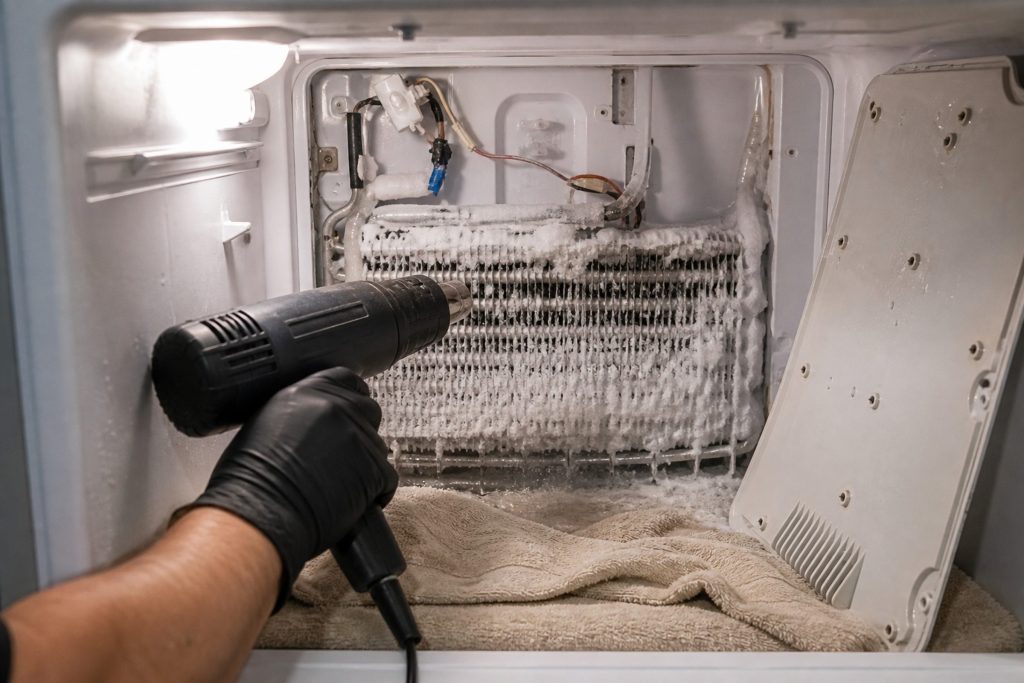
from $245 Refrigerator defrost & cooling repair
The fresh food side warm while the freezer is still cold. It is the most diagnostic sentence a caller can say, and it very rarely means what people fear it means.
- Defrost heater, thermostat and sensor tested as a circuit
- Evaporator fan and airflow proved before anything larger
- Coil de-iced and the cause dealt with, not just the ice
-
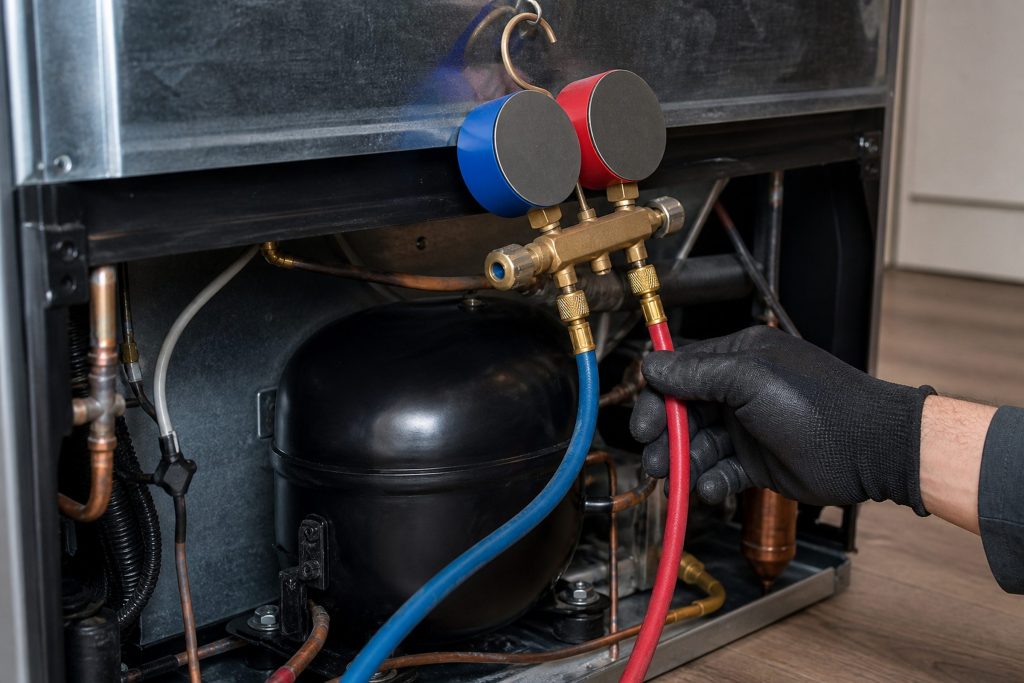
from $650 Sealed system & compressor repair
Refrigerant circuit work — the biggest repair on any cold appliance, and the one where the diagnosis matters more than the part. Everything cheaper is ruled out first, and if the job is not worth doing you will hear that on the visit.
- Everything cheaper ruled out before a circuit is opened
- Leak located and the drier replaced, not just a recharge
- Held at set point under load before we leave
-
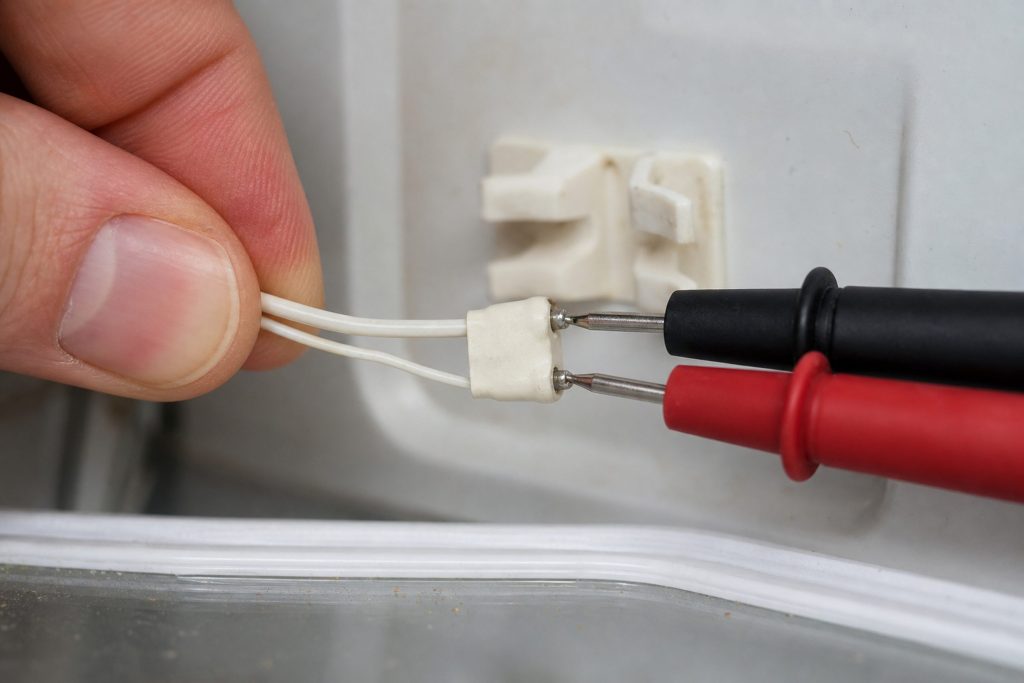
from $225 Refrigeration control & sensor repair
A cabinet that reads right and behaves wrong, one zone warm while the other is perfect, or a panel that has not been the same since the power came back. This is the electronics rather than the cooling.
- Thermistors read against their own curve, not by feel
- Power-outage notices and resets cleared properly first
- Board and panel proved separately before either is ordered
-
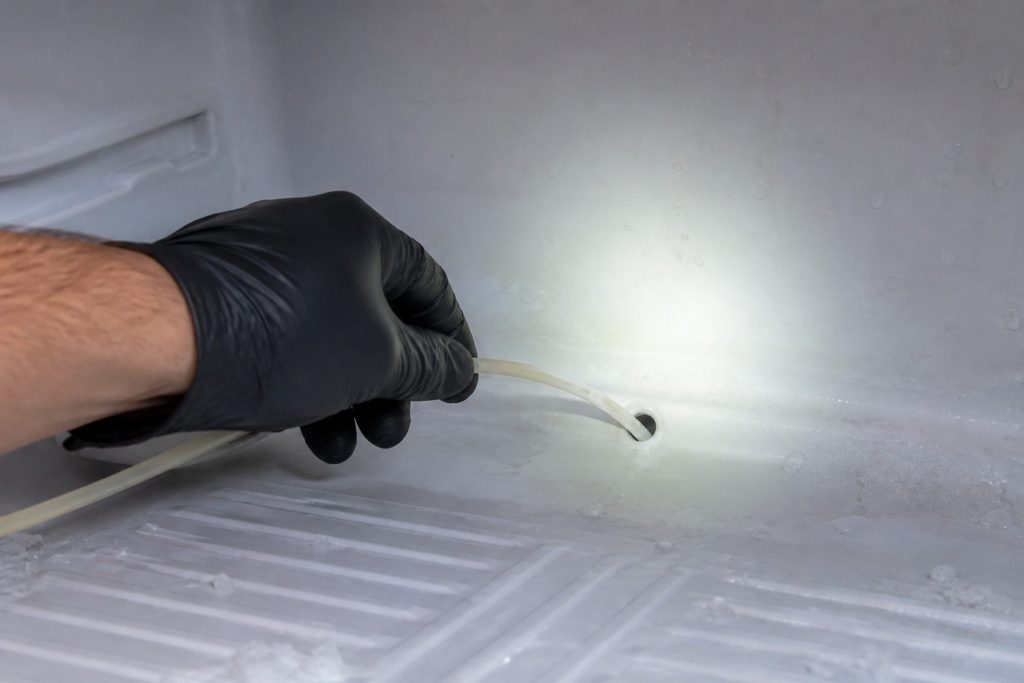
from $155 Freezer frost & drain service
Frost building on the walls, a sheet of ice under the drawer, or a drawer that will not close because something has frozen in its way. In a climate this humid it is the most common thing a freezer does, and it is nearly always fixable in one visit.
- Defrost drain cleared to the pan, not just chipped free
- Defrost circuit tested so it does not come back
- Seals and drawer closure checked with the frost
-
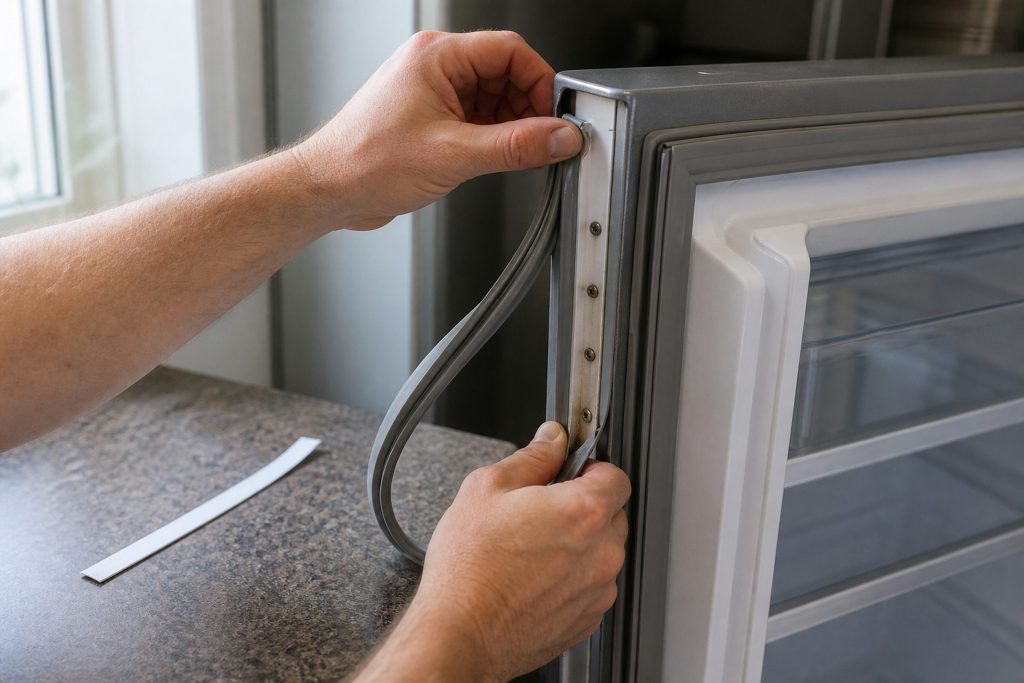
from $155 Door, gasket & alignment repair
A door that does not close square, a seal gone hard, a drawer that no longer runs true, or condensation on the inside of a glass wine cabinet door. The cheapest work on a cold appliance and the thing most often left too long.
- Seals replaced along the whole run and set, not patched
- Hinges, panels and drawer rails aligned with the doors on
- Condensation diagnosed before a gasket is blamed for it
-
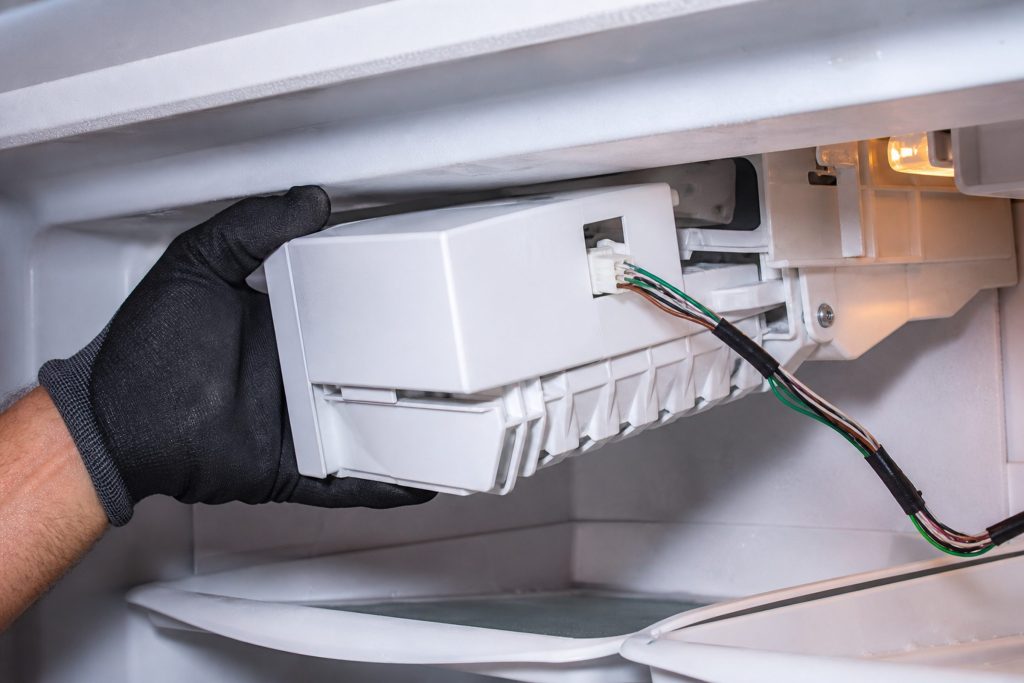
from $185 Ice maker fill & harvest repair
No ice, small ice, or cubes that form and refuse to let go. Two different appliances share this repair — the module inside a refrigerator and the undercounter machine that does nothing else — and knowing which one you have changes the visit.
- Water in, then harvest, then the module — in that order
- Frozen fill tubes cleared and the reason found
- Bin sensing checked before the ice maker is blamed
-
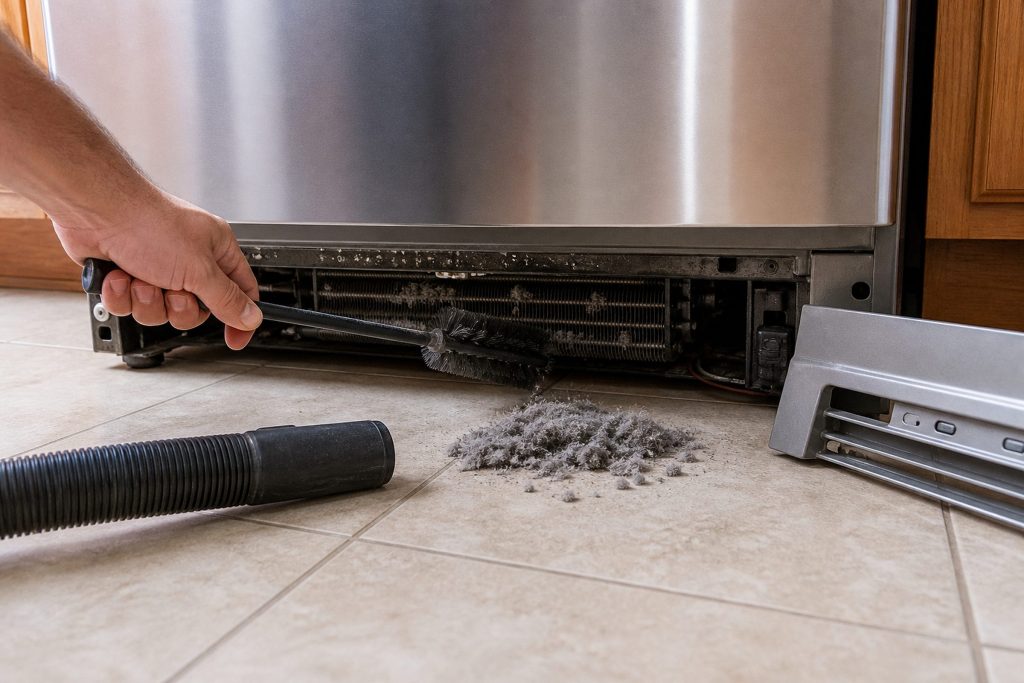
from $165 Appliance maintenance
A planned visit rather than an emergency one: filters, drains, coils, seals and ducts on whichever appliances you want looked at, in one appointment. Most of the expensive repairs on this list are prevented by an hour spent on this.
- Several appliances in one visit rather than one call each
- Filters, drains, coils, seals and ducts
- A written note of anything worth watching
-
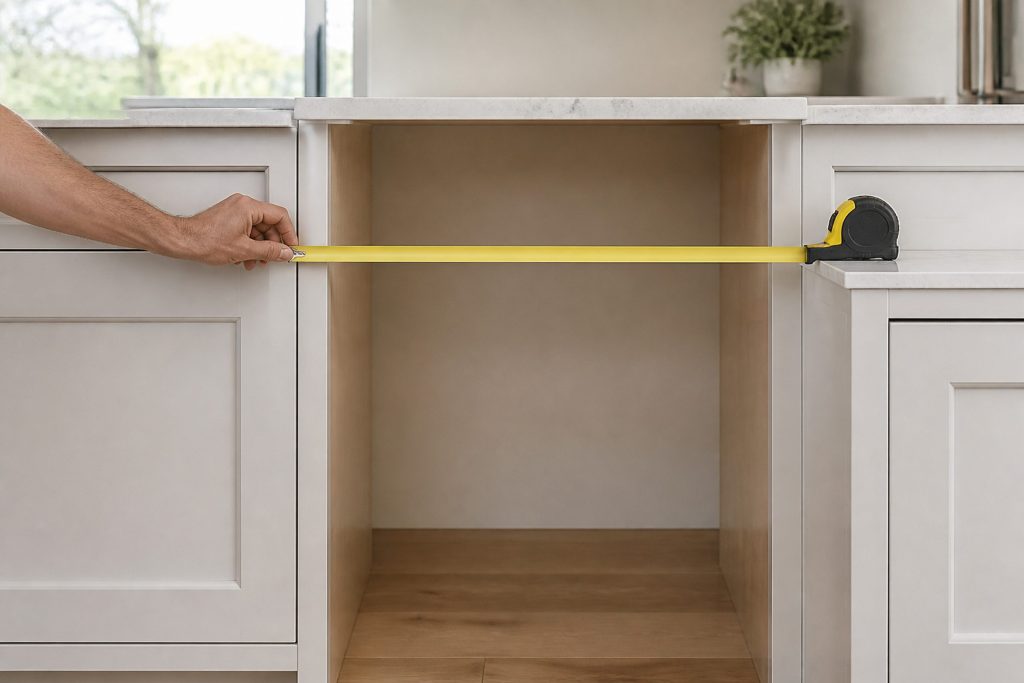
from $185 Appliance installation
Fitting a replacement into an opening that was built for something else — leveling, water, drainage, ventilation and the panel front. Most of what goes wrong in the first year of a new appliance is decided on the day it goes in.
- Leveled, sealed and connected, not just pushed into the gap
- Water, drain and ventilation checked rather than assumed
- The old appliance disconnected safely
In more detail
About KitchenAid freezers
Where the freezer actually is
On a French-door cabinet it is the lower drawer. On a side-by-side it is the left column, full height. On a bottom-mount it is the lower compartment, and on the undercounter units it is a drawer that can be set to freeze. There is no standalone KitchenAid freezer in the current line, so a page about one would be a page about somebody else's appliance.
What actually goes wrong
- The defrost system — heater, bimetal thermostat, or the control that runs them. The single most common cause of a freezer that frosts and then stops keeping up.
- The defrost drain, blocked, which is the sheet of ice under the drawer.
- The evaporator fan. No air moved, no cold delivered, even with a compressor running perfectly.
- Door and drawer seals, and drawers that are not closing because a basket or a bag of ice is fouling them.
- The sealed system, last, because it is the least likely and the most expensive, and because it should be reached by elimination rather than assumed.
Humidity is the local factor
Every time the drawer opens in a South Florida kitchen, the air that goes in carries water. That water becomes frost, and the defrost cycle has more to remove here than the same cabinet in a dry climate. It is why a seal that is slightly proud matters more here, and why frost is worth acting on early.
What to have ready when you call
The model number of the whole cabinet, whether the refrigerator side is still cold, and whether you can see frost on the back wall or ice on the floor.
This article is based on:
- Official manufacturer documentation
- Internal repair procedures
- Technician repair history
- Company quality standards
Before you book
Questions about KitchenAid freezers
Why is there frost in a frost-free freezer?
Because "frost-free" means the cabinet melts its own frost on a timer, not that frost never forms. When you can see it building, the defrost cycle has stopped doing its job — heater, thermostat, control — or warm damp air is getting in past a seal or a drawer that is not closing. Both are common here and they look identical from the front.
It is cold but not freezing.
Different problem from "not cold at all", and usually better news. A freezer that holds around twenty degrees rather than zero is generally still cooling and failing to keep up — a coil partly iced, a fan not moving air, a door not sealing. A freezer that is at room temperature with the light on is a sealed system or a compressor question.
How long is the food safe if it stops?
A full freezer that stays shut holds for roughly two days and a half-full one for about a day, and every opening costs hours. The practical advice is the boring one: keep it closed, and decide with a thermometer rather than by feel when it comes back.
There is ice on the floor of the freezer under the drawer.
That is almost always the defrost drain. Meltwater is meant to run out through a small tube to a pan by the compressor; when the tube blocks, the water freezes where it sits and builds a sheet under the drawer. It is a clearable job rather than a part, and it comes back if only the ice is removed and not the blockage.
Where we do it
Across Miami-Dade, Broward, and Palm Beach
Same terms everywhere we go: an on-site diagnostic first, the price agreed in writing, and the exact figure confirmed once we have seen the unit.
Neighborhoods people ask for by name