Maintenance & Prevention
KitchenAid Microwave Charcoal Filter Replacement: The Part Behind the Grille
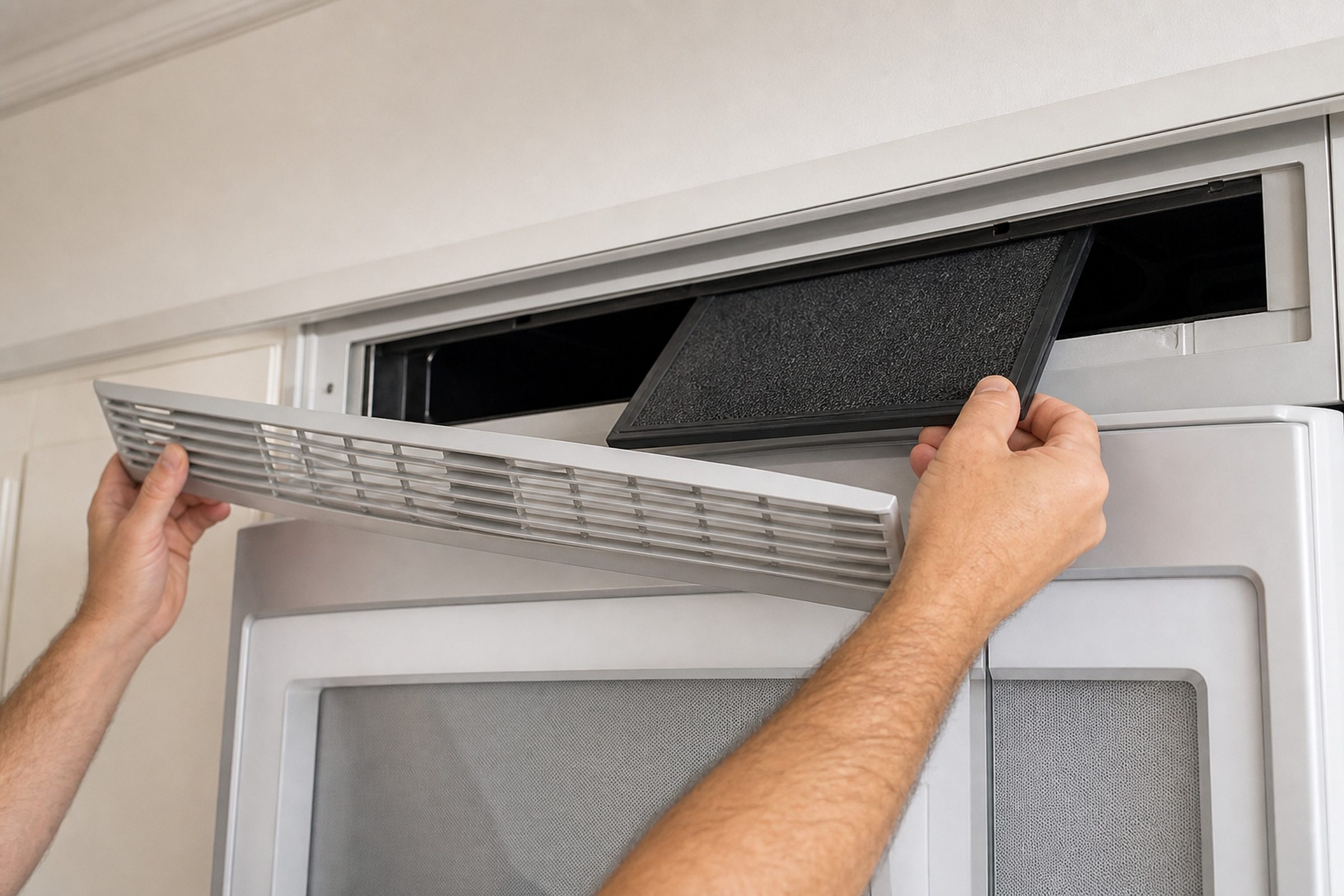
On a KitchenAid over-the-range microwave installed to recirculate, the charcoal filter sits behind the vent grille across the top of the front panel. Unplug the microwave, remove the two screws holding the grille — usually at the top edge of the cabinet face or just inside the top of the door opening — tilt the grille forward and lift it off its tabs, slide the old filter out of its slot, slide the new one in the same way up, and refit the grille. The filter is consumable and cannot be washed: charcoal removes odor by adsorbing it, and once the pores are full nothing brings them back. Replacing it roughly twice a year is a normal rhythm for a kitchen in daily use, and a hood that has stopped clearing smoke while the fan still sounds perfectly healthy is very often this part.
The full guide
KitchenAid microwave charcoal filter replacement, and why nobody knows about it
An over-the-range microwave is two appliances in one box. Above the cooktop it is your ventilation; at eye level it is your microwave. They share a cabinet, a control panel and a power cord, and they fail independently.
The ventilation half is where the surprise lives. If your microwave is installed to recirculate — to filter the air and give it back to the kitchen rather than sending it outside — there is a charcoal filter behind the vent grille across the top of the front panel. It is consumable. It has a life. Nothing on the panel mentions it, no light comes on, and a great many of these have never been changed since the day the unit was installed.
That is why a hood can quietly stop clearing smoke while the fan still sounds exactly as healthy as it did on day one. The blower is fine. The air is going through a filter that has nothing left to give.
First: does yours recirculate, or duct outside?
This single question decides whether the rest of the page applies to you.
Look above the microwave. Round or rectangular duct leaving the top or the back of the cabinet, heading into the wall, the ceiling or the cabinet above, means the unit ducts outside. Ducted installations do not have a charcoal filter, and there is nothing here for you to buy.
Air returning into the room through the grille at the top of the front panel means it recirculates, and there is a filter behind that grille.
In houses the answer is often ducted. In apartments and condo towers across Brickell, Aventura, Hollywood and Fort Lauderdale it is very often recirculating, because the duct route through the building was never the owner's to create. Many of these units can be configured either way at installation, which is why two identical model numbers on the same street can have different answers.
Replacing it
Ten minutes, one screwdriver, and nothing inside the cabinet gets opened.
- Unplug it. The cord runs to an outlet in the cabinet above the microwave. Pull it, or switch off the circuit.
- Remove the vent grille. Two screws hold it, either along the top edge of the cabinet face or just inside the top of the door opening. Take both out, tilt the top of the grille toward you, then lift it clear of the tabs along its lower edge.
- Photograph the old filter before it moves. Which way up it sat is the detail people lose, and it does have a correct orientation.
- Slide the old one out, sometimes past a single retaining clip, and slide the new one in the same way up.
- Write today's date on the frame with a marker. It is the only record that will ever exist of when this was done.
- Refit the grille on its lower tabs first, tilt it back, replace both screws, and plug the unit back in.
Order the filter against the microwave's model number, which is on a plate inside the door frame. Filters that look identical are cut to different sizes, and one that is close is one that lets air bypass it.
Do not go looking inside the cabinet. The charcoal filter is reached entirely from outside, and everything behind the case is out of bounds for good reason: there is a capacitor in there that can hold a dangerous charge long after the unit has been unplugged. Nothing on this page requires opening the case, and if a job seems to, that is the point to stop.
The other filters on the same appliance
Three filters get run together constantly, and telling them apart is most of the value of this page.
- The charcoal filter, this one. Behind the top grille, recirculating installations only, replaced roughly twice a year and never washed. It handles odor.
- The grease filters underneath. The metal mesh panels on the bottom of the microwave, over the cooktop. These are washable and want doing monthly — hot water, degreasing detergent, or the dishwasher's hottest cycle. They handle grease, and a loaded one restricts airflow and makes the fan louder.
- A refrigerator's water cartridge, which shares nothing with either except the word. That is a KAD or matching EDR part on a counter, and it has its own page here.
A hood with a spent charcoal filter and clean mesh sounds normal and does not clear the room. A hood with loaded mesh sounds strained and does not clear the room. Both are cheap. Neither is a repair.
When it is not the filters
Bring us in when the filters are genuinely fresh and one of these is true.
The fan does nothing at all. On a microwave-hood combination this is not a hood repair — the blower is part of the microwave, and the suspects are the fan motor, its control, or the board.
The fan or the light will not switch off. Usually the control or a thermostat above the cooktop that is telling the unit the range is still hot.
It runs, the plate turns, and food stays cold. That is the classic microwave failure and it is a real one. The turntable, light and fan run from ordinary household power while the heating comes from a separate high-voltage circuit, so everything can look perfectly normal with no heat at all. It is not an owner repair.
The panel is dark or the buttons do nothing. Worth checking whether control lock has been switched on by accident, which happens constantly on these panels, before anything else is assumed.
Independent KitchenAid service across Miami-Dade, Broward and Palm Beach. We are not affiliated with, authorized by or endorsed by any manufacturer.
If it turns out to be a repair
What this leads to, and what it costs
Every job on this site is priced the same way: an on-site diagnostic first, the figure agreed in writing before anybody starts.
-
Over-the-range · Built-in · Low profile · Microwave-hood combination · Countertop · Air Fry Microwaves
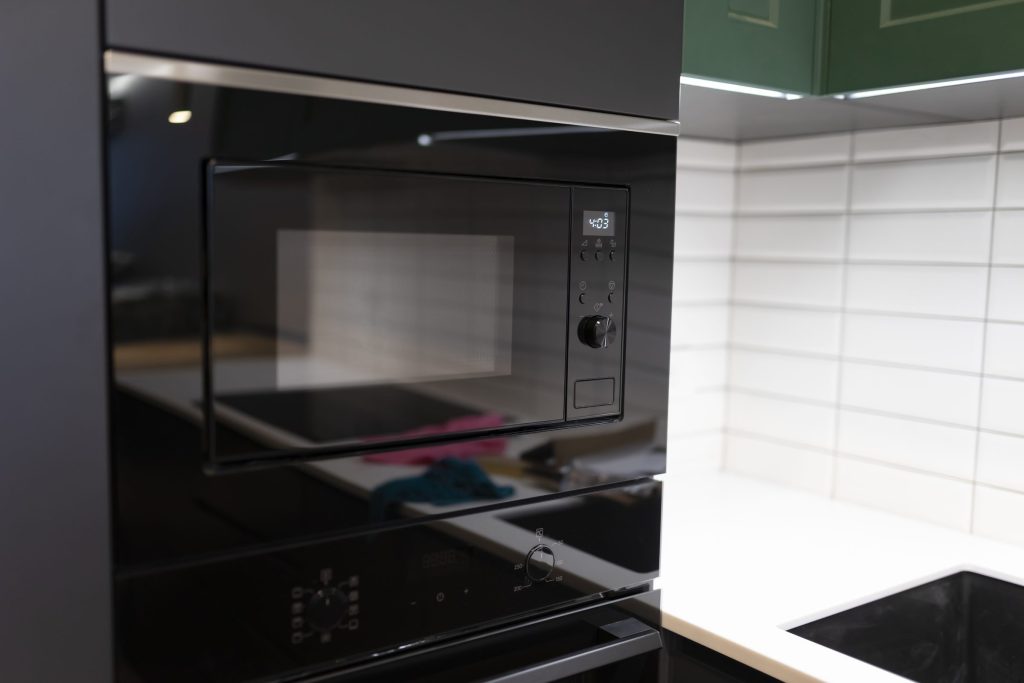
The appliance nobody thinks about until the light is on and nothing is hot. Over-the-range, built into a cabinet with a trim kit, or the microwave-hood combination that also ventilates your cooktop — and on that last one, a dead microwave means a dead hood as well.
- It runs, the plate turns, and the food stays cold
- Buttons that do nothing, or a panel that has gone dark
- The fan or the light staying on and not switching off
-
Wall-mount · Under-cabinet · Island · Commercial-Style · Custom liners · Retractable downdraft Range hoods and vents
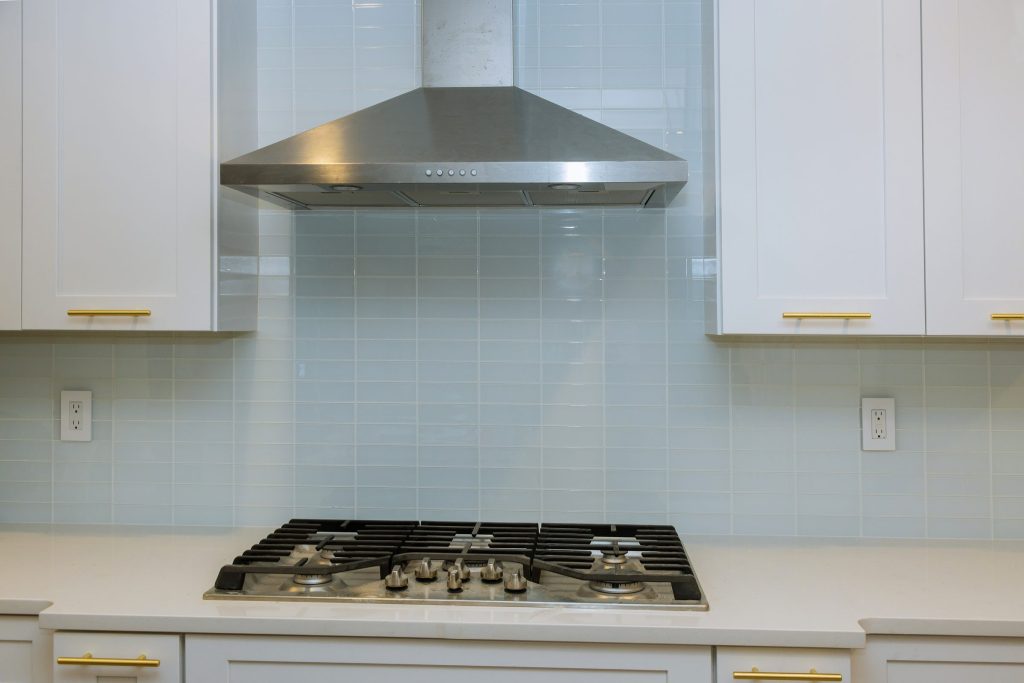
The appliance that gets attention only when it is silent, and the one whose maintenance is genuinely all an owner needs to do. Wall-mounted canopies, under-cabinet hoods, island hoods, insert liners for custom millwork, and the retractable downdraft that rises out of the counter.
- A fan that does nothing on any speed
- Lights working but no extraction, or the other way round
- A downdraft that will not rise, or will not go back down

Questions people ask about this
How do I replace the charcoal filter in a KitchenAid microwave hood?
Unplug the microwave, take out the two screws holding the vent grille across the top of the front panel, tilt the grille forward off its lower tabs, slide the old filter out of its slot, slide the new one in the same way up, and put the grille back. Ten minutes with one screwdriver, no other tools, and nothing inside the cabinet is opened. Order the replacement against the microwave's model number rather than by eye, because filters that look alike are cut to different sizes.
How do I know if my microwave even has one?
Only recirculating installations do. Look above the microwave: if there is round or rectangular duct leaving the top or the back and going into the wall or the ceiling, the unit vents outside and there is no charcoal filter. If the air comes back into the room through the grille at the top of the front panel, it recirculates and there is one. In apartments and condos the answer is very often recirculating, because there was never a duct route to use.
How often should the charcoal filter be changed?
Roughly twice a year for a kitchen that cooks daily, and once a year for lighter use, with your use and care guide as the authority for your model. There is no indicator light and nothing tells you when it is finished, which is why so many of these have never been changed at all. Writing the date on the frame with a marker when you fit one is the only record that will exist.
Can I wash a charcoal filter instead of buying one?
No, and it is worth understanding why so the advice sticks. Charcoal works by adsorbing odor molecules into a huge internal pore structure. When those pores are occupied the filter is finished, and washing simply fills them with detergent instead. Baking it, vacuuming it and soaking it all have the same result: a filter that looks fine and does nothing. This is the opposite of the metal filters underneath, which are meant to be washed.
The fan sounds normal but smoke hangs around. Is it the filter?
That is the classic symptom of a spent charcoal filter on a recirculating unit, and it is the single most likely explanation when the blower is clearly running at full speed. Check the grease filters underneath at the same time, because a grease-loaded mesh restricts airflow and produces a similar complaint with a louder fan. If both filters are fresh and the room still fills, the next suspects are the blower speed control and, on ducted units, a damper stuck shut.
Maintenance & Prevention
More guides like this one
-
How to Reset KitchenAid Refrigerator Water Filter Light, and Which Cartridge Is Yours
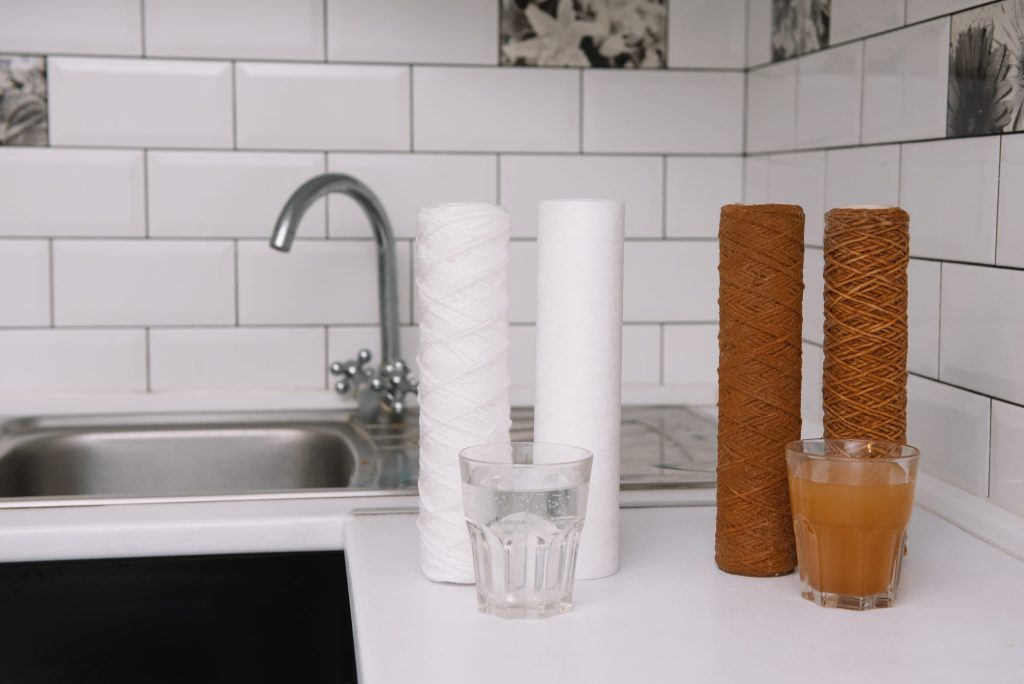
The light is a counter, not a sensor. It is not reporting anything about your water, and it will keep asking until somebody tells it the cartridge was changed.
Read more -
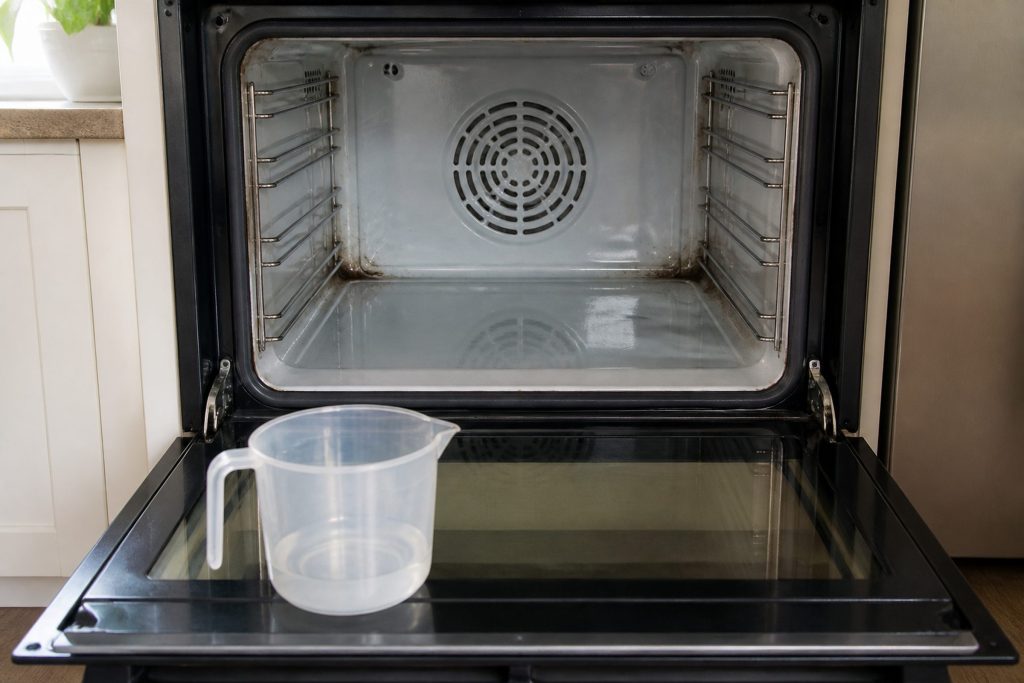
KitchenAid Oven AquaLift Self Clean or High Heat: Which One Do You Have?
One of these cycles runs at low temperature with water on the cavity floor and carries none of the risk of the other. It also will not shift what the other shifts, which is why people decide it is broken.
Read more -
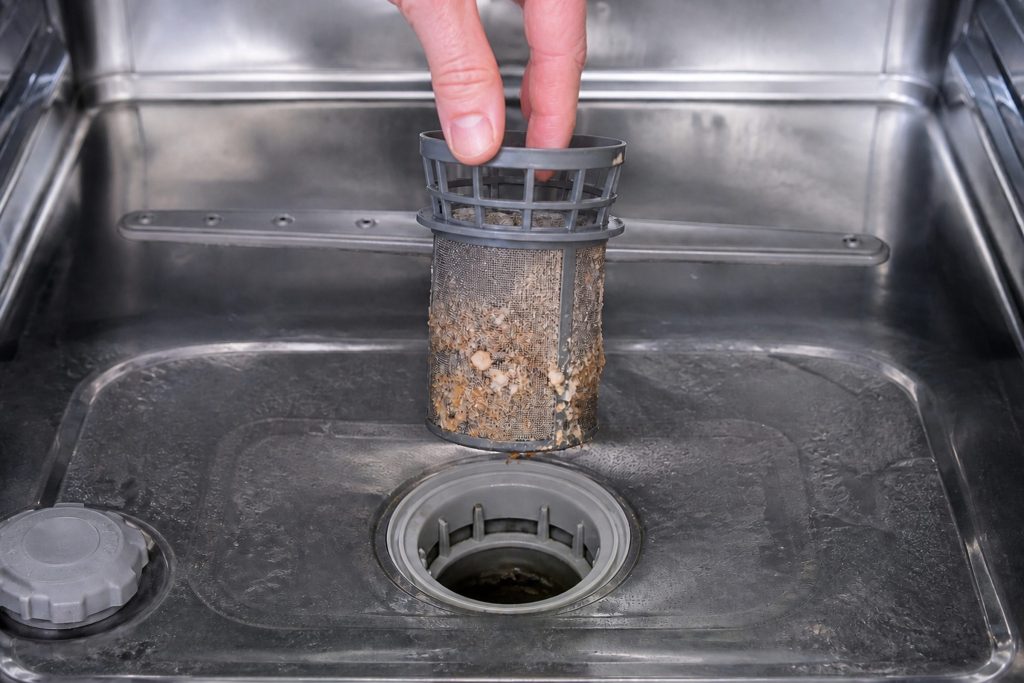
How to Clean KitchenAid Dishwasher Filter Screens — the Part Most People Don’t Know They Have
A large share of the not-cleaning calls we take end at the kitchen sink rather than with a part. The reason is simple: people who moved from an older machine with a hard food disposer have no idea there is a filter to take out.
Read more
Tell us the model number and what it is doing.
This article is based on:
- Official manufacturer documentation
- Internal repair procedures
- Technician repair history
- Company quality standards