Safety & Risks
Why Does My Oven Smell Like Burning Plastic? New Oven, or Not New
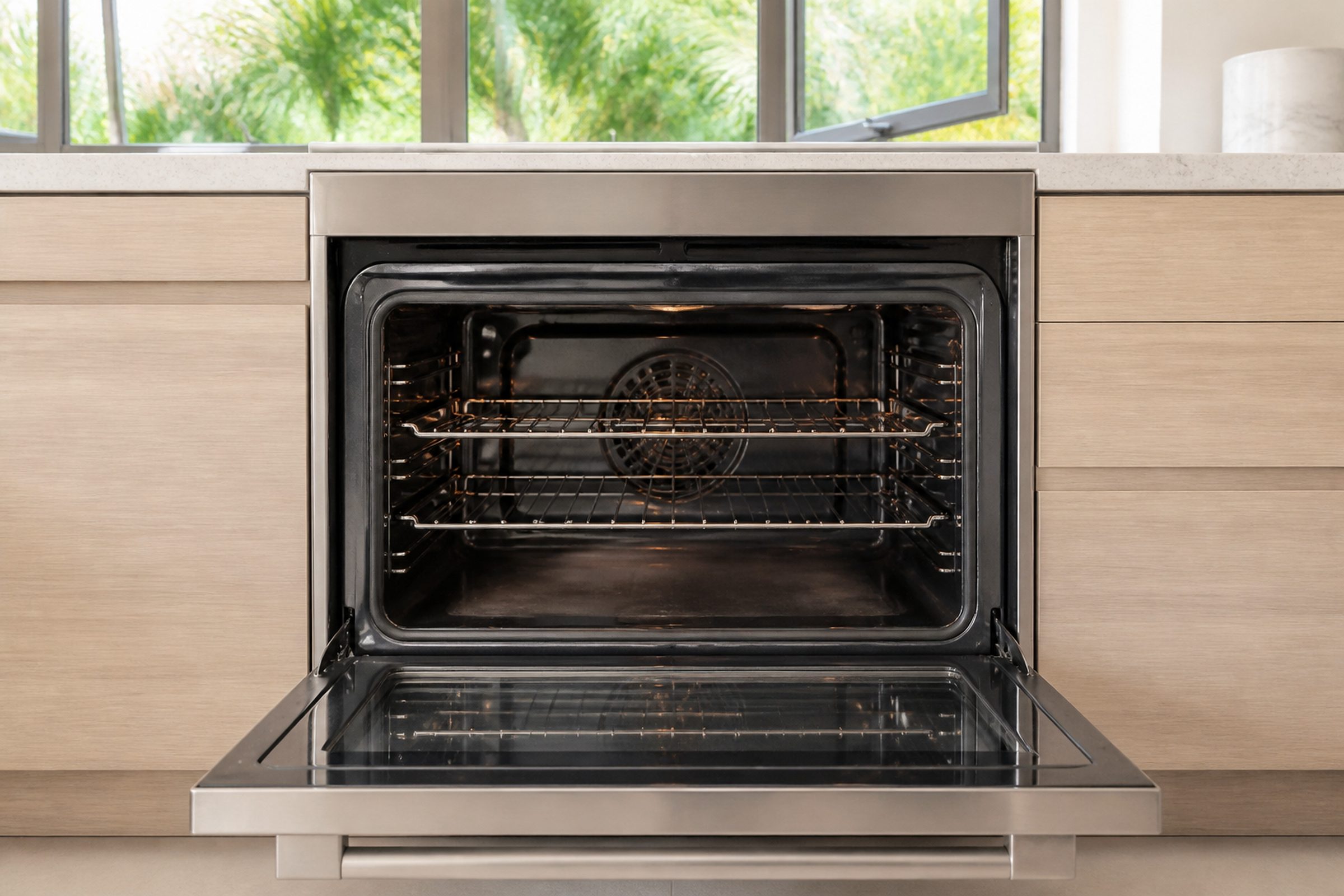
If the oven is new or newly installed, a plastic or chemical smell during the first few uses is manufacturing residue burning off the elements, the insulation and the protective coatings, and it clears after two or three hours of heat with the kitchen ventilated. If the oven has been in the kitchen for years and the smell has just appeared, it is not burn-off: it is insulation, wiring, a connector or a component getting hotter than it should, and the right move is to stop the oven, switch it off at the breaker and have it looked at before it is used again. Melting plastic that smells sharp and electrical, smoke, a hot outer panel, or a breaker that trips are all reasons to stop immediately.
The full guide
Why does my oven smell like burning plastic? Start with one question
Is the oven new?
That single question decides the whole answer, and it decides it cleanly. There is very little middle ground here, which is unusual and genuinely useful.
- New or newly installed, and this is the first handful of times it has been hot: the smell is manufacturing residue burning off, it is expected, and it goes away.
- In your kitchen for years, and the smell just started: the smell is something getting hot that was not getting hot before, and it is not something to cook through.
Everything below is those two answers in full.
If the oven is new: what is actually burning
Nothing is melting. What you are smelling is a mixture of things that were on the appliance when it left the factory and are now being heated for the first time.
- Protective oils and coatings on the bake and broil elements. Elements are shipped with a light film that keeps them from corroding in a warehouse. On first heat that film smokes off, and it smells sharply chemical.
- The insulation blanket around the cavity, curing. That is the one that reads most convincingly as burning plastic.
- Binder and adhesive residues on brackets, on the door gasket and on the liner.
- Packaging that was left behind. Genuinely common, and worth checking before anything else: a foam block under a rack, a cardboard shim inside the drawer, a strip of tape inside the door frame or on the back of a wall oven. If a piece of packaging is sitting on the element, the smell is a piece of packaging on the element.
What to do: open a window, run the extraction, and heat the empty oven to a high setting for about an hour. Let it cool, and do it again. Two or three hours of heat in total is enough to clear almost every new oven, and the smell falls off noticeably each time.
Keep birds out of the room while you do it — that advice is not about ovens specifically, it is about any burn-off in a kitchen, and it costs nothing to follow.
What not to do: cook the first meal in it before the burn-off, and then conclude that the appliance is defective because dinner tasted of it. It very often does. Run it empty first.
How long is "new"? Realistically the first two or three uses. If a brand new oven still smells strongly of plastic after four or five full-heat sessions, that has stopped being burn-off and becomes worth a call.
If the oven is not new: this is where the page changes tone
An oven that has been baking normally for three or eight years does not suddenly have manufacturing residue on it. Whatever was going to burn off burned off in the first month you owned it.
So a plastic or electrical smell appearing now means a component is running hotter than it was designed to, and the plastic you are smelling is real: wire insulation, a connector body, a terminal block, a fan motor's windings, or the plastic parts inside the control housing.
Stop the oven. Switch it off at the breaker. Then look at what you can see safely, without taking anything apart:
- Is anything smoking? Smoke is not a "watch it for a few days" symptom.
- Is the outer panel or the trim above the door unusually hot? A wall oven that is hot on the cabinet face has cooling that is not doing its job.
- Is the cooling fan running? These ovens run a fan that keeps going after the oven is switched off, sometimes for a long while. People often mistake that for a problem when it is doing exactly its job. The reverse — a cooling fan that has stopped — is a real cause of everything nearby getting too hot.
- Has the breaker tripped, now or recently?
- Is there a plastic item on or near the appliance that could be melting from the outside — a bag on the cooktop above a range, a container on the trim, a utensil that fell behind?
If the answer to any of the first four is yes, leave the power off and book it.
The specific smells, and what they usually mean
Sweet, chemical, plastic-like, on a new oven. Burn-off. Ventilate and repeat.
Sharp, acrid, electrical — "burning wires." Insulation on a conductor getting too hot. Most often a terminal block at the back of the appliance or an element connection where the wire meets the element, both of which get worse with every cycle. Stop.
Hot metal, with no plastic in it. Sometimes a rack coating, sometimes food debris on the element, and sometimes a bearing in a convection fan. Worth investigating rather than urgent, unless it comes with any of the signs above.
Burning after a self-clean. Expected during the cycle and for a while afterward, because the cavity has been taken far hotter than cooking ever takes it and everything inside has been reduced to ash. Ventilate. What is not expected is a smell that persists days later, or a door that is still locked long after the oven cooled — that is a latch problem and a common one after self-clean.
Burning after cleaning by hand. Usually cleaner or water that got into the element channel or behind the cavity liner. It burns off, but it should be a one-time event. AquaLift, this maker's low-temperature steam clean, puts water in the cavity floor and never gets hot, so it does not carry the high-heat risks a traditional self-clean does — and it also will not produce that smell.
What we actually check on an oven that smells
The diagnosis is about heat where heat should not be, so it is done with measurement rather than by opening things and looking for scorch marks.
The terminal block and the element connections come first, because that is where the majority of these end. Then the cooling fan and its airflow path, because an oven built into a tall housing depends entirely on that fan to keep the cabinet and the controls survivable. Then the oven temperature sensor, since a sensor reading low leaves the elements on longer than they should ever be on, and an oven that overheats quietly is an oven that eventually smells. Then the control board and the relays on it, which is where a board that is mis-driving the heat circuit shows up.
A wall oven usually has to come out of its housing for the back to be reached, and on a double or a combination unit that is two people and planned time rather than a surprise on the day.
The short version
New oven, plastic smell, first few uses: normal, ventilate, run it empty a couple of times, and it clears.
Older oven, plastic or electrical smell that has just appeared: switch it off at the breaker and have it looked at. An oven is a large amount of heat inside cabinetry, and a smell is the earliest warning it can give you.
We diagnose wall ovens, ranges and combination units across Miami-Dade, Broward and Palm Beach, and if the answer turns out to be a piece of packaging or a spill on the element, we would rather tell you that on the phone.
Independent appliance repair. We are not affiliated with, authorized by or endorsed by any manufacturer.
If it turns out to be a repair
What this leads to, and what it costs
Every job on this site is priced the same way: an on-site diagnostic first, the figure agreed in writing before anybody starts.
-
Single · Double · Combination microwave-oven · 24", 27", 30" · True Convection · Self-clean Wall ovens
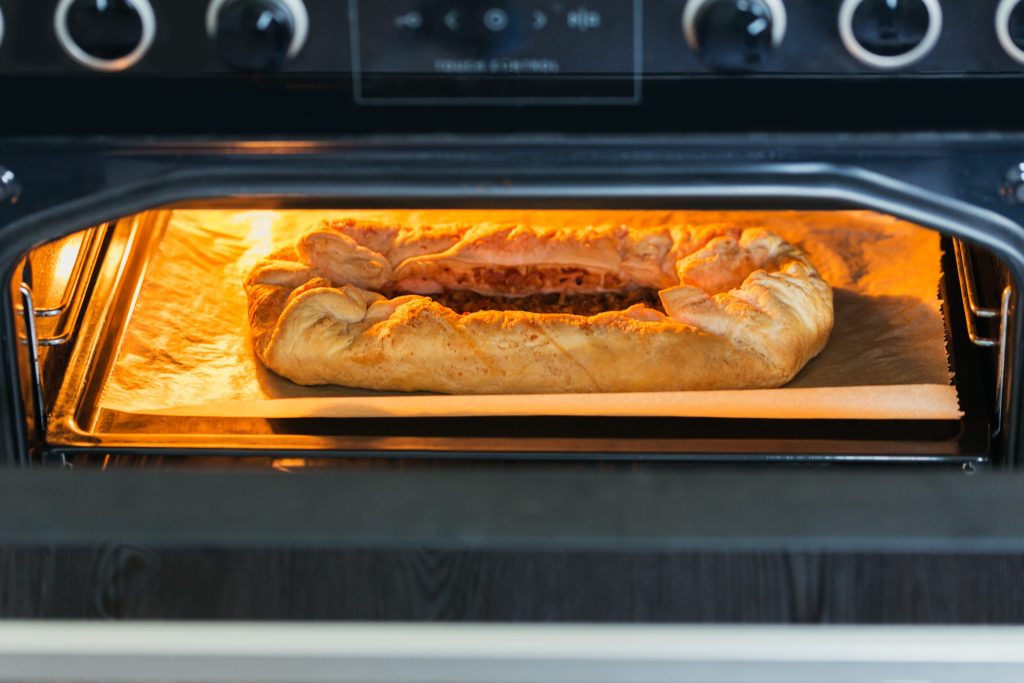
Built into a tall housing, surrounded by cabinetry, and heavy. A wall oven is the appliance where the access is a real part of the job — and the combination units, with a microwave above the oven, are two appliances in one opening that report separately and fail separately.
- An F code and a letter E on the display, with the oven refusing to start
- An oven that heats but never reaches the temperature it is set to
- A door locked after a self-clean, hours after it cooled
-
Commercial-Style · Slide-in · Freestanding · Double oven · Downdraft · Gas, electric, dual fuel, induction Ranges
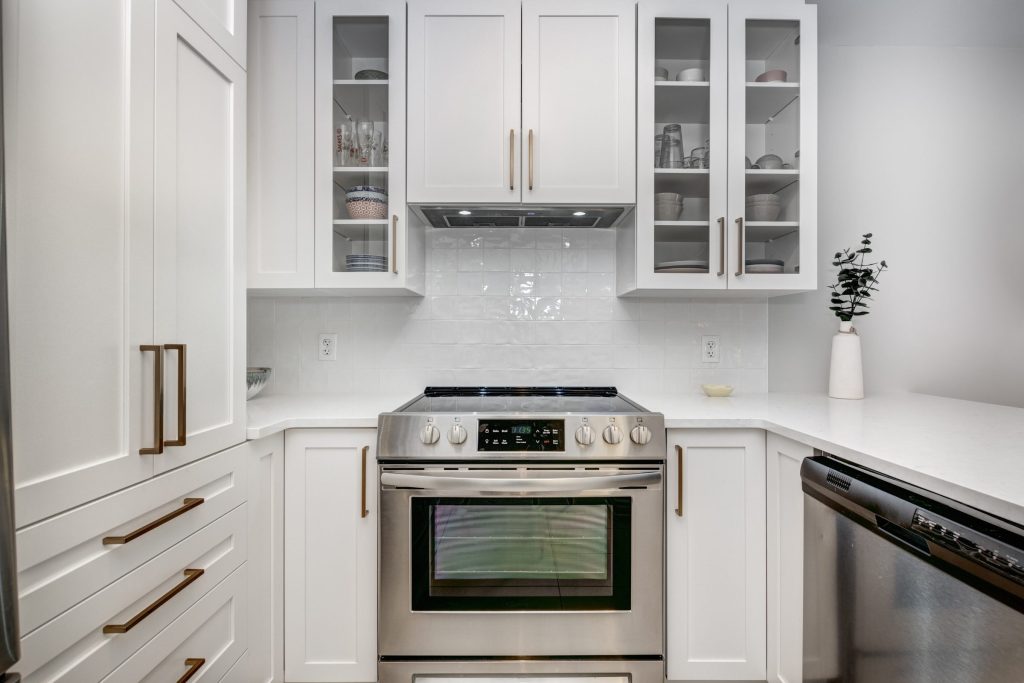
One appliance and two systems that fail independently. More than half of this maker's current ranges are the Commercial-Style machines — heavy, knob-controlled, gas or dual fuel or induction — and the rest are slide-ins and freestanding ranges, including a downdraft model with the ventilation built into the appliance itself.
- The oven not reaching temperature, or running far out
- A surface burner that clicks and never lights
- A door still locked hours after a self-clean
-
from $95 Diagnostic visit
We read what the appliance is reporting — a code on a display, or the flashes on a dishwasher Clean light — then measure before saying anything about the repair. The fee is credited toward the work when you go ahead.
- The code read on site, including blink codes
- Measured rather than guessed
- Credited toward the repair
Questions people ask about this
Why does my oven smell like burning plastic when I turn it on?
On a new oven, because protective coatings and manufacturing oils are burning off the elements and the insulation, and that smells sharply of plastic even though nothing is melting. On an oven that has been working for years, because something is getting hot that was not getting hot before — a wire, a connector, a fan motor or the insulation around them. New is normal, not new is not.
Why does my oven smell like burning when preheating and then stop?
Preheat is when the elements run at full power for the longest continuous stretch, so anything that only smells when it is very hot smells then. On a new oven that is exactly the burn-off pattern. On an older one, a smell that appears at preheat and fades once the oven cycles is worth a diagnostic, because it points at a component that is overheating only under full load.
Why does my oven smell like burning after cleaning?
After a self-clean, a strong smell is expected while the cycle runs and for a while after, and it should be ventilated. After cleaning by hand, the usual cause is cleaner or water that ran down into the element channel or behind the liner and is now burning off. AquaLift is a low-temperature steam cycle and does not produce the high-heat smell that a traditional self-clean does.
Why does my oven smell like burning wires or burning metal?
A sharp electrical smell, often described as hot metal or burning wires, is different from the sweet plastic smell of burn-off, and on any oven of any age it means stop. It is the smell of insulation on a conductor getting too hot, most often at a terminal block or an element connection, and those get worse rather than better.
My KitchenAid dishwasher smells like burning plastic. Same answer?
No. On a dishwasher the usual cause is something plastic that has slid down onto the heating element in the tub floor — a lid, a measuring cup, a utensil — and it should be found and removed rather than run again. If nothing is touching the element and the smell persists, that is a service call, not a cleaning problem.
Safety & Risks
More guides like this one
-
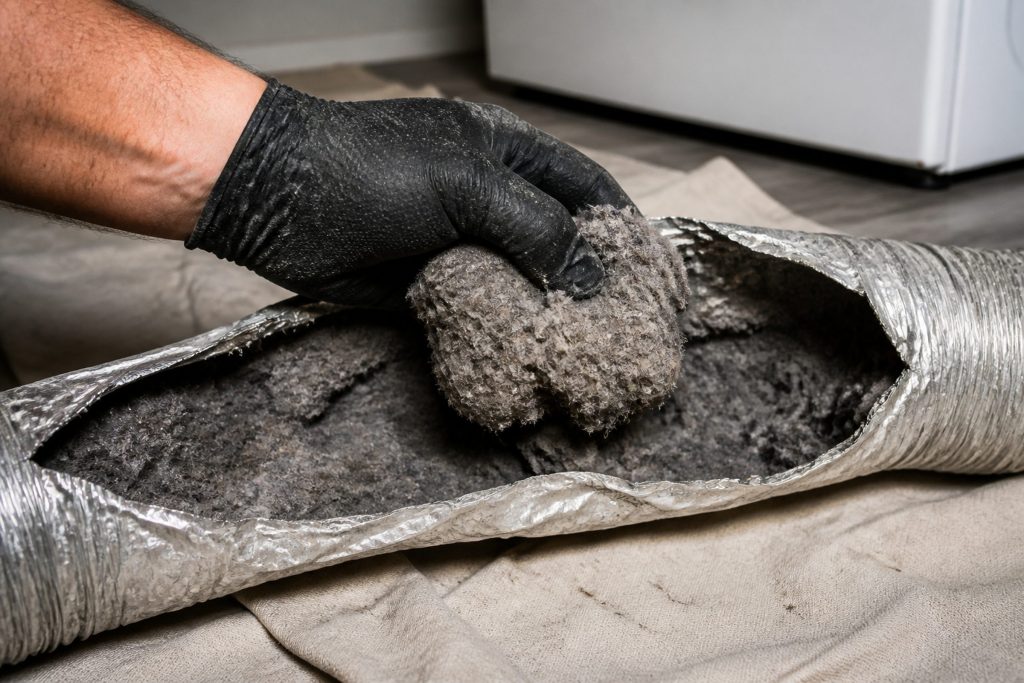
A KitchenAid Dryer Thermal Fuse That Keeps Blowing Is Telling You About the Duct
The part costs very little and the message matters a great deal. A thermal fuse blows because the machine ran too hot, and it ran too hot because the heat could not get out. Replacing the fuse without clearing the duct is putting out the warning light on a machine full of lint.
Read more -
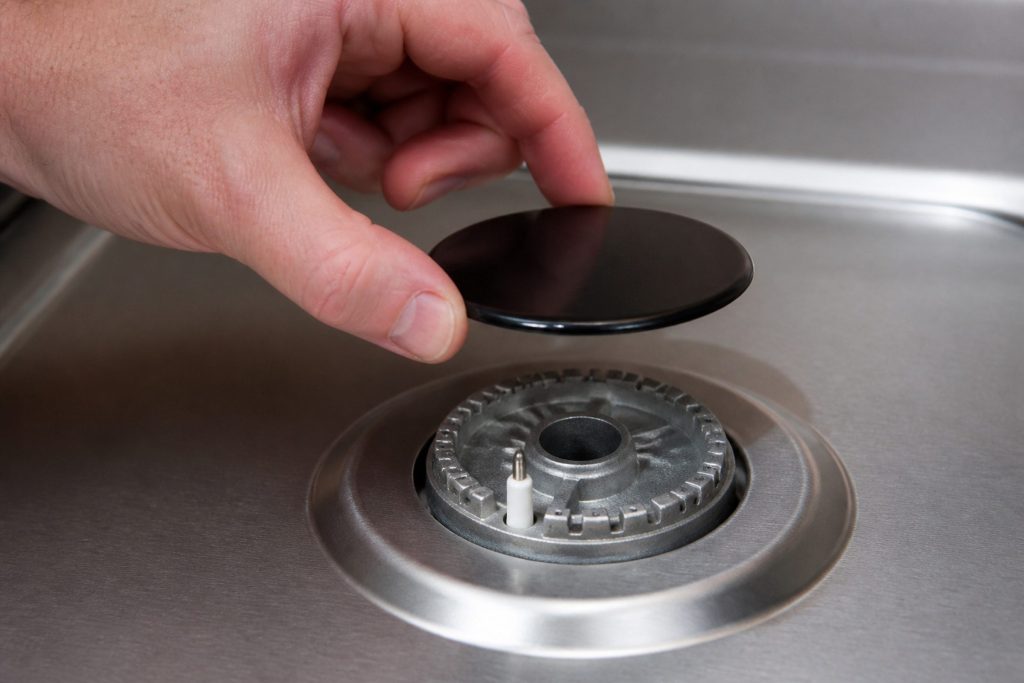
KitchenAid Burner Not Igniting: It Clicks, Gas Is Flowing, and When to Stop Trying
The clicking is the cooktop trying to light gas that is already flowing. There are two checks worth doing, both free and both at the burner itself — and then there is a hard line: any smell of gas and this stops being a repair question.
Read more -
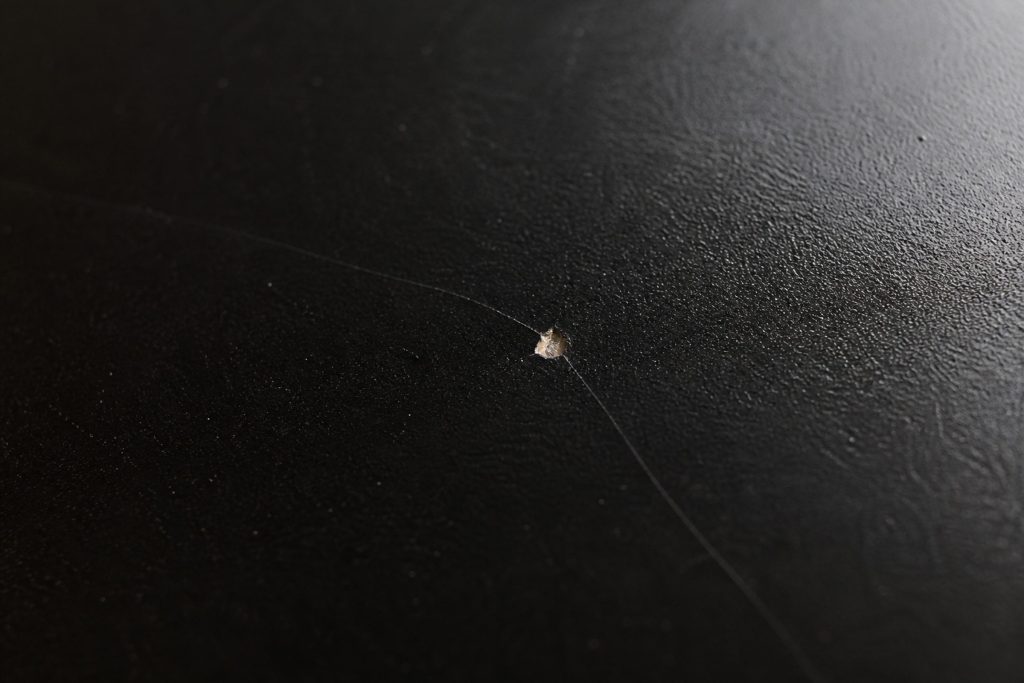
Can a Cracked Glass Stove Top Be Repaired? No — Switch It Off at the Breaker
The answer is no, and this page says so in the first line because a cracked ceramic or induction surface is a live surface with a path to water and to your hand. Everything after that is the replacement, the cost, and what cracks these tops in the first place.
Read more
Tell us the model number and what it is doing.
This article is based on:
- Official manufacturer documentation
- Internal repair procedures
- Technician repair history
- Company quality standards