Safety & Risks
KitchenAid Burner Not Igniting: It Clicks, Gas Is Flowing, and When to Stop Trying
A gas burner that clicks and will not light is sparking normally while something stops the flame from catching, and the two causes worth checking yourself are a burner cap and head that are wet or seated crooked after a boil-over, and a burner port that is blocked with spilled food. Switch the knob off, let the cooktop cool, lift the cap and head off, dry them completely, clear the ports with a straightened paperclip rather than a toothpick, and refit them square. If the burner still will not light, or if the clicking continues with every knob off, it needs service. If you can smell gas at any point, stop: turn the knobs off, do not use a switch or a phone in the room, open a door, leave, and call your gas utility or 911 from outside.
The full guide
A KitchenAid burner not igniting: what the clicking actually means
That clicking is an electrode firing a spark, several times a second, next to a burner where gas is already flowing. The knob opened the valve at the same moment it started the spark.
Which means the situation is not neutral. It is not an appliance sitting there failing to do something — it is an appliance releasing gas into your kitchen and repeatedly failing to light it.
That is why this page has a stopping point in it, and why the stopping point comes before the parts.
Two checks are worth doing yourself. Both are free, both are at the burner, and between them they end most of these. After that, the answer is a technician rather than another attempt.
First: turn the knob off
If a burner has clicked more than a few seconds without lighting, switch the knob off and wait a minute before trying anything, including trying again.
Unlit gas has been going into the room for as long as the clicking has been going on. A minute of the burner off, with a window open or the hood running, clears it. Repeatedly cycling the knob while you investigate does the opposite.
Check one: the cap and the head, after a boil-over
This is the single most common cause and it is almost always a recent spill.
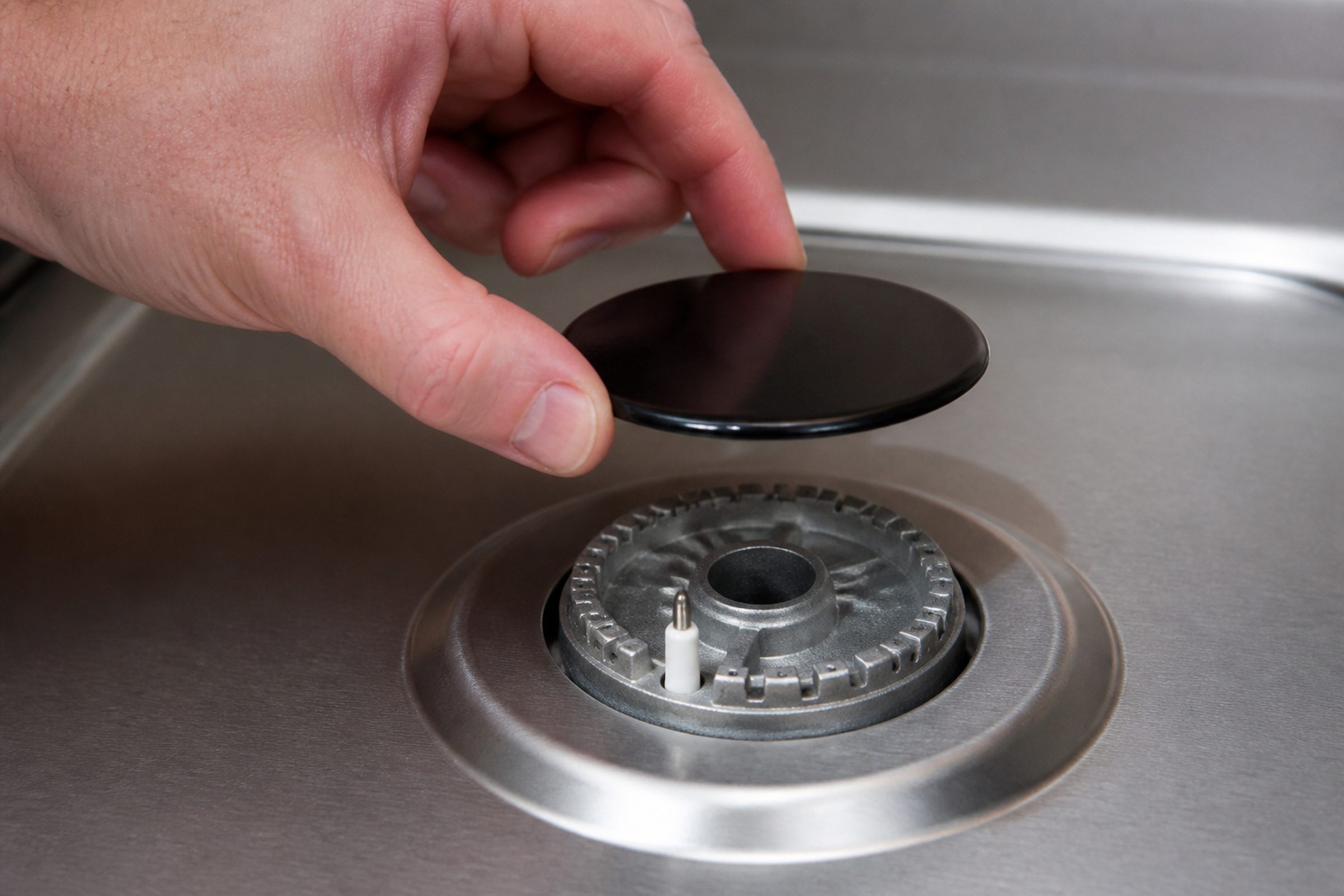
On a sealed gas burner there are two removable pieces: the cap, the flat disc on top, and the head or ring underneath it with the flame ports around its edge. Both lift off when the cooktop is cool.
What goes wrong:
- They are wet. Water in the ports, water under the head, water around the electrode. The spark cannot cross a wet gap reliably, and the flame cannot spread around a ring full of liquid.
- They are seated crooked. After a wipe-down or a spill it is easy to set the cap back a few millimeters off. A cap that is not square changes where the flame sits relative to the electrode, and the burner either will not light or lights on one side only.
- They are on the wrong burner. On a cooktop with different burner sizes, the caps are not interchangeable, and they get swapped when everything comes off for a clean.
What to do: cooktop cool, lift both pieces off, dry them completely — a towel, then air, and give it a few hours if a lot of liquid went in. Dry the burner base and the electrode too. Then refit the head first, sitting flat in its locating pins, and the cap on top of it square.
Check two: the ports
Look at the ring of small holes around the burner head. Every one of them should be open.
Spilled food bakes into those ports and closes them, and a burner with several blocked ports will not carry flame around the ring even when the electrode is sparking perfectly.
Clear them with a straightened paperclip or a thin piece of stiff wire. Not a toothpick, which snaps off inside a port and makes the problem permanent. Not a drill bit or anything that can enlarge the hole, because port size is what sets the flame. Then rinse and dry the head completely before it goes back on.
While the parts are off, look at the electrode: a small ceramic post with a metal tip, next to the burner. It should be clean, dry and intact. A cracked ceramic body or a tip coated in carbonized spill is a real cause of a burner that clicks and never lights, and it is a part rather than a cleaning job.
The hard line: any smell of gas
Everything above assumes you cannot smell gas. If you can, none of it applies.
Do this instead, in this order:
- Turn every knob to off.
- Do not touch a light switch, an extractor, a doorbell, an appliance or your phone in that room. Every one of them can produce a spark, and that is the entire hazard.
- Open a door or a window on your way past, if it is on your way.
- Get everyone out of the house.
- Call your gas utility's emergency line, or 911, from outside — a neighbor's house, the sidewalk, your car.
- Do not go back in until somebody whose job it is tells you it is safe.
That is not a repair procedure and we are not the right first phone call for it. A repair company comes after the supply has been made safe, not instead of it.
The same applies if the clicking is continuous with every knob in the off position and you cannot stop it: cut the power to the cooktop at the breaker. That stops the sparking. It does not stop gas, which is why the smell test still governs.
When it is not the burner at all
Three patterns point past the two checks above.
No burner on the top will light, and none of them spark. Look at power first — the breaker for the cooktop, and on a slide-in range the outlet behind it. A gas cooktop still needs electricity for its spark module.
They spark but nothing lights, anywhere on the top. That points at gas rather than ignition: a supply valve not fully open, or work done on the line recently. If the range was just moved or installed, the shut-off behind it is the first thing to look at.
One burner sparks and lights, then goes out when the knob is released. On appliances with flame supervision, that is the safety device deciding it cannot see a flame — a thermocouple or flame sensor, and a service call.
The related clicking that is not the cooktop
Two searches land on this page from a different appliance, and both deserve a straight answer.
A KitchenAid refrigerator making a clicking noise is not an ignition problem — there is nothing to ignite. Repeated click, hum, click from the back of the cabinet with temperatures rising is a compressor that is trying to start and stopping, which is very often the start relay rather than the compressor itself, and a far smaller part. It is worth acting on early.
A microwave that sparks inside is a different hazard again: metal in the cavity, a chipped or dirty waveguide cover, or a damaged interior coating. Stop the microwave, take out anything metal, and if it sparks with an empty clean cavity, stop using it.
Booking it
If the caps are dry and square, the ports are clear, the electrode is clean, and the burner still clicks without lighting, the remaining candidates are the electrode and its lead, the spark module, the switch inside the knob, or the burner valve. Those are told apart by testing rather than by replacing in turn.
We work on sealed gas burners, gas-on-glass, Commercial-Style ranges and dual-fuel across Miami-Dade, Broward and Palm Beach. Tell us on the phone whether one burner or all of them are affected, and whether there has been a spill — that one sentence often decides what comes on the van.
Independent appliance repair. We are not affiliated with, authorized by or endorsed by any manufacturer.
If it turns out to be a repair
What this leads to, and what it costs
Every job on this site is priced the same way: an on-site diagnostic first, the figure agreed in writing before anybody starts.
-
Gas · Gas-on-glass · Electric radiant · Induction · Downdraft · 15", 30", 36" Cooktops
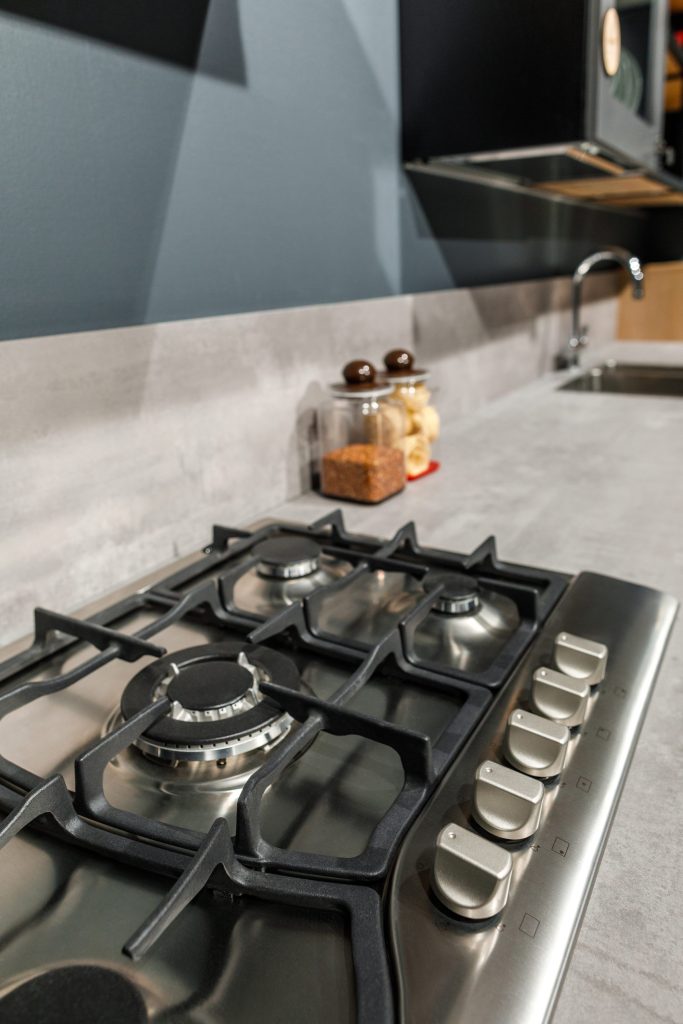
Four different appliances under one word. Gas with sealed burners, gas on a glass surface, electric radiant under ceramic, and induction — plus the downdraft versions of two of them, with a blower built into the counter. What has gone wrong is usually obvious once you know which one you are standing in front of.
- One zone or one burner dead while the rest work
- A surface that beeps or shuts a zone down on its own
- A cracked or chipped glass top
-
Commercial-Style · Slide-in · Freestanding · Double oven · Downdraft · Gas, electric, dual fuel, induction Ranges
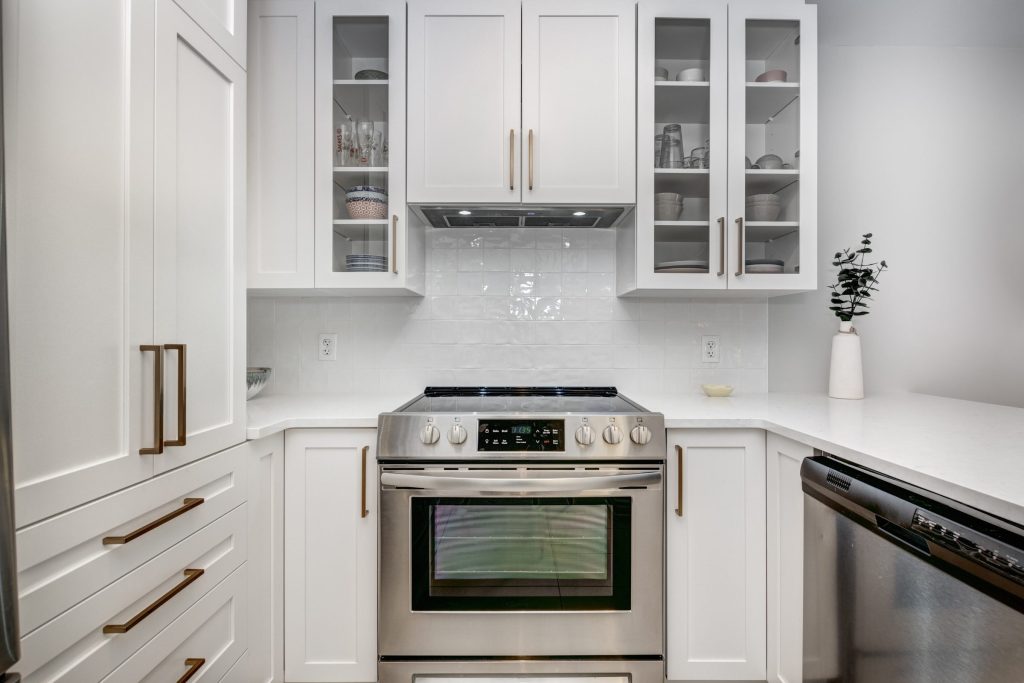
One appliance and two systems that fail independently. More than half of this maker's current ranges are the Commercial-Style machines — heavy, knob-controlled, gas or dual fuel or induction — and the rest are slide-ins and freestanding ranges, including a downdraft model with the ventilation built into the appliance itself.
- The oven not reaching temperature, or running far out
- A surface burner that clicks and never lights
- A door still locked hours after a self-clean
Questions people ask about this
Why does my KitchenAid gas stove keep clicking?
Because the spark module is being told the burner is not lit. That happens for two reasons: a burner is genuinely trying to light and failing, or a switch inside a knob is stuck or wet and is calling for spark that nobody asked for. Continuous clicking with every knob in the off position is the second one, and it is a service call rather than a cleaning job.
Why does my KitchenAid cooktop keep clicking after the burner lights?
Usually moisture. The spark module keeps firing until the flame is detected, and a wet cap, a wet electrode or water that ran under the burner head after a spill keeps it from seeing the flame. Dry everything thoroughly, including under the head, and give it a few hours if a lot of liquid went in. Clicking that continues on a dry cooktop needs the electrode and the module looked at.
One burner will not light and the others do.
That is good news, because it rules out the gas supply and usually the spark module. Take the cap and head off that burner, check they are dry and seated square, and look at the electrode for cracks or soot. If everything else on the top sparks and this one does not, it is that burner's electrode or its wire far more often than the board.
My oven igniter keeps clicking. Is that the same thing?
No. A gas oven cavity does not usually use a clicking spark electrode — it uses a glow-bar igniter that heats until it draws enough current to open the gas valve, and a weak one leaves the oven cold with no clicking at all. Clicking that seems to come from the oven is usually a surface burner switch or a relay in the control, and it should be diagnosed rather than lived with.
I can smell gas. What do I do?
Stop reading and act. Turn every knob off. Do not operate a light switch, an extractor, an appliance or a phone in that room, because any of them can produce a spark. Open a door or a window on your way out, get everyone outside, and call your gas utility's emergency line or 911 from outside the house. Do not go back in until someone has told you it is safe.
Safety & Risks
More guides like this one
-
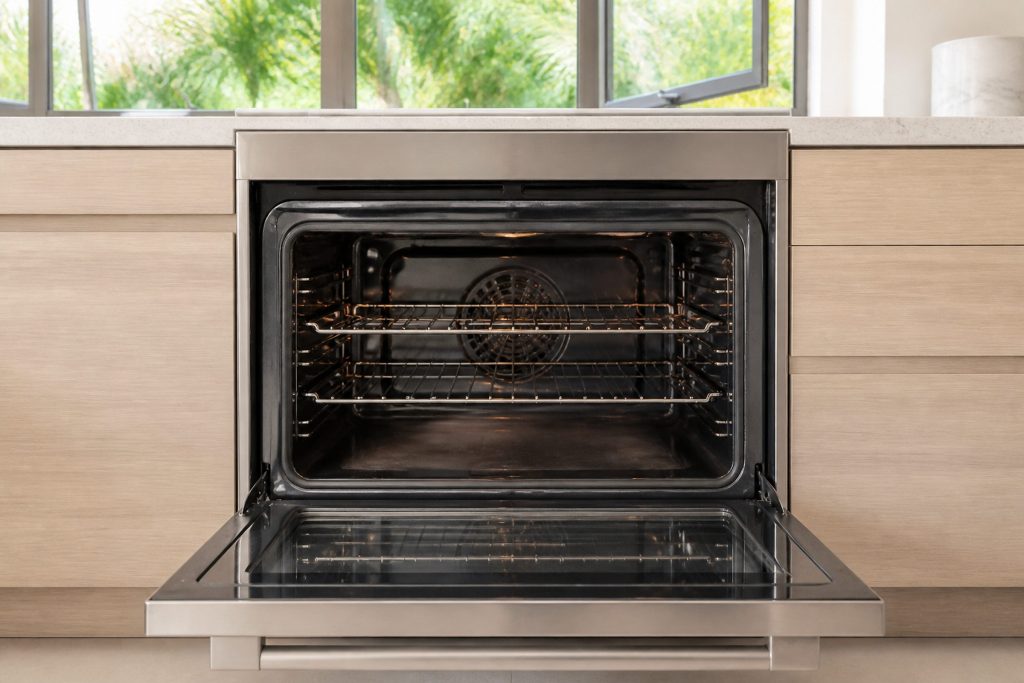
Why Does My Oven Smell Like Burning Plastic? New Oven, or Not New
The whole question is whether the oven is new. The first few uses burn off manufacturing residue and smell exactly like a problem without being one. The same smell on an oven you have had for years is something getting hot that should not be, and that is not a smell to cook through.
Read more -
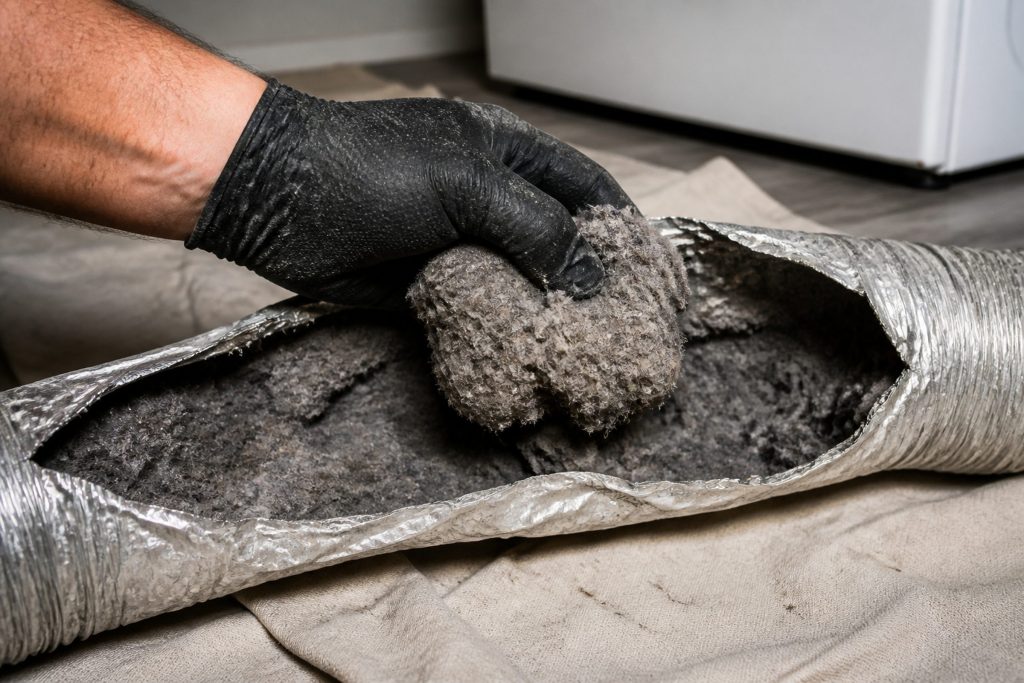
A KitchenAid Dryer Thermal Fuse That Keeps Blowing Is Telling You About the Duct
The part costs very little and the message matters a great deal. A thermal fuse blows because the machine ran too hot, and it ran too hot because the heat could not get out. Replacing the fuse without clearing the duct is putting out the warning light on a machine full of lint.
Read more -
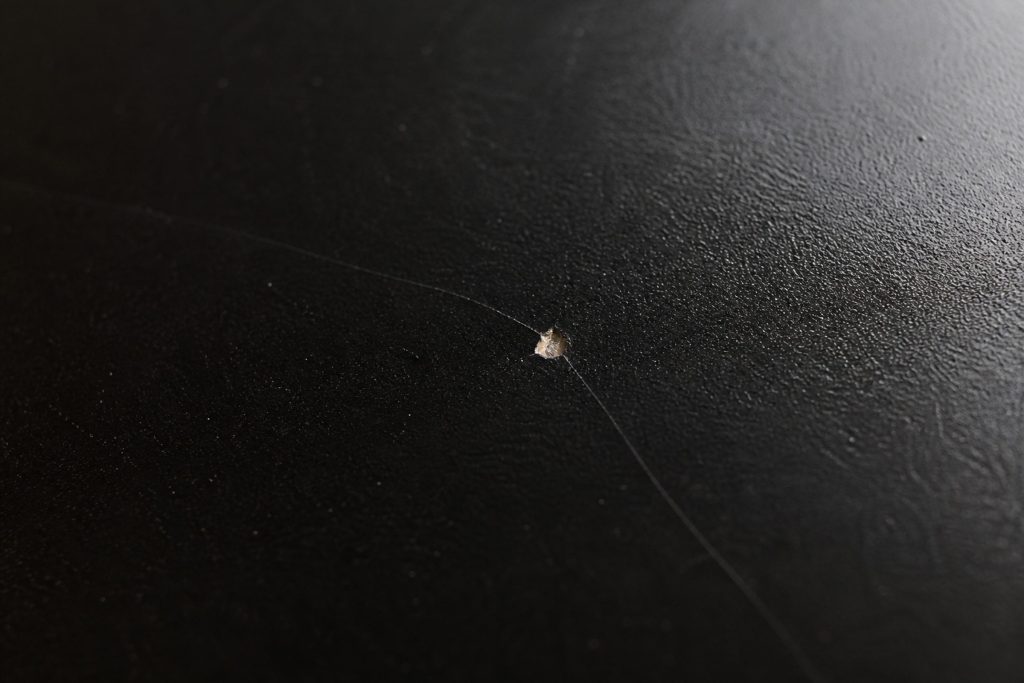
Can a Cracked Glass Stove Top Be Repaired? No — Switch It Off at the Breaker
The answer is no, and this page says so in the first line because a cracked ceramic or induction surface is a live surface with a path to water and to your hand. Everything after that is the replacement, the cost, and what cracks these tops in the first place.
Read more
Tell us the model number and what it is doing.
This article is based on:
- Official manufacturer documentation
- Internal repair procedures
- Technician repair history
- Company quality standards