Safety & Risks
Can a Cracked Glass Stove Top Be Repaired? No — Switch It Off at the Breaker
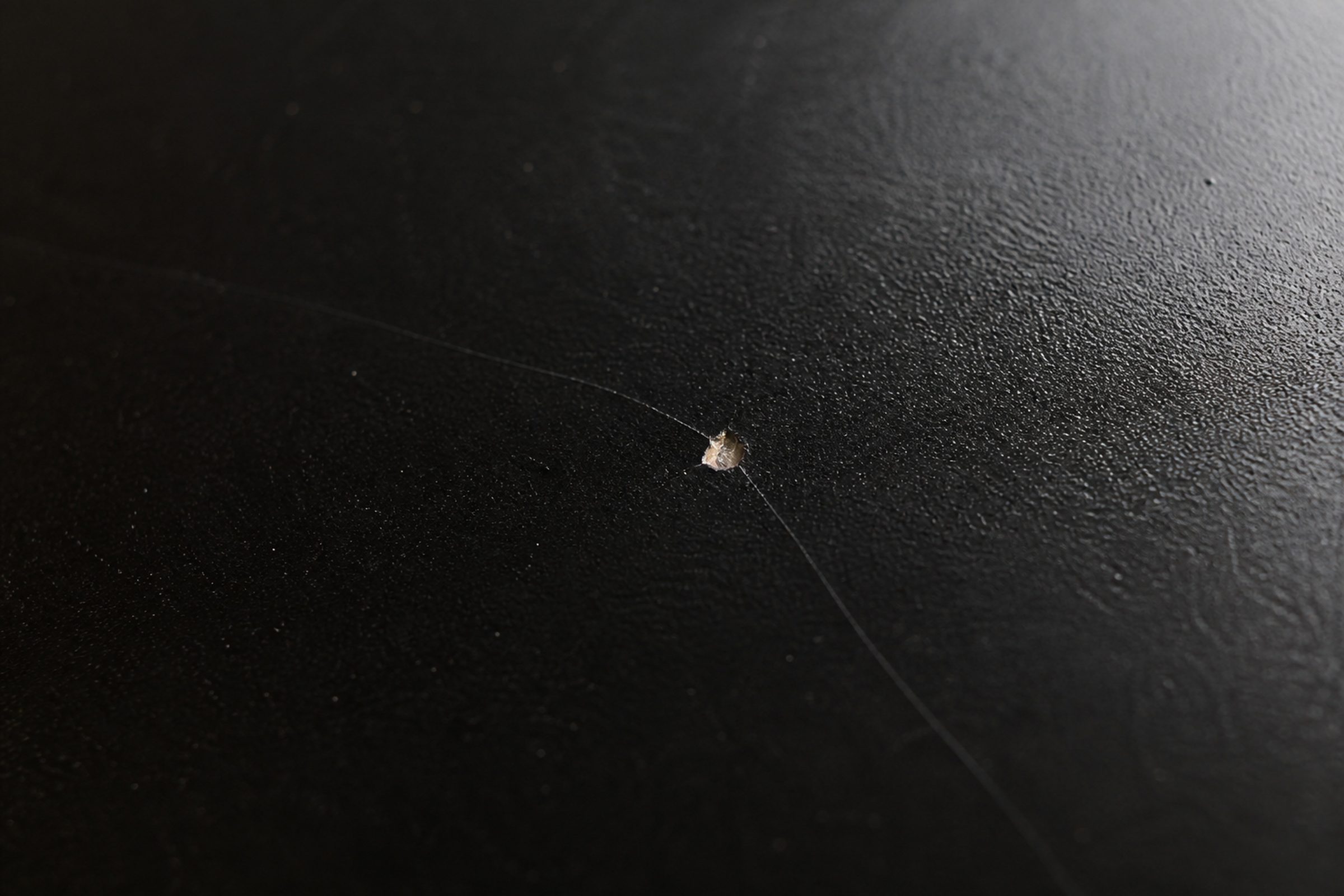
No. A cracked glass stove top cannot be repaired, filled or bonded back together, and it should not be used again — the ceramic surface is the only barrier between live heating elements or induction electronics and anything spilled on it, and a crack gives water a path straight through. Switch the cooktop off at the breaker rather than at the controls, stop cooking on it, and have the glass replaced as a complete panel. Replacement glass on these appliances is a real cost worth quoting rather than guessing, because the panel usually arrives with the touch control bonded to it, and the figure is confirmed after an on-site diagnostic.
The full guide
Can a cracked glass stove top be repaired? No, and here is what to do instead
No. There is no filler, resin, epoxy or bonding kit that restores a cracked ceramic or induction cooking surface, and there is no technician who will tell you otherwise once they have seen it. The panel is replaced as a complete part.
This site normally spends its time talking people out of buying parts they do not need. This is the one page where the advice runs the other way, and it is deliberate.
Switch the cooktop off at the breaker. Not at the controls — at the breaker, so the appliance has no power at all. Then stop cooking on it until the glass has been replaced.
Why a crack in this glass is different from a crack in anything else
The ceramic panel is not a cover. It is the working surface and the barrier at the same time.
On an electric radiant top, coiled elements sit directly under the glass and glow red. On an induction top, the coils and the power electronics that drive them sit under the glass with millimeters to spare. On a gas-on-glass top, the ceramic is what the sealed burners are mounted through.
In every one of those, the glass is doing three jobs at once: it holds a temperature difference of several hundred degrees across a couple of inches, it takes the weight of a full pan, and it keeps everything spilled on it from reaching the electrical parts underneath.
A crack ends the third job immediately. Boiling water, milk from a pan that ran over, the water you use to clean it — all of it now has a path straight down. What follows is a tripped breaker, a shorted element, or the failure people find genuinely alarming: a zone that turns itself on and will not turn off, because moisture has bridged a control circuit.
The crack also ends the first job. Ceramic that has already failed once will propagate the crack under the next thermal cycle, and the next cycle is you making dinner with a full pan on top of it.
"But it is only a hairline, and everything still works"
This is the most common message we get on the subject, and it deserves a straight answer rather than a lecture.
A hairline on a ceramic top is full depth. What you are seeing is the top edge of a fracture that already runs through the panel; the surface simply has not separated yet. Nothing about it is superficial, and the fact that all four zones still heat tells you only that nothing has reached the wiring today.
If the top is induction, there is a second reason not to wait. Induction electronics live directly under the glass and are cooled by a fan breathing through the cabinet. They already run close to their limit in a sealed island in a South Florida August. Water arriving on them is not a slow problem.
What actually cracks these surfaces
Almost never the heat on its own, which surprises people.
- Impact. A lid dropped edge-on, a cast iron pan set down hard, a jar knocked off a shelf above. Ceramic glass takes weight well and takes a point strike badly.
- A pan that traps heat. A heavy base with a slight dome, or a canning pot wider than the zone, holds heat against one spot of the panel while the surrounding glass stays cooler. That gradient is what the glass is least able to tolerate.
- Something under the pan. A grain of sugar or salt on the surface concentrates heat and pressure into a point.
- A spill that cools on the glass. Sugar in particular bonds to the ceramic surface and takes a layer of it with it when it lifts. That is where a lot of chips start.
- Installation stress. A top fitted into an opening that is slightly tight, or seated on a bead of silicone that has hardened unevenly, is under load before it is ever switched on.
Cleaning a glass cooktop without scratching it
Since most of the searching that leads people here is about cleaning rather than cracks, here is the whole method, and it applies equally to a black electric top, a ceramic surface and an induction panel.
Cooktop cream and a flat blade scraper, on a cool surface. Cream first, worked with a soft cloth or a cooktop pad. For anything baked on, a single-edge scraper blade held nearly parallel to the glass — not at an angle, which is how you chip an edge.
What actually scratches these tops:
- Grit under a cloth. The cloth is not the problem. The crumb caught in it is.
- Abrasive pads and powders, including the green scouring side of a sponge.
- Dry wiping a surface with sand or sugar on it. Rinse first, then wipe.
What damages them beyond scratching: sugar left to cool, as above, and the wrong cleaners on the surrounding stainless trim. KitchenAid names bleach, ammonia, citrus cleaners, vinegar cleaners and abrasives as things that damage its stainless finishes, and says outright that the resulting damage is not covered under its warranty. Keep them off the trim as well as the glass.
One more, and it is the local one: dry the surface after you clean it. The maker names water left to dry as a cause of discoloration on its stainless, because water can contain iron. The same habit keeps the seam between glass and trim clean.
What a glass replacement actually involves
The part is rarely just a sheet of glass.
On most of these cooktops the ceramic panel arrives as an assembly — the glass with the touch control membrane and often the frame already bonded to it, because that bond is made at the factory under conditions nobody reproduces in a kitchen. That is the single biggest driver of the cost, and it is why the number is worth having in writing before anything is ordered.
The job itself depends on the installation. A cooktop dropped into a counter and clipped from below can often be lifted out from above. One that was set into stone with silicone, or one that sits over a downdraft blower assembly, has to be released carefully and sometimes reached from inside the cabinet. Downdraft models add the blower and its ducting to the appointment.
What it costs: from several hundred dollars, rising with the width and with induction, and the exact cost is confirmed after an on-site diagnostic. What moves it is the model, whether the panel is still available for that model, and the access. On an older cooktop, availability is sometimes the entire decision, and it is worth checking before a date is offered rather than after a visit.
The version of this that is not a crack at all
Two things get reported as cracked glass and are not.
A scratch you can feel with a fingernail but not see through. That is cosmetic, the surface is intact, and the top can go on being used. It will not spread the way a crack does.
A chip at the very edge, under the trim. Worth having looked at, because whether it reaches through the panel decides everything, and that is not a judgment to make from a photograph.
If you are not sure which you have, send a picture and we will tell you honestly, including when the honest answer is that it is fine.
Book it, and until then leave it off
If your cooktop is cracked: breaker off, nothing on the surface, and let us quote the panel. We work on gas, gas-on-glass, radiant and induction cooktops across Miami-Dade, Broward and Palm Beach, and a glass replacement is a planned appointment rather than an emergency one — as long as the appliance is switched off while it waits.
Independent appliance repair. We are not affiliated with, authorized by or endorsed by any manufacturer.
If it turns out to be a repair
What this leads to, and what it costs
Every job on this site is priced the same way: an on-site diagnostic first, the figure agreed in writing before anybody starts.
-
Gas · Gas-on-glass · Electric radiant · Induction · Downdraft · 15", 30", 36" Cooktops
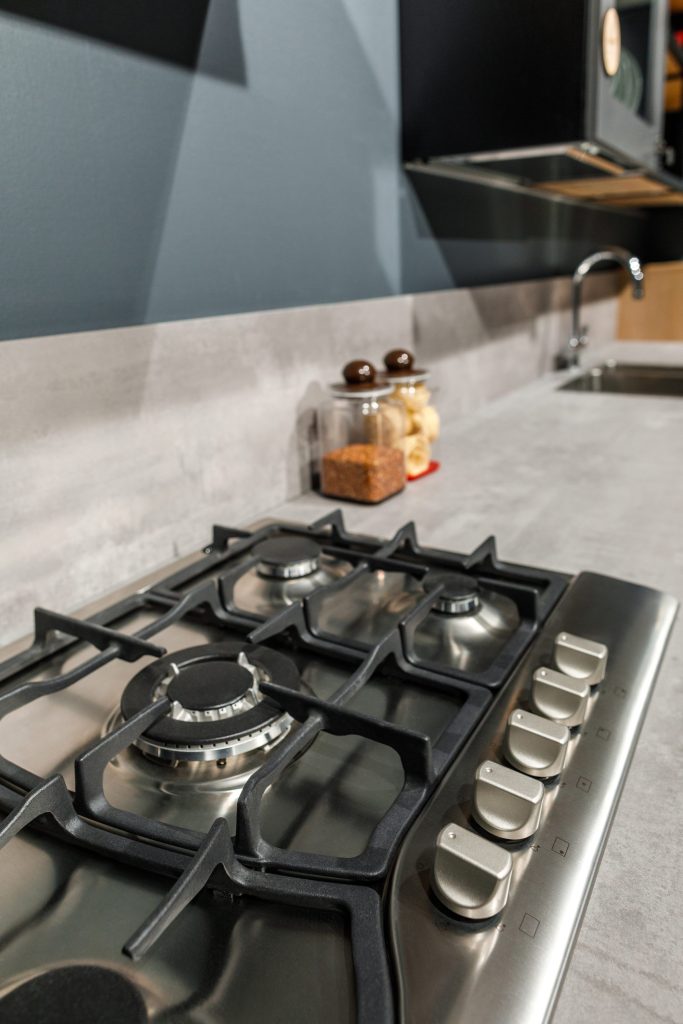
Four different appliances under one word. Gas with sealed burners, gas on a glass surface, electric radiant under ceramic, and induction — plus the downdraft versions of two of them, with a blower built into the counter. What has gone wrong is usually obvious once you know which one you are standing in front of.
- One zone or one burner dead while the rest work
- A surface that beeps or shuts a zone down on its own
- A cracked or chipped glass top
-
from $185 Cooktop surface & element repair
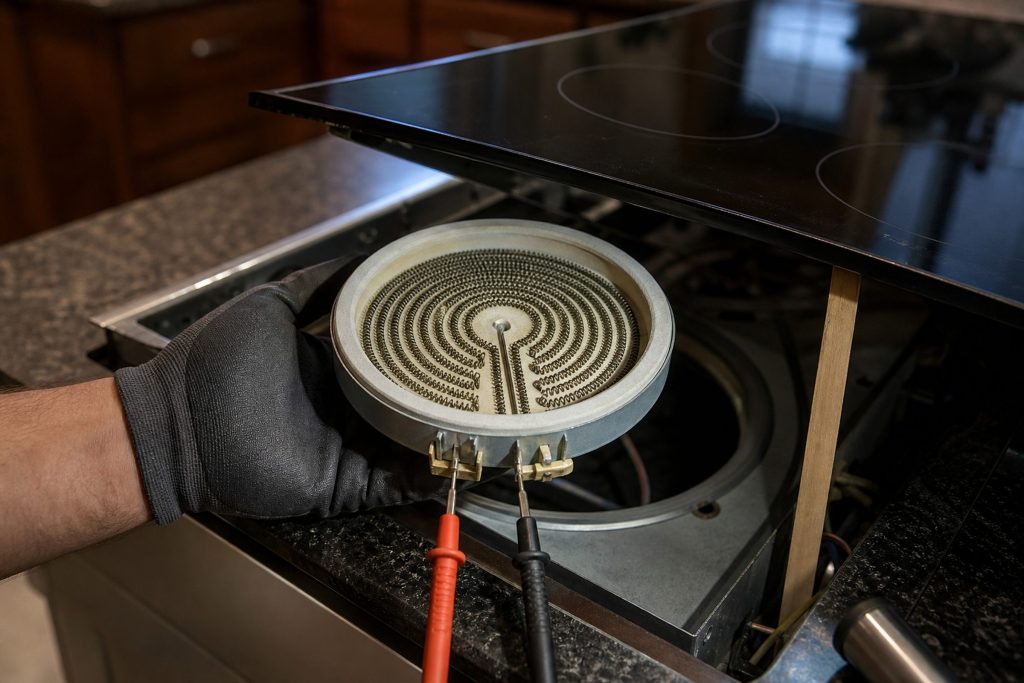
One zone dead on an electric top, a touch control that will not answer, or a glass surface that has cracked. The first two are repairs; the third is a replacement, and it is the one thing on this site we will tell you to stop using immediately.
- Radiant elements and their switches tested zone by zone
- Touch controls checked for water above and behind the glass
- Cracked glass quoted honestly against the appliance

Questions people ask about this
Can a cracked glass stove top be repaired?
No. There is no adhesive, resin or filler that restores a ceramic cooking surface, because the panel has to hold a temperature gradient of several hundred degrees across a few inches and stay sealed while somebody wipes water across it. A repaired crack fails, and it fails while the surface is hot. The panel is replaced.
It is only a hairline crack and everything still works. Can I keep using it?
No, and a hairline is the version people most often decide to live with. The crack is full depth even when it looks superficial, so liquid runs through it onto the elements or the induction coils underneath. Once that happens you get a short, a tripped breaker, or an element that turns on and will not turn off.
How much does it cost to replace the glass on a glass top stove?
From several hundred dollars for a straightforward radiant panel, and higher on induction and on 36-inch tops, because the glass usually arrives as an assembly with the touch control bonded to it. Labor depends on whether the appliance can be lifted out of the counter or has to be released from below. Exact cost is confirmed after an on-site diagnostic.
How do I clean a glass cooktop without scratching it?
Cooktop cream and a flat blade scraper held nearly parallel, on a cool surface. What scratches these tops is grit trapped under a cloth and abrasive pads. What damages them permanently is sugar left to cool on the glass — wipe a sugar spill while it is still hot, carefully, and leave everything else until it cools.
Is replacing the glass worth it, or should I replace the cooktop?
On a 30-inch radiant top it is often close, and on a Commercial-Style induction unit the glass is a fraction of the appliance and clearly worth doing. The deciding factors are the age of the cooktop, whether the panel is still available for that model, and whether the touch control comes with it. Ask for both numbers before you decide.
Safety & Risks
More guides like this one
-
Why Does My Oven Smell Like Burning Plastic? New Oven, or Not New
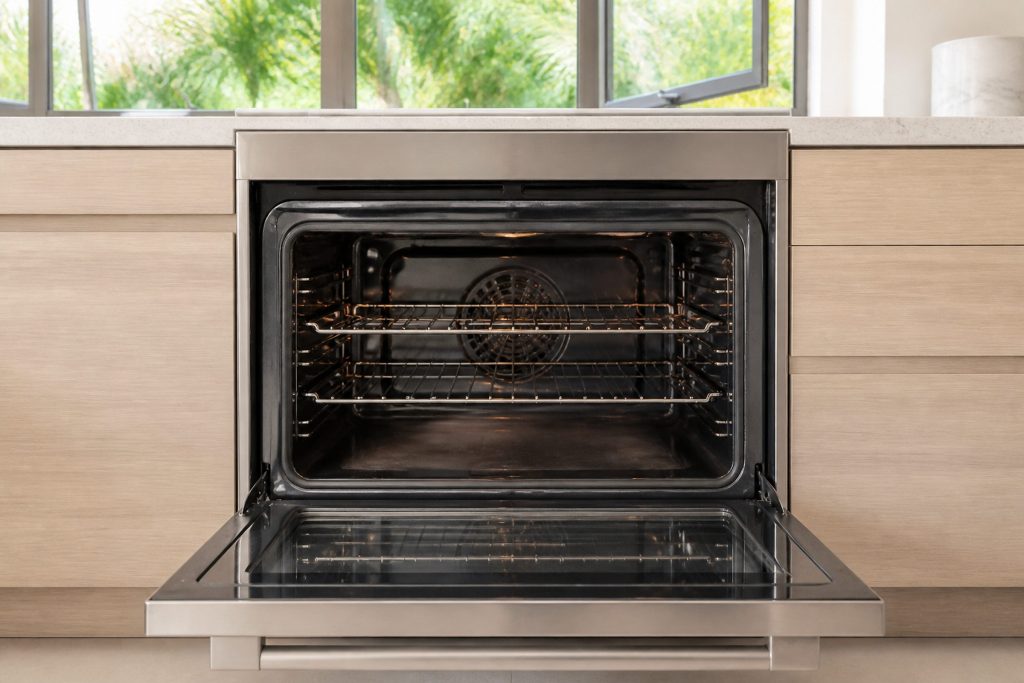
The whole question is whether the oven is new. The first few uses burn off manufacturing residue and smell exactly like a problem without being one. The same smell on an oven you have had for years is something getting hot that should not be, and that is not a smell to cook through.
Read more -
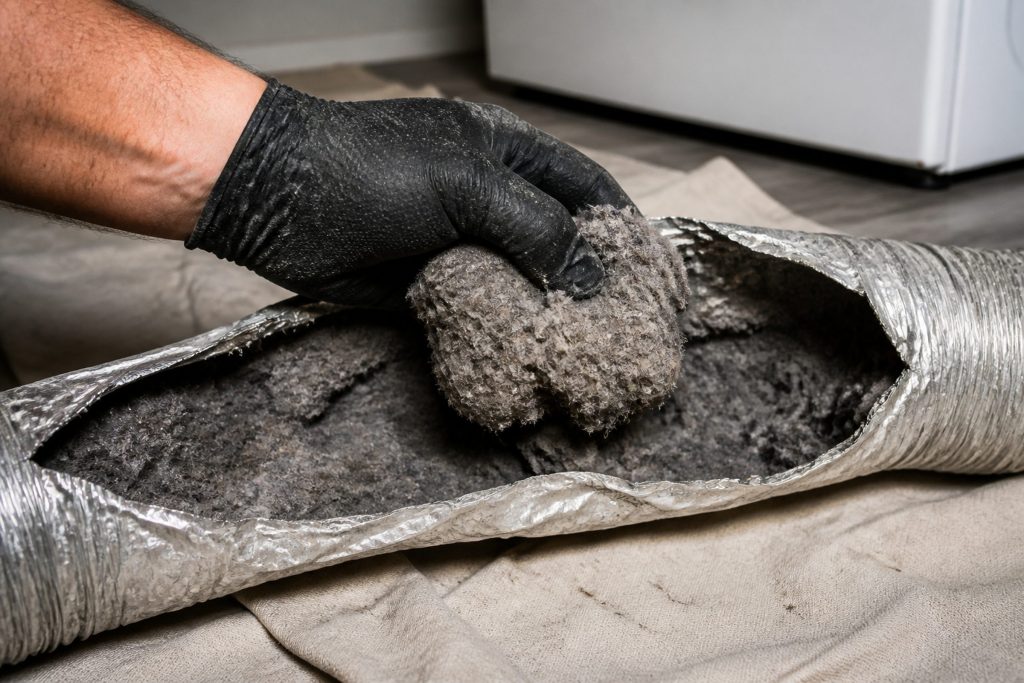
A KitchenAid Dryer Thermal Fuse That Keeps Blowing Is Telling You About the Duct
The part costs very little and the message matters a great deal. A thermal fuse blows because the machine ran too hot, and it ran too hot because the heat could not get out. Replacing the fuse without clearing the duct is putting out the warning light on a machine full of lint.
Read more -
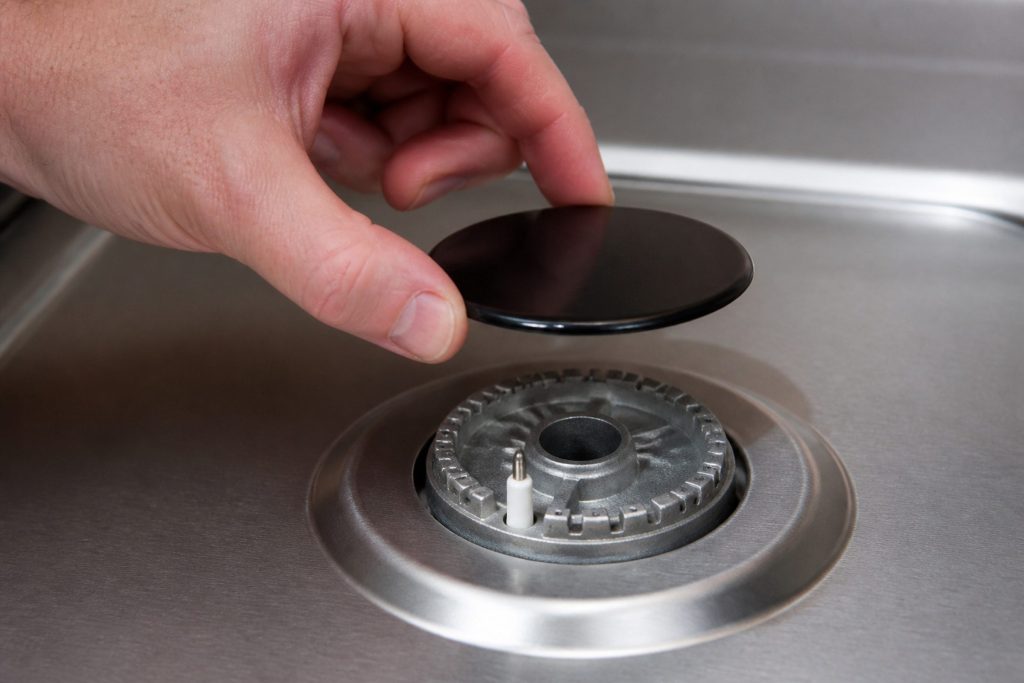
KitchenAid Burner Not Igniting: It Clicks, Gas Is Flowing, and When to Stop Trying
The clicking is the cooktop trying to light gas that is already flowing. There are two checks worth doing, both free and both at the burner itself — and then there is a hard line: any smell of gas and this stops being a repair question.
Read more
Tell us the model number and what it is doing.
This article is based on:
- Official manufacturer documentation
- Internal repair procedures
- Technician repair history
- Company quality standards