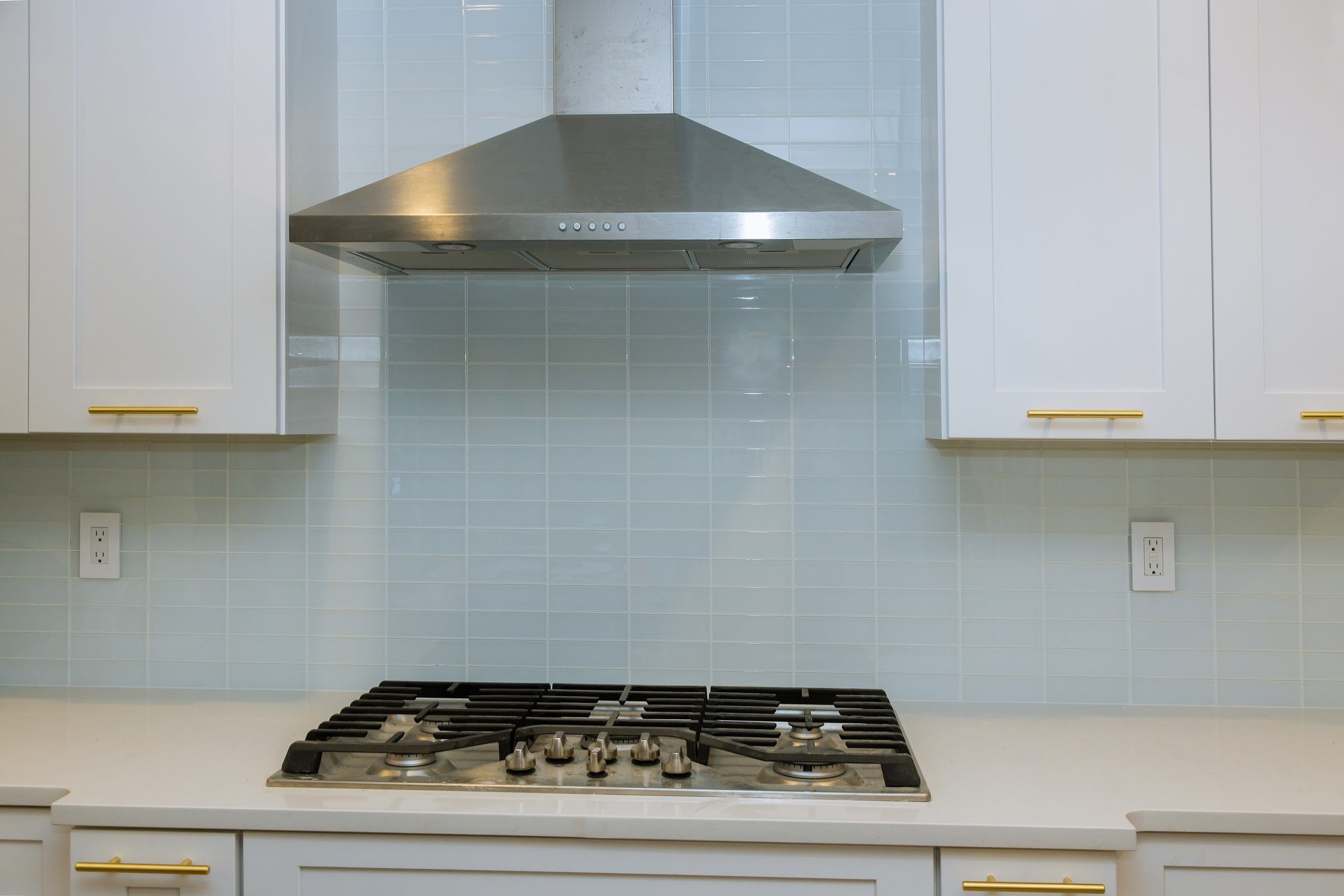
Appliance
KitchenAid range hoods and vents
The appliance that gets attention only when it is silent, and the one whose maintenance is genuinely all an owner needs to do. Wall-mounted canopies, under-cabinet hoods, island hoods, insert liners for custom millwork, and the retractable downdraft that rises out of the counter.
- 5 symptoms we are called out to
- From $95 diagnostic, credited to the repair
- 59 cities and neighborhoods covered
- OEM parts available on order
The short version
What this equipment is, for a repair
Configurations
Wall-mount · Under-cabinet · Island · Commercial-Style · Custom liners · Retractable downdraft
Access
Planned before the visit, not discovered on arrival
Parts
OEM, available on order
Diagnostic
From $95, credited to the repair
What goes wrong with it
Symptoms we are called out to on KitchenAid range hoods and vents
Each one covers the likely causes in the order they are worth checking, and what to do in five minutes before booking anything.
-
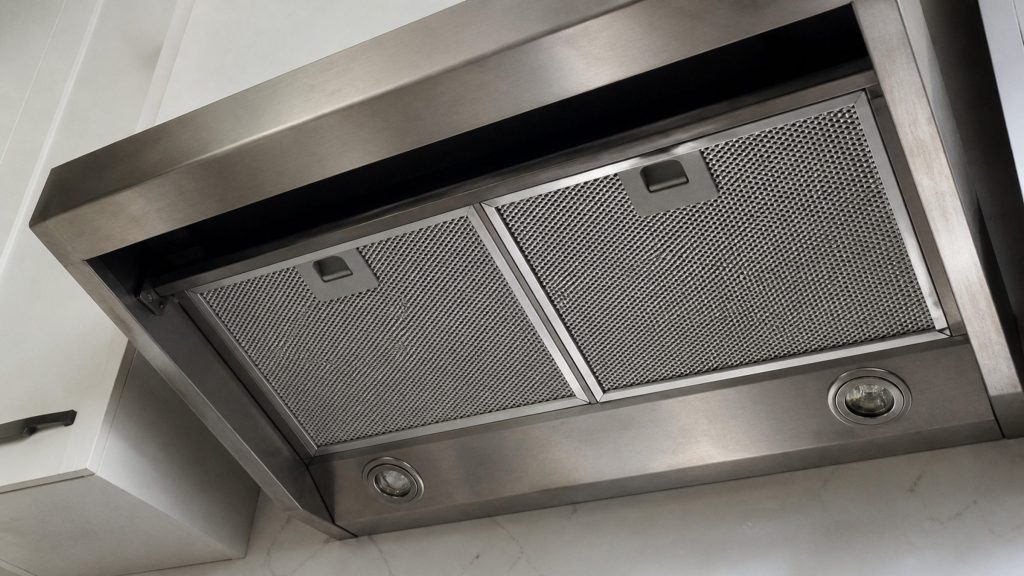
Or the lights have The range hood fan has stopped
The appliance nobody thinks about until it is silent. A hood that will not run, one speed missing, or lights that have gone out while the fan is fine — three complaints with three different short lists behind them.
- Nothing at all from the fan
- Only one speed works
- Lights out, fan fine
-
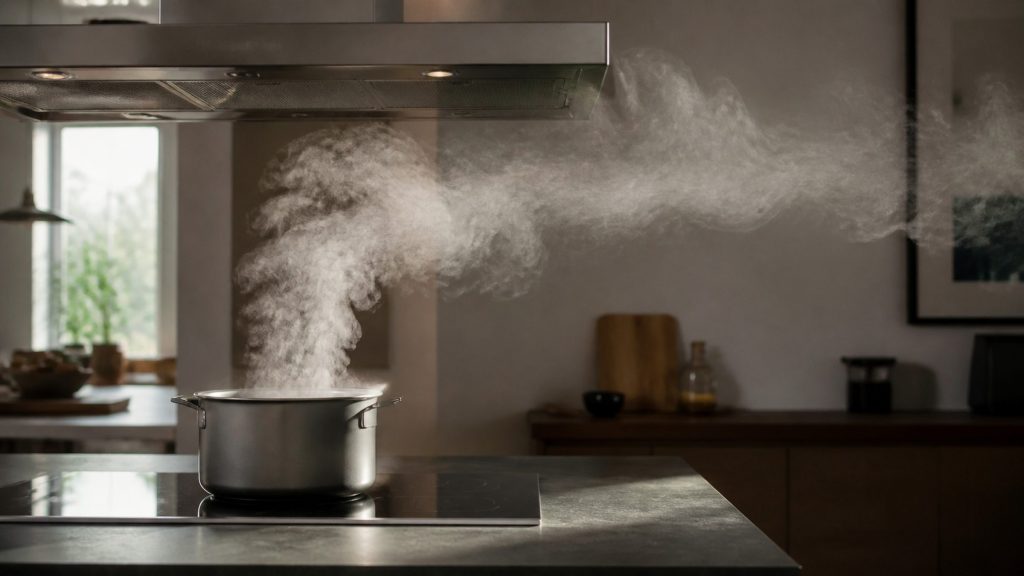
Filters, damper and duct The hood runs but does not pull
A hood that sounds perfectly healthy and leaves the kitchen full of steam. It is usually maintenance rather than failure, and it is one of the few appliances where an owner can genuinely fix the problem in an afternoon.
- The fan is loud and the kitchen still fills
- It has never really worked since it was installed
- Worse since the filters were last cleaned — or never were
-
Nothing else has changed It has started making a new noise
A new sound is a real signal rather than a nuisance, and it is usually the earliest warning you get. Caught while it is only a noise, most of the causes on this page are small; left until it stops, several of them are not.
- A hum or a buzz that was not there before
- A squeal that comes and goes
- A clicking every few minutes with nothing else wrong
-
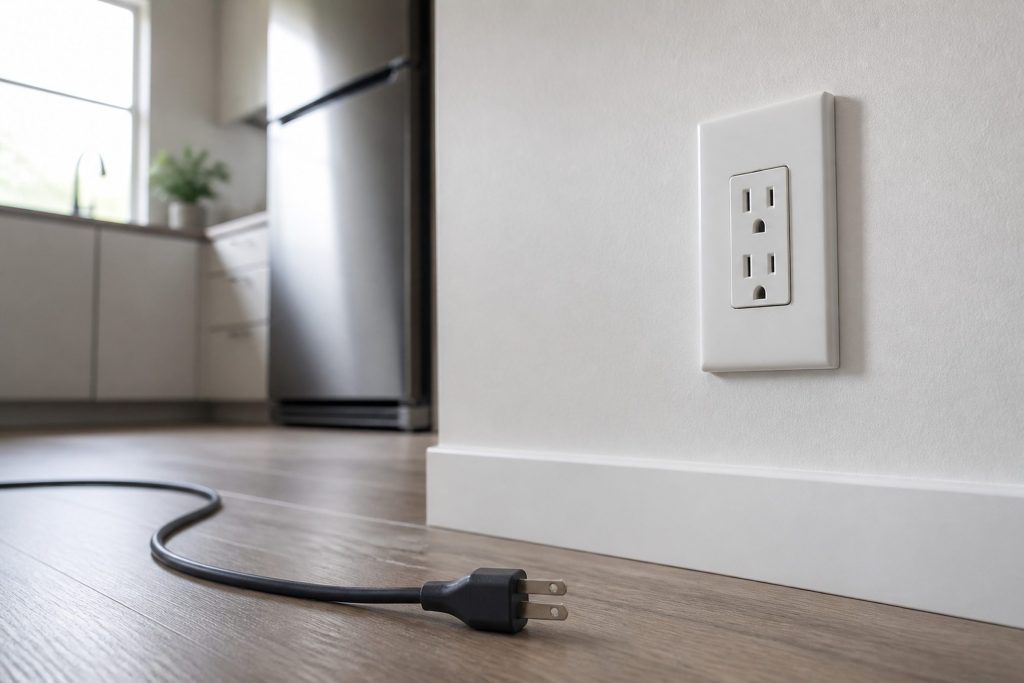
No lights, no response The appliance will not turn on at all
Nothing at all is a different problem from a machine that starts and stops, and it has a much shorter list behind it. More than half of that list is outside the appliance, which is why it is worth ten minutes before it is worth a visit.
- A completely dark panel
- It worked yesterday and is dead this morning
- It came back once and then went again
-
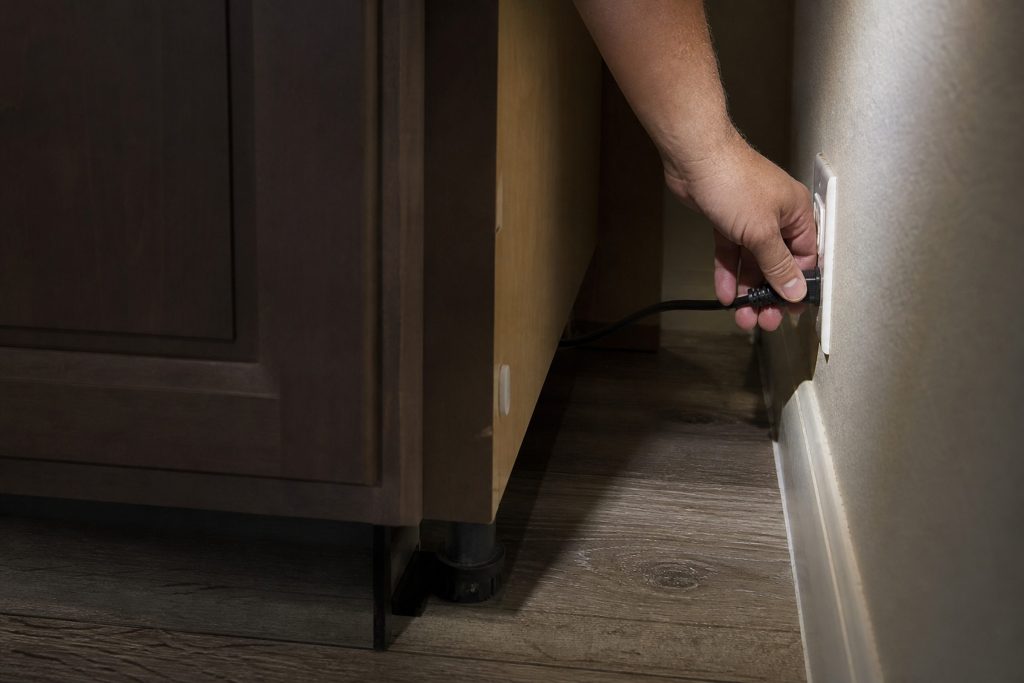
What a reset can and cannot do How to reset it
One of the most searched things about this whole make, and one of the most misunderstood. There is no reset button on most of these appliances — what there is is a power cycle, and a set of feature resets that do very specific jobs.
- Looking for a reset button that does not exist
- A filter light that will not go out
- A machine that needs restarting after a storm
What we do on it
Repairs we carry out on KitchenAid range hoods and vents
Starting figures for this equipment in South Florida. The exact cost is confirmed after an on-site diagnostic — and this is not the whole list of what can go wrong, so call if your problem is not here.
-
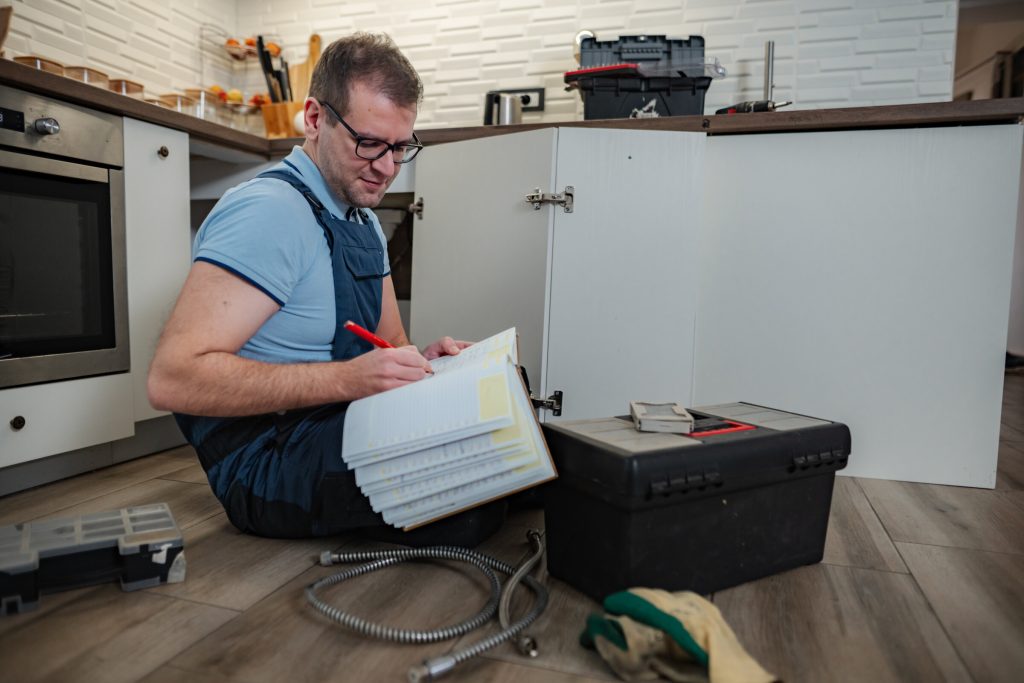
from $95 Diagnostic visit
We read what the appliance is reporting — a code on a display, or the flashes on a dishwasher Clean light — then measure before saying anything about the repair. The fee is credited toward the work when you go ahead.
- The code read on site, including blink codes
- Measured rather than guessed
- Credited toward the repair
-
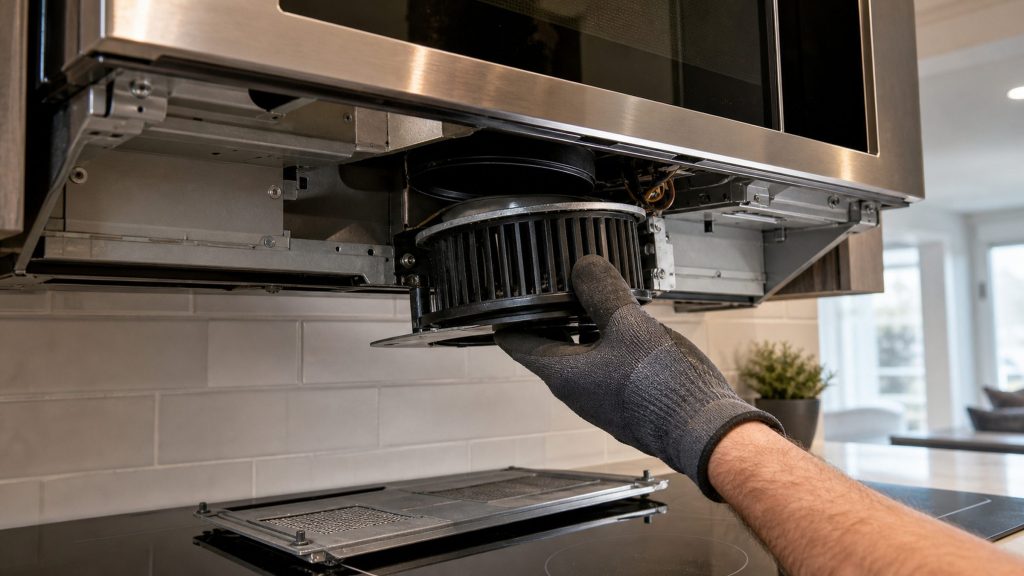
from $175 Microwave-hood vent repair
One appliance doing two jobs. When the microwave above your cooktop is also your ventilation, a fan that will not switch off, a hood that has stopped pulling or a light that stays on is a microwave repair rather than a hood repair.
- Vent fan, damper and speed control tested as one system
- Ducted and recirculating installations diagnosed differently
- Charcoal and grease filters checked before the blower is blamed
-
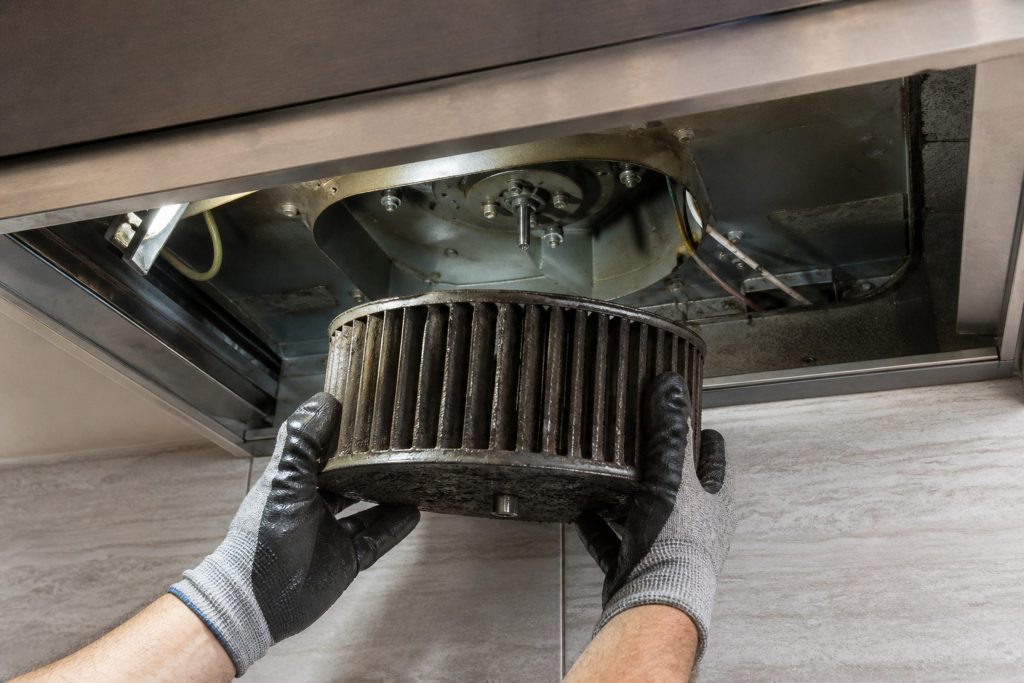
from $165 Range hood blower & switch repair
A fan that does nothing on any speed, one that only works on high, lights that will not come on, or a hood that has become loud enough to notice. The appliance nobody thinks about until it is silent.
- Blower motor and speed control tested separately
- Lights, sockets and the correct lamp checked
- Thermal cut-outs read before a motor is condemned
-
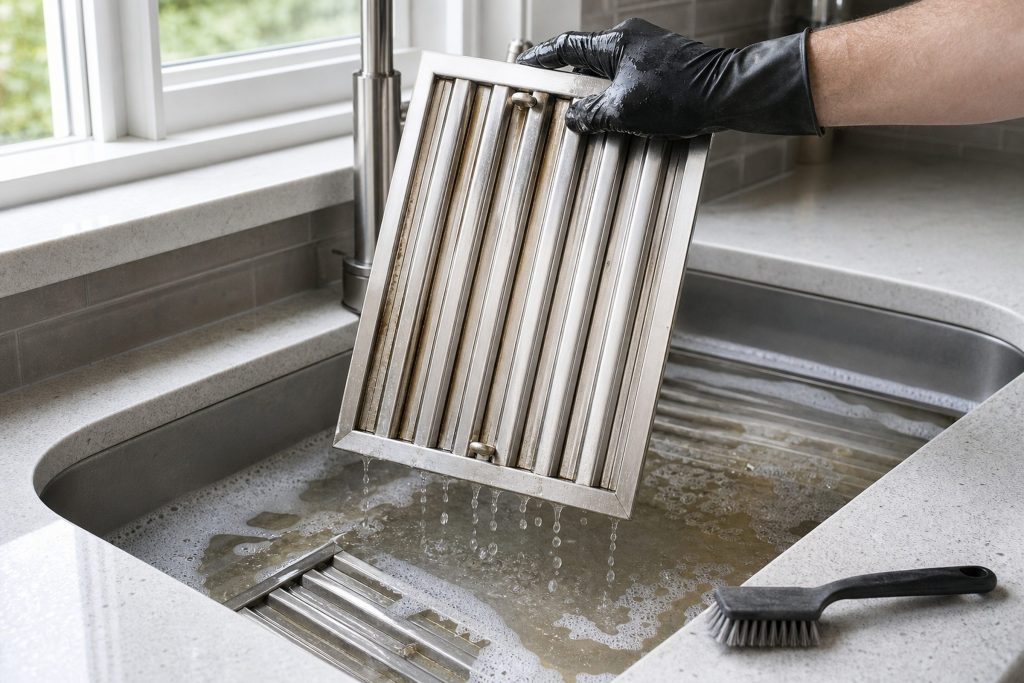
from $125 Range hood filter & duct service
The maintenance that is genuinely all an owner needs, done properly once: filters cleaned or replaced, the blower wheel degreased, the damper freed and the duct checked. Most "it does not pull any more" calls end here rather than with a part.
- Grease filters cleaned, charcoal filters replaced
- Blower wheel and housing degreased
- Damper and duct run checked end to end
-
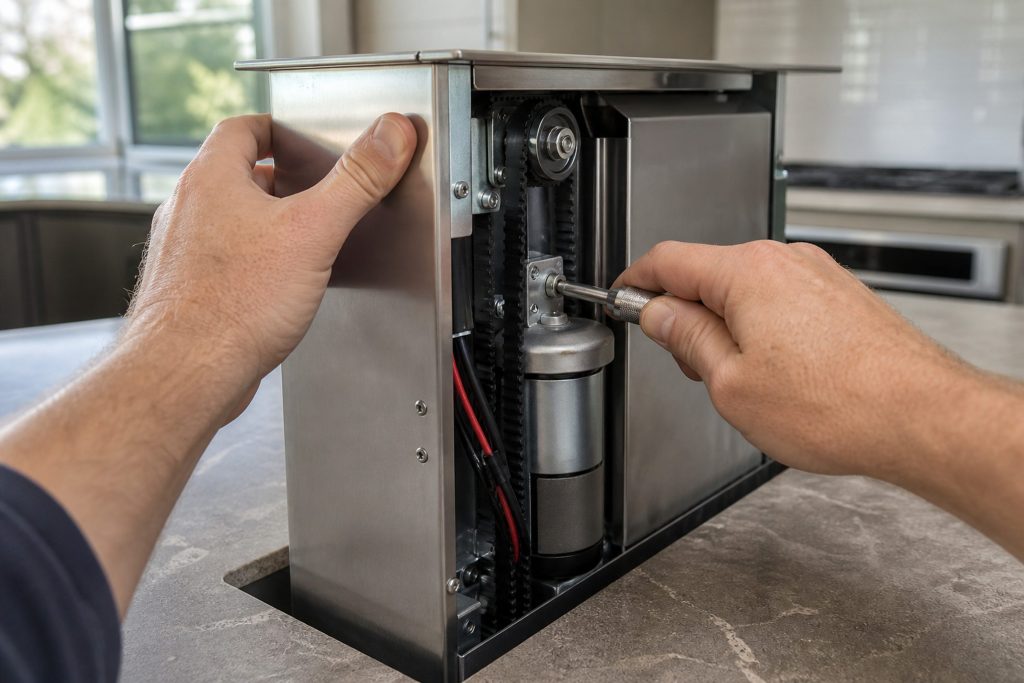
from $225 Downdraft vent & lift repair
A downdraft that will not rise, will not go back down, or has stopped pulling. The ventilation is part of the appliance rather than a hood above it, which changes both the diagnosis and who should be doing it.
- Lift motor, track and switch diagnosed before anything is forced
- Blower, damper and ducting under the counter checked
- Downdraft cooktops and ranges treated as one appliance
-
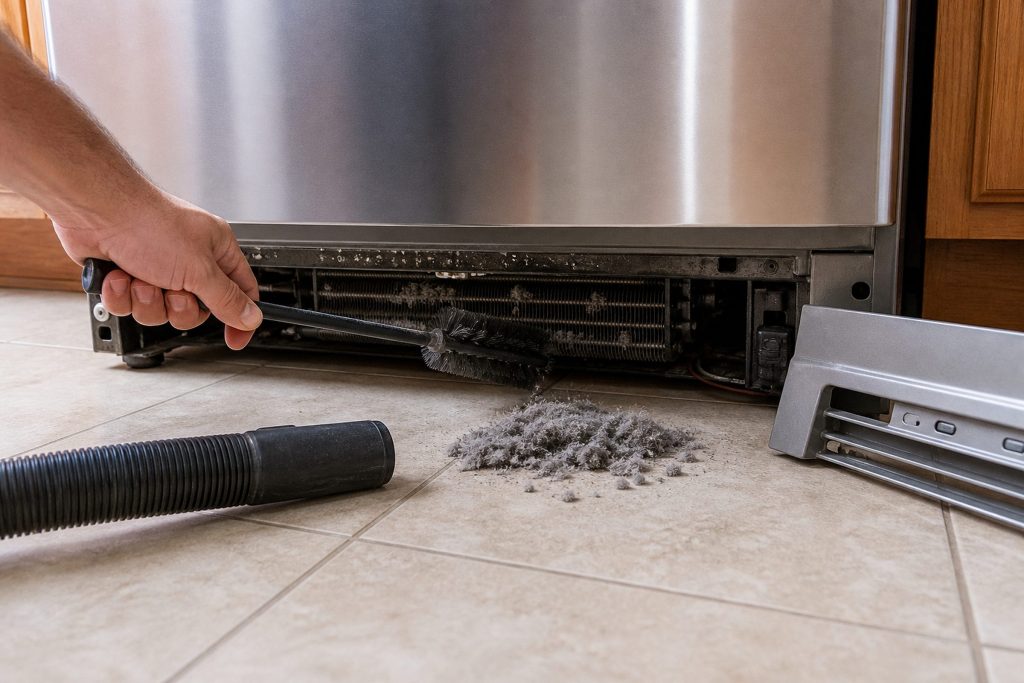
from $165 Appliance maintenance
A planned visit rather than an emergency one: filters, drains, coils, seals and ducts on whichever appliances you want looked at, in one appointment. Most of the expensive repairs on this list are prevented by an hour spent on this.
- Several appliances in one visit rather than one call each
- Filters, drains, coils, seals and ducts
- A written note of anything worth watching
-
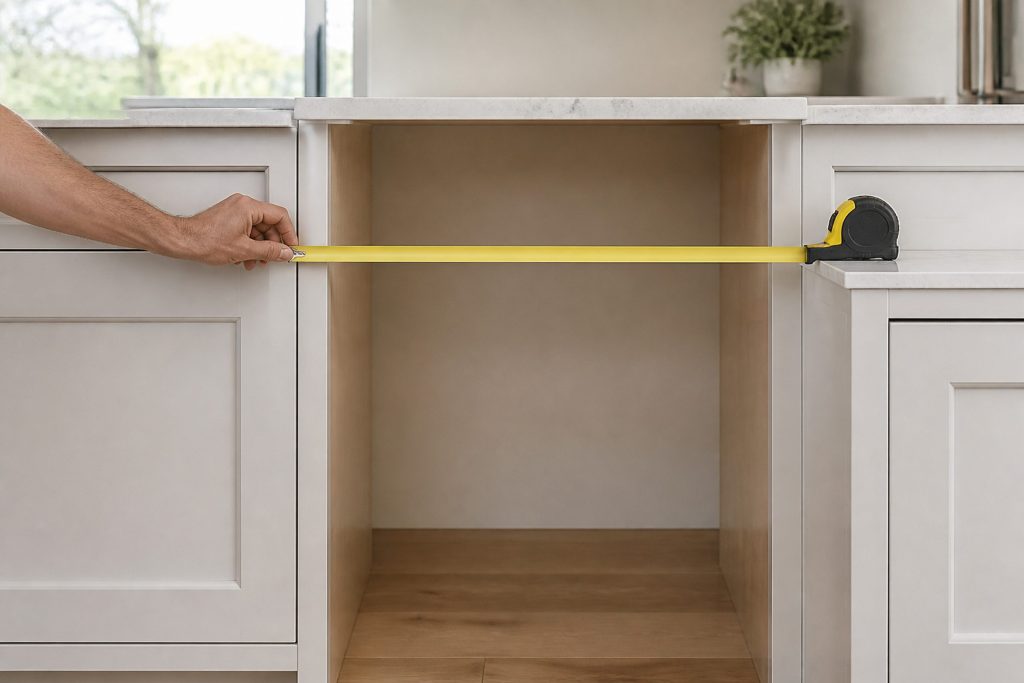
from $185 Appliance installation
Fitting a replacement into an opening that was built for something else — leveling, water, drainage, ventilation and the panel front. Most of what goes wrong in the first year of a new appliance is decided on the day it goes in.
- Leveled, sealed and connected, not just pushed into the gap
- Water, drain and ventilation checked rather than assumed
- The old appliance disconnected safely
In more detail
About KitchenAid range hoods and vents
Every kind this make sells
Wall-mount canopies at 30 and 36 inches, under-cabinet hoods including low-profile, island hoods, Commercial-Style hoods to match the Commercial-Style ranges, custom hood liners that go inside your own millwork, and retractable downdrafts. Some of these carry UXT, UVL and WVW numbers rather than a K — those are genuine KitchenAid-sold vents, not another brand.
What actually goes wrong
- The blower motor, usually announced by noise long before it stops.
- The switch or control panel, which is where grease and heat meet.
- Lights and their sockets, and the halogen units that have been retro-fitted with the wrong lamp.
- The damper, on ducted installations, which sticks shut and undoes the whole hood.
- The lift mechanism, on a downdraft.
- Filters, which are maintenance rather than failure and are the cause of most "it does not pull any more" calls.
Where the duct goes matters
Ducted straight out through a wall, up through a roof, or recirculating back into the room through charcoal. A long duct run with several bends costs you real airflow, and a hood that has never worked well is often a hood fighting its ducting rather than a hood with a problem. In high-rise apartments the duct may not be yours to change at all, which is worth knowing before anything is bought.
What to have ready when you call
The model number from behind a filter, whether the lights still work, and whether the hood ducts outside or recirculates.
This article is based on:
- Official manufacturer documentation
- Internal repair procedures
- Technician repair history
- Company quality standards

Before you book
Questions about KitchenAid range hoods and vents
How often should the filters be cleaned?
Roughly monthly if you cook most days, and this is one job where doing it makes a measurable difference. Grease-loaded mesh or baffle filters strangle the airflow, so the hood gets louder and less effective at the same time, and the motor works harder for it. Most of them go in the dishwasher — check yours does before you find out.
Mine has a charcoal filter as well. What is that for?
It means the hood is recirculating rather than ducted outside — it filters the air and returns it to the room. Those charcoal filters are consumable and cannot be washed; they are replaced, and a hood that has stopped clearing smoke on a recirculating installation is very often a charcoal filter nobody knew existed.
The lights work but the fan does nothing.
Useful, because it says the hood has power. That leaves the switch or control, the blower motor, and on some models a thermal cut-out that has tripped after the hood ran hot. On a microwave-hood combination it is not a hood repair at all — the fan is part of the microwave.
My downdraft will not come up.
The lift is a motor and a track, and the usual culprits are the track binding on grease, the motor itself, or the switch. Do not help it up by hand — the gearing is what holds it, and forcing the carriage is how a slow downdraft becomes a stuck one.
Where we do it
Across Miami-Dade, Broward, and Palm Beach
Same terms everywhere we go: an on-site diagnostic first, the price agreed in writing, and the exact figure confirmed once we have seen the unit.
Neighborhoods people ask for by name