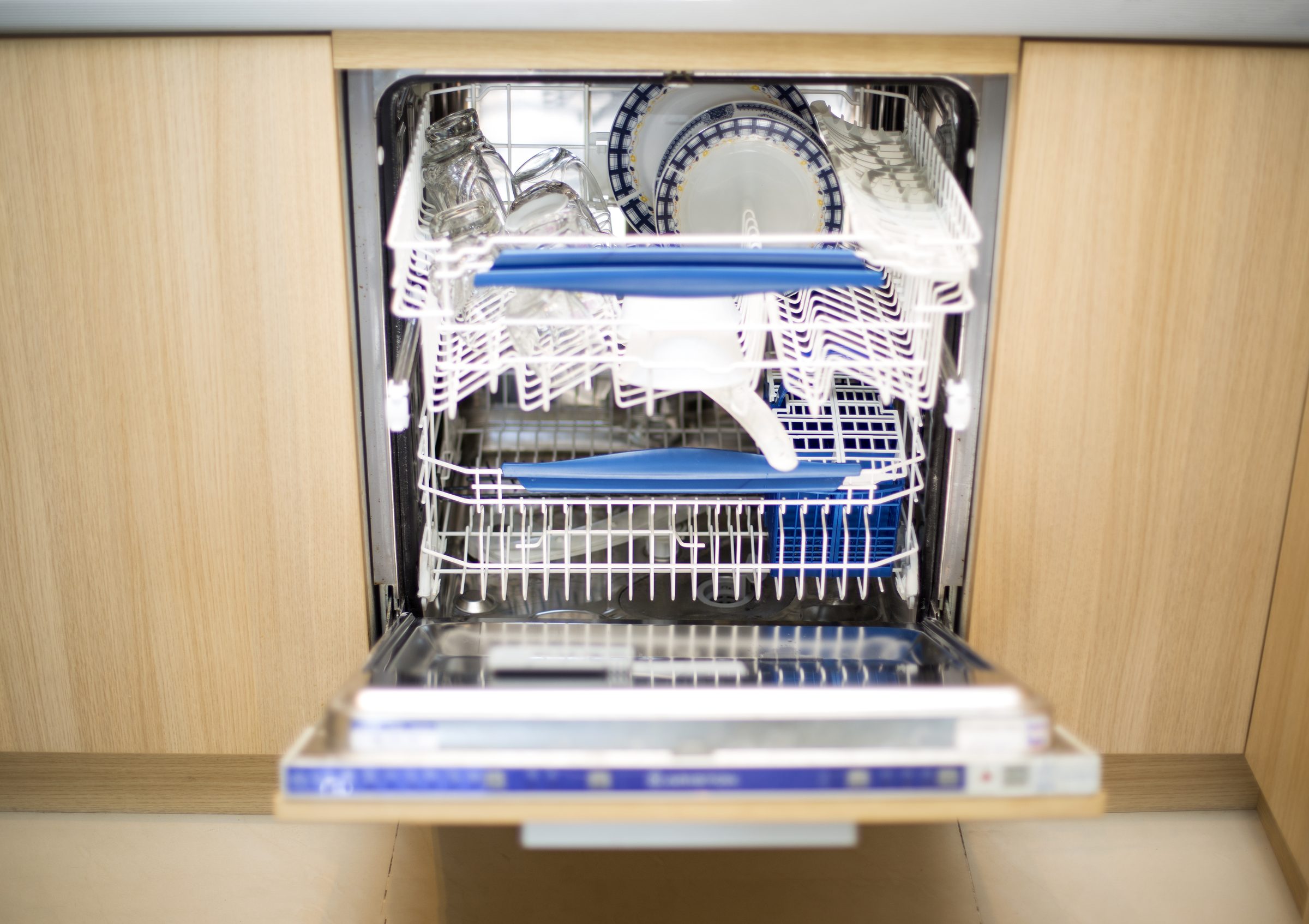
Error code
KitchenAid dishwasher error code F9E2
KitchenAid dishwasher error code F9E2: Drain motor error. What the code narrows down, what the maker publishes for it, and why the same number means something else on another KitchenAid appliance.
- From $95 diagnostic, credited to the repair
- 59 cities and neighborhoods covered
- OEM parts available on order
- In writing the price, before anything is opened
What we can confirm
Code F9E2, from the manufacturer's own documentation
A code is only meaningful together with the machine showing it — the same digits mean different things on different equipment.
What it narrows down to
Drain motor error
What you are probably seeing
Diagnostic
From $95, credited to the repair
What it looks like from the kitchen
The symptom this code usually arrives with
A code names the subsystem; the symptom is what sent you to look at the display in the first place. That page says what it usually turns out to be, cheapest cause first.
-
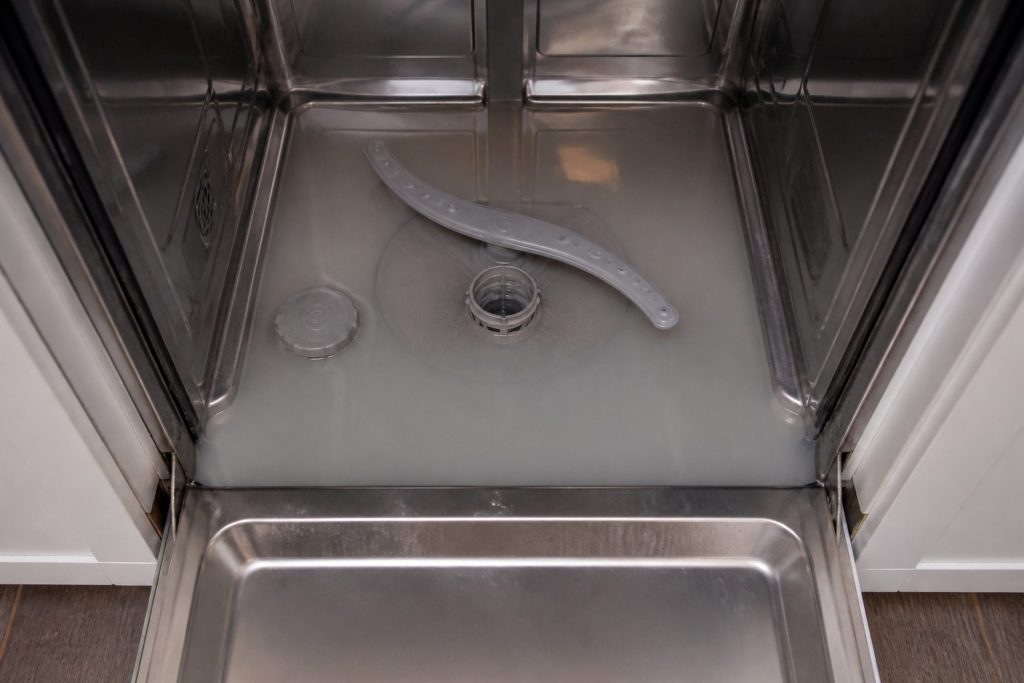
Water still in the tub Dishwasher will not drain
A cycle that finishes — or stops — with water standing in the bottom of the tub. Four of the five things that cause this are outside the machine or free to clear, which is why this one is worth ten minutes before it is worth a visit.
- Standing water at the end of every cycle
- You can hear the pump trying
- It drains if you run it again
On the same appliance
What else belongs to the dishwashers
On this make a code belongs to the appliance rather than to a product line. These are the other conditions this machine can display, and the models that can show this one — a display often has more than one thing to say, and the model number decides what any of it costs to put right.
Other codes this appliance can display
Control Module
Stuck Key oe Console Error
Thermistor or OWI Sensor
Heating System
Heating Error
User Interface Error, Main Control
Excessive Suds
Water Float Switch
Wash Motor Error
Fill Valve Electric Error
The same digits mean different things on different equipment. Search the full code list
In more detail
About KitchenAid dishwasher error code F9E2
What KitchenAid publishes for F9E2 on a dishwasher
Drain motor error. That sentence is KitchenAid's own, read off its published support page for this condition on a dishwasher rather than worked out from the outside. Everything under it is ours, written from what this equipment does in Miami kitchens.
F9E2 is two numbers, not one
Read it as F9 and E2. The F names the function that reported the problem; the E names what it reported. So F9E2 and F9E0 are neighbors, and F1E1 is not related to either of them despite looking almost the same on a display.
The other F9 conditions published for the dishwasher: F9E1. If your display has cycled through two of those, they are almost certainly one problem rather than two.
What the maker publishes, and where it stops
KitchenAid asks for a technician on this one, so what follows is its list and not a checklist of ours. We have not added to it. Where the maker itself says the condition needs somebody qualified, a ten-step routine invented to fill the page would be padding that ends in booking a visit anyway.
- Ensure the garbage disposer knockout plug has been removed (new installation).
- Check the garbage disposer and drain for clogs
- Verify drain hose installation. Make sure it is routed correctly, on the correct side, inside of the frame (new installation).
Then what
One more thing worth saying plainly: this code is not this badge's alone. KitchenAid shares its control platform with the other names in the same group, and the same page for F9E2 sits at the same address under more than one of them. That is useful rather than awkward — it means the code names the subsystem and the model number names the machine, so the plate on the door frame is half of every answer here.
The full KitchenAid code archive holds the rest, searchable. Tell us the model number and exactly what the display is showing and we will tell you what it points at before anybody is booked. We repair this equipment across Miami-Dade, Broward and Palm Beach.
This article is based on:
- Official manufacturer documentation
- Internal repair procedures
- Technician repair history
- Company quality standards