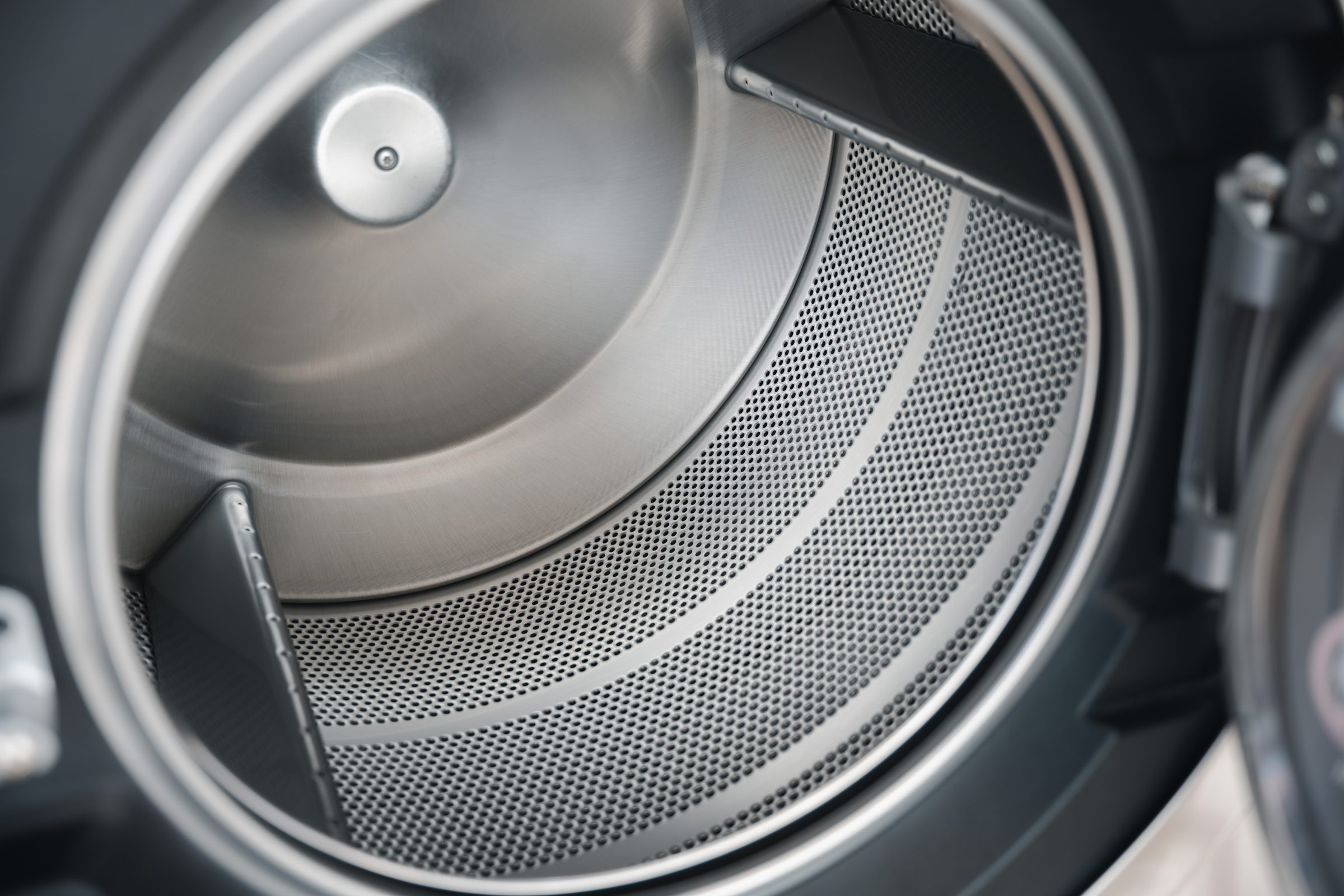
Appliance
KitchenAid dryers
The same situation as the washer next to it, and usually the same laundry room. KitchenAid stopped selling dryers in the United States, and the ones still working here are vented electric and gas machines that people search for by model number to this day. A vented dryer is a simple appliance, which is why so many of these calls end well.
- 5 symptoms we are called out to
- From $95 diagnostic, credited to the repair
- 59 cities and neighborhoods covered
- OEM parts available on order
The short version
What this equipment is, for a repair
Configurations
Electric and gas · Vented · Ensemble front-load · No longer manufactured · Still repaired
Access
Planned before the visit, not discovered on arrival
Parts
OEM, available on order
Diagnostic
From $95, credited to the repair
What goes wrong with it
Symptoms we are called out to on KitchenAid dryers
Each one covers the likely causes in the order they are worth checking, and what to do in five minutes before booking anything.
-
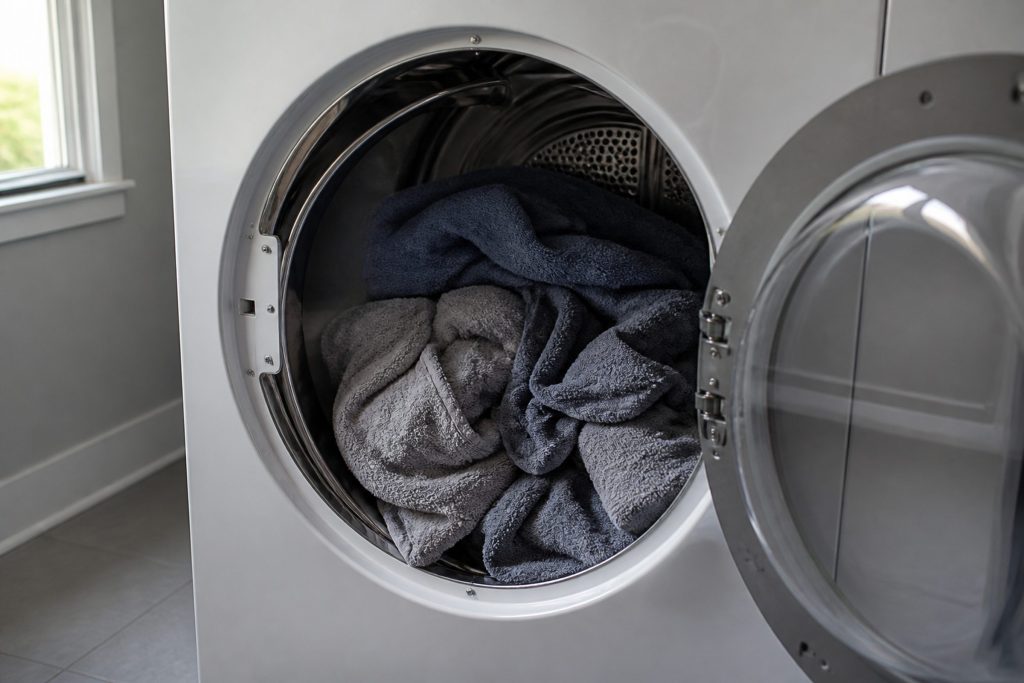
Or takes three cycles to dry The dryer runs and will not heat
A vented dryer is a simple appliance, which is why so many of these calls end well. It is also the appliance where the problem is most often not the appliance at all — it is the duct behind it, and that matters for more than drying time.
- It tumbles and the clothes stay cold and damp
- Two or three cycles to dry one load
- It heats for a while and then stops
-
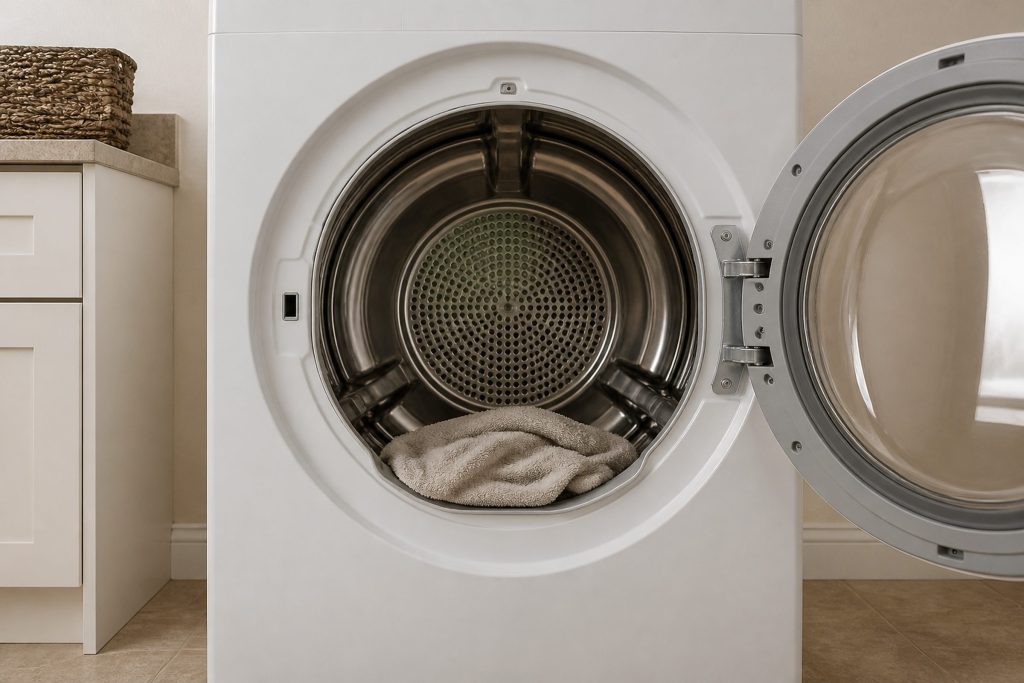
Motor hums, drum still The dryer will not turn or will not start
A drum that will not turn, or a machine that does nothing at all when the button is pressed. On a vented dryer of this age the list is short, mechanical, and mostly made of parts that are still available.
- It hums and the drum does not move
- Nothing at all happens when you press start
- It squealed for months and then stopped
-
Nothing else has changed It has started making a new noise
A new sound is a real signal rather than a nuisance, and it is usually the earliest warning you get. Caught while it is only a noise, most of the causes on this page are small; left until it stops, several of them are not.
- A hum or a buzz that was not there before
- A squeal that comes and goes
- A clicking every few minutes with nothing else wrong
-
No lights, no response The appliance will not turn on at all
Nothing at all is a different problem from a machine that starts and stops, and it has a much shorter list behind it. More than half of that list is outside the appliance, which is why it is worth ten minutes before it is worth a visit.
- A completely dark panel
- It worked yesterday and is dead this morning
- It came back once and then went again
-
What a reset can and cannot do How to reset it
One of the most searched things about this whole make, and one of the most misunderstood. There is no reset button on most of these appliances — what there is is a power cycle, and a set of feature resets that do very specific jobs.
- Looking for a reset button that does not exist
- A filter light that will not go out
- A machine that needs restarting after a storm
What we do on it
Repairs we carry out on KitchenAid dryers
Starting figures for this equipment in South Florida. The exact cost is confirmed after an on-site diagnostic — and this is not the whole list of what can go wrong, so call if your problem is not here.
-
from $95 Diagnostic visit
We read what the appliance is reporting — a code on a display, or the flashes on a dishwasher Clean light — then measure before saying anything about the repair. The fee is credited toward the work when you go ahead.
- The code read on site, including blink codes
- Measured rather than guessed
- Credited toward the repair
-
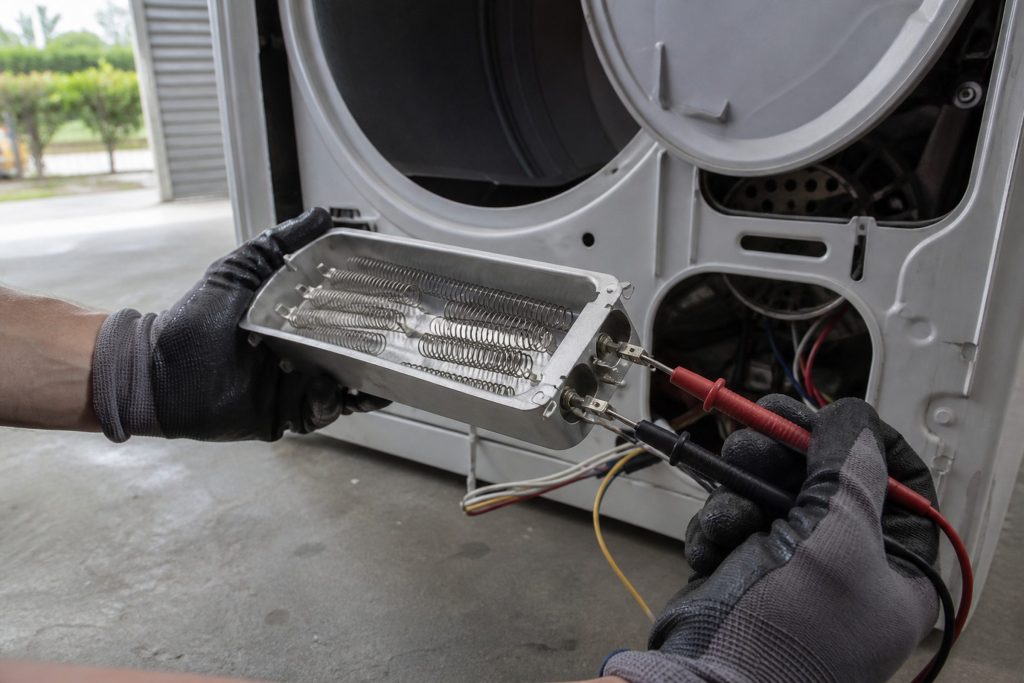
from $165 Dryer heating & airflow repair
A drum that turns with no heat, or a cycle that runs and runs and leaves the clothes damp. One of those is an electrical part and the other is nearly always the vent — and the vent is not the appliance.
- Double breaker checked before any part is discussed
- Element, thermal fuse and thermostats tested as a circuit
- A blown thermal fuse treated as a symptom of the duct
-
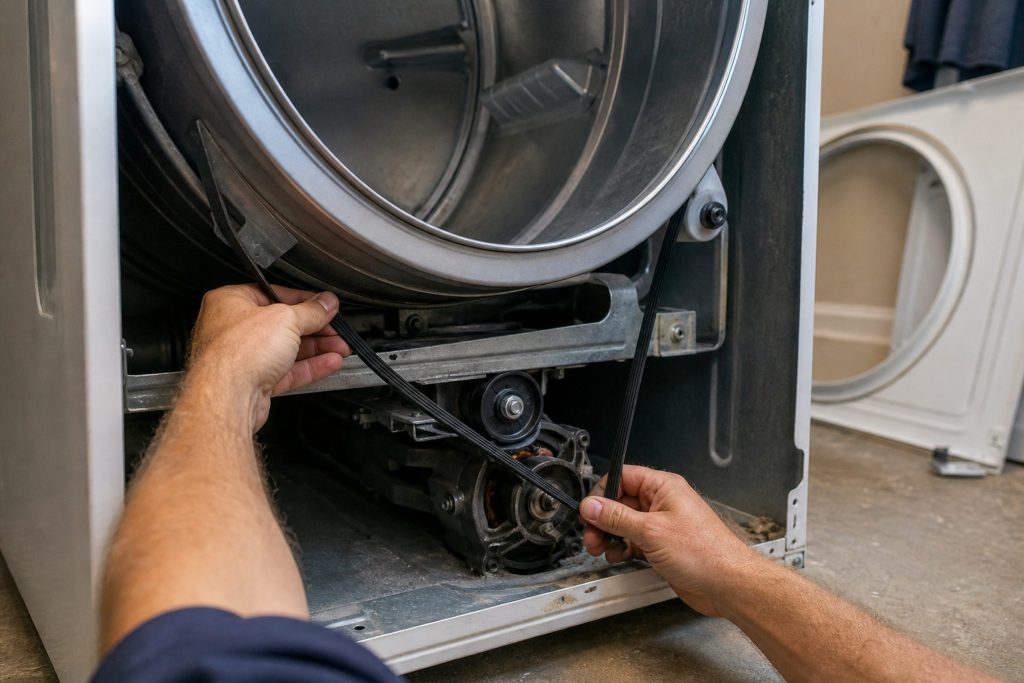
from $185 Dryer drum, belt & roller repair
A squeal, a rumble, or a drum that has stopped turning altogether. Mechanical wear rather than electronics, and on a vented machine it is a sensible repair rather than a reason to replace the appliance.
- Rollers, idler and belt replaced as the set they wear as
- Rear bearing and glides checked with them
- Start switch and door switch ruled out on a machine that will not run
-
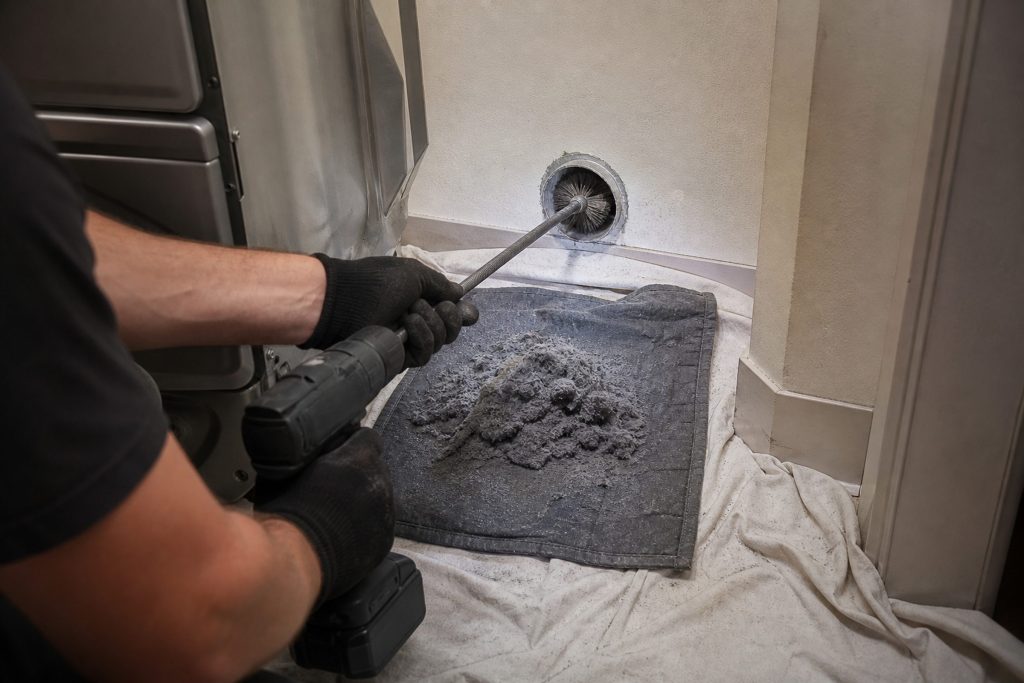
from $135 Dryer vent cleaning service
The whole run cleared, from behind the machine to the flap outside — not just the lint screen. It is the single most useful thing an owner of a vented dryer here can have done, and it is a safety job as much as a performance one.
- The complete duct cleared, not only the first few feet
- The exterior flap checked to open and close
- Airflow measured before and after
-
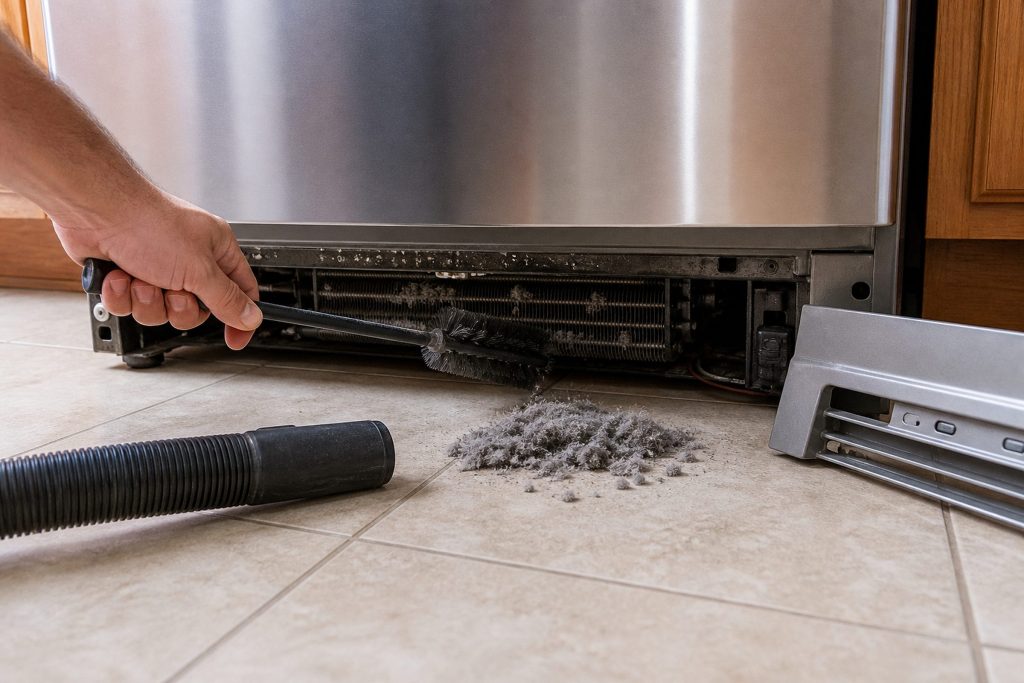
from $165 Appliance maintenance
A planned visit rather than an emergency one: filters, drains, coils, seals and ducts on whichever appliances you want looked at, in one appointment. Most of the expensive repairs on this list are prevented by an hour spent on this.
- Several appliances in one visit rather than one call each
- Filters, drains, coils, seals and ducts
- A written note of anything worth watching
-

from $185 Appliance installation
Fitting a replacement into an opening that was built for something else — leveling, water, drainage, ventilation and the panel front. Most of what goes wrong in the first year of a new appliance is decided on the day it goes in.
- Leveled, sealed and connected, not just pushed into the gap
- Water, drain and ventilation checked rather than assumed
- The old appliance disconnected safely
In more detail
About KitchenAid dryers
What is still out there
Vented electric and gas dryers, front-loading and top-loading, stacked and side by side, in laundry closets and garages across the three counties. Model numbers beginning KEYS and KGYS are the ones people search for most. None of them are current products and all of them are repairable.
What actually goes wrong
- The vent, which is not the appliance and is behind most complaints about drying time.
- Heating: element, gas valve coils or igniter, thermal fuse, cycling thermostat. A thermal fuse that has blown is a symptom of the vent, not a cause.
- The belt, drum rollers and the idler, which is the noise complaint and then the will-not-turn complaint.
- The door switch and the start switch, which is the will-not-start complaint.
- The moisture sensor bars in the drum, which end cycles early when they are coated in softener residue.
Humidity, and why the duct matters more here
A vented dryer works by throwing warm wet air outside. In August that air is competing with air that is already close to saturated, so the duct has less margin than it would anywhere else and fills faster with damp lint that packs rather than blows through. Cleaning the whole run once a year is the single most useful thing an owner of one of these can do.
What to have ready when you call
The full model number from inside the door frame, whether it is gas or electric, and when the duct was last cleaned all the way to the outside.
This article is based on:
- Official manufacturer documentation
- Internal repair procedures
- Technician repair history
- Company quality standards

Before you book
Questions about KitchenAid dryers
It runs but there is no heat.
On an electric dryer, check the breaker first — these run on a double breaker and it is entirely possible for half of it to trip, which leaves the drum turning and the heat gone. That one check has saved a lot of people a service call. If the breaker is sound, it is the element, a thermal fuse or a thermostat, and a blown thermal fuse is nearly always a restricted vent that has not been dealt with.
It takes three cycles to dry a load.
That is the vent until proved otherwise. Lint fills the duct behind the machine, the run through the wall, and the flap outside — and in this climate the air going in is already humid, so a partly blocked duct that would be survivable elsewhere is not here. Clean the whole run, not just the lint screen, and check the flap outside actually opens.
Is a blocked vent actually dangerous?
Yes, and it is the one thing on this page worth treating urgently. A restricted duct traps heat in the machine and lint is the fuel. A dryer that is hot to the touch on the outside, that smells scorched, or that keeps tripping its thermal fuse is telling you about the duct rather than about itself.
Can parts still be found for a machine this old?
Usually yes. These machines shared their platforms with other badges from the same corporate group, so elements, thermostats, thermal fuses, belts, rollers and idlers are commonly still available. Cosmetic parts and consoles are the hard ones.
It squeals or rumbles when it turns.
Drum rollers, the idler pulley or the rear bearing — mechanical wear rather than anything electrical, and on a vented dryer it is a sensible repair rather than a reason to replace the machine. Left alone it eventually becomes a belt, and then the drum does not turn at all.
Where we do it
Across Miami-Dade, Broward, and Palm Beach
Same terms everywhere we go: an on-site diagnostic first, the price agreed in writing, and the exact figure confirmed once we have seen the unit.
Neighborhoods people ask for by name